Organic UGC · Field notes
Organic UGC 101: how to actually crack it
397 posts. 3.1M organic views. About a $2 CPM, all in. Here's what running organic UGC for consumer apps has taught us.
By An Nayal · October 2026
To crack organic UGC, hire creators who look and sound like your customer, only film ideas that pass VSC (Viral, Scalable, Convertible), expect one to two weeks of testing before anything breaks out, then kill, mutate or scale every format based on the data. Judge it on installs and revenue, plus the brand, search and ad-creative value it builds on the side.
Most founders run organic UGC the same way. Find a few creators, pay them for videos, hope one goes viral, then wonder why nothing is consistent.
That's buying lottery tickets.
I took Flamme to 50M+ organic views before it was acquired, and now we run UGC for consumer apps at Agniverse Media. One viral video doesn't move an app. A system that keeps finding winners does. Here's how we build one.
1. Pick creators who fit your ICP, not the biggest ones
Before hooks or scripts, get the creators right. Follower count matters least.
What matters is whether they look and sound like your customer. If you're selling a fitness app to women in their 30s, a 19 year old guy is a weak place to start. Your creator should be someone your buyer trusts, relates to, or wants to become.
We check three things.
- ICP fit. Do they resemble the customer we're trying to win?
- Content fit. Do they already make the kind of video your audience watches?
- Repeatability. Can they post consistently, follow a brief, and change direction when the data says so?
Every creator we hire works from the same creator handbook, so a new face doesn't mean a new process.
On TikTok and Reels the algorithm decides who sees a video, not the follower count. So a creator with 2,000 followers who gets your audience will often beat one with 200,000 who doesn't. You aren't buying their audience. You're hiring someone who can talk to yours. That's also why we're fine running fresh accounts (Fresh UGC).
2. Every idea has to pass VSC
VSC is the filter we run every idea through before anyone films it. Viral, Scalable, Convertible. If it fails one, we don't shoot it.
V - Viral. Will people watch and share it?
Nobody opens TikTok hoping to see an ad for your app. They want a story, a laugh, something relatable, or a fix for a problem. Your hook has to hit one of those.
Instead of "here's an AI app that makes presentations", try "I accidentally sent THIS presentation to my boss." The first is an ad. The second makes you want to know what happened, and the product shows up once the viewer cares.
Scrolled past in a second
Watched to see what happened
We don't guess at this. We start from formats that already broke out, and we check that the reference video is a real outlier. It needs to be around 10x the account's usual views, not a big account posting a normal video. The full VSC breakdown covers how we score that.
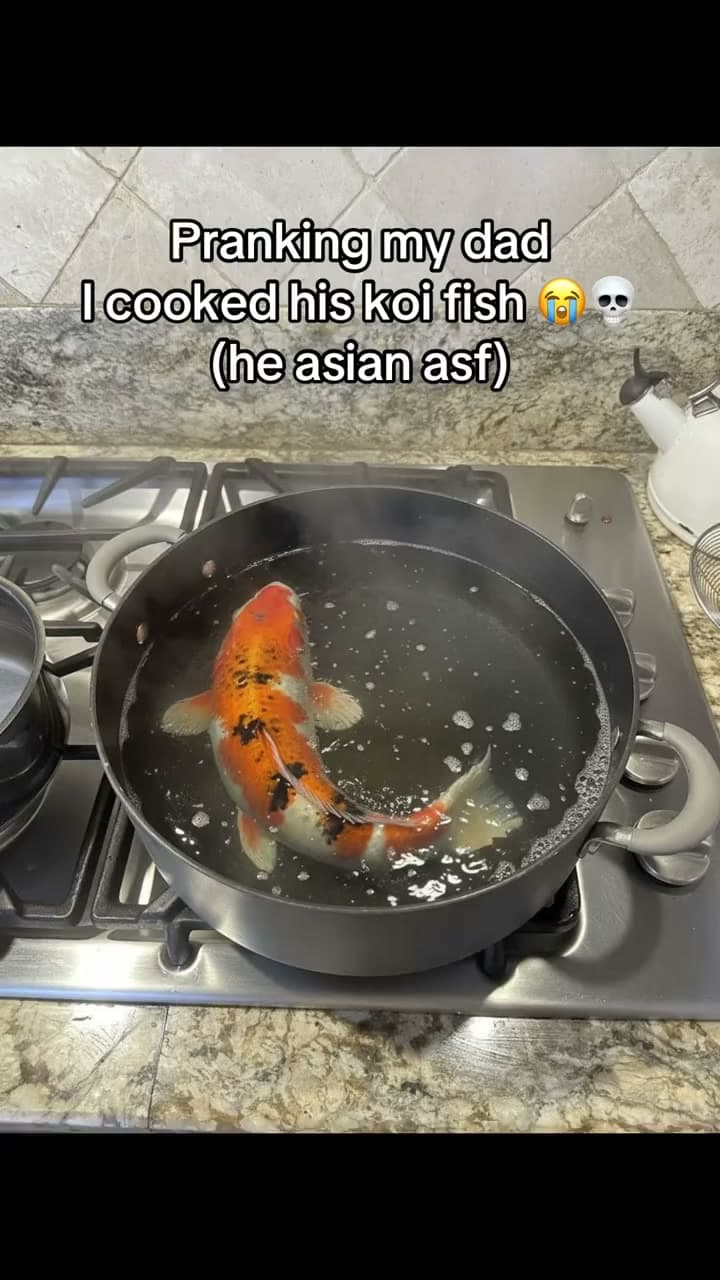 16,494xHalo AI app demo
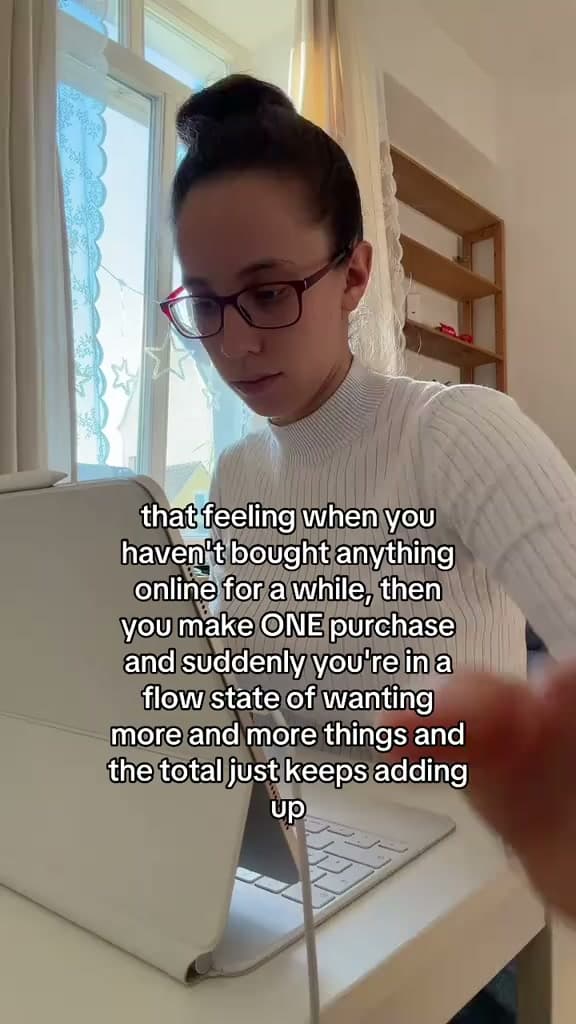 12,403xBudget tracker overspending hook
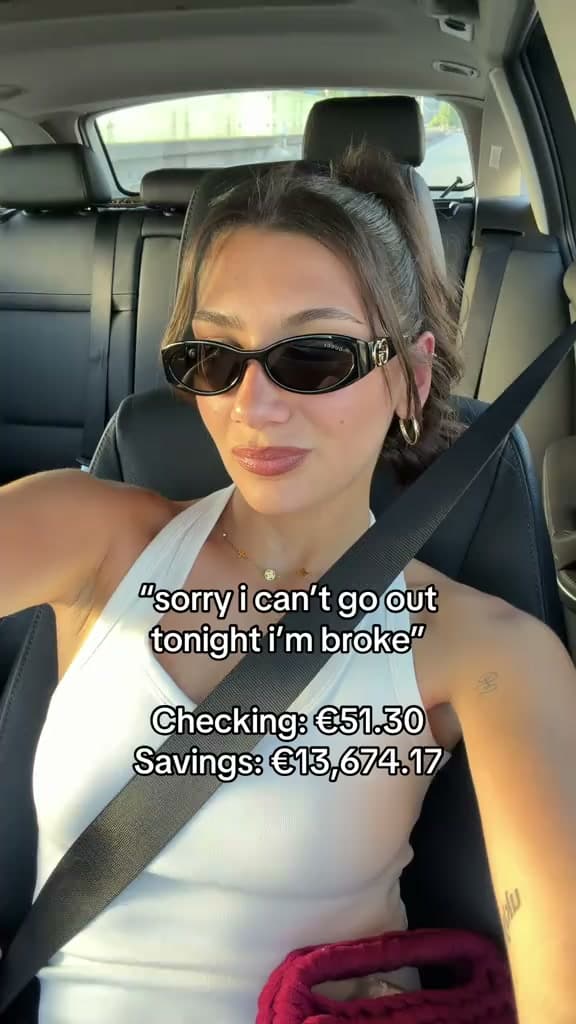 3,448xPersonal finance POV hook
 1,513xAI photo editing talking head
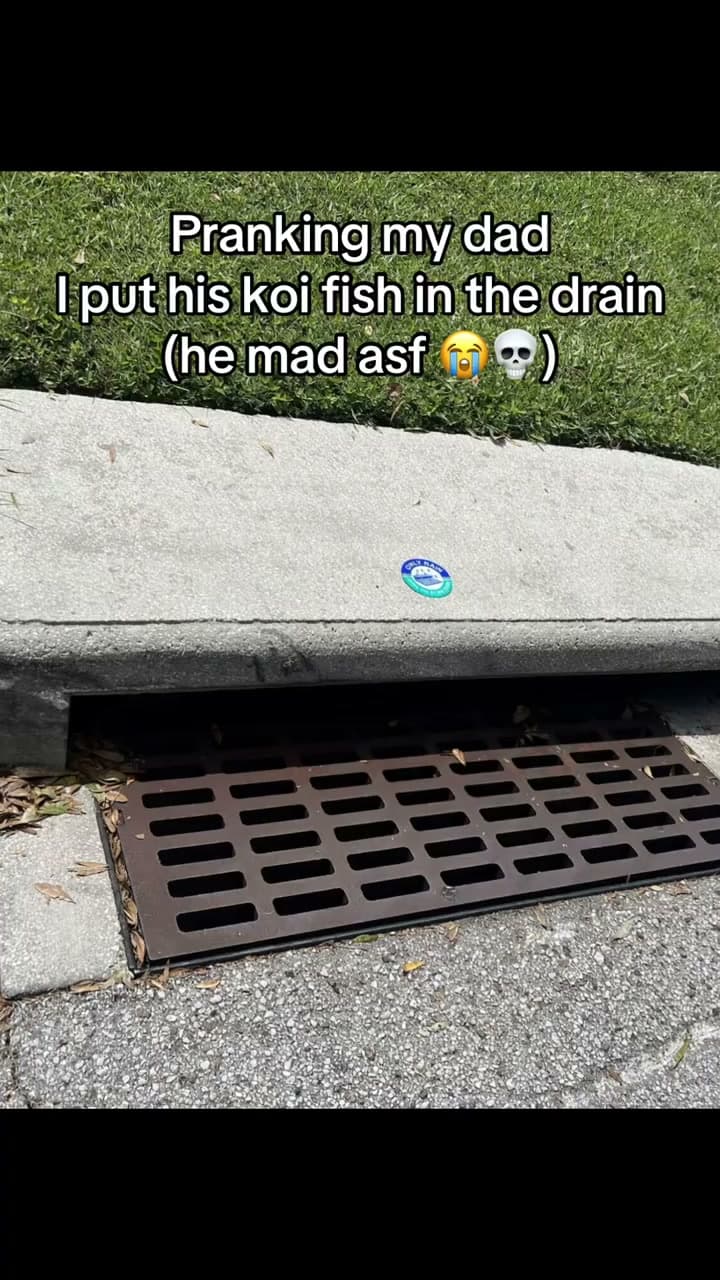 1,026xAI video prank, text-heavy
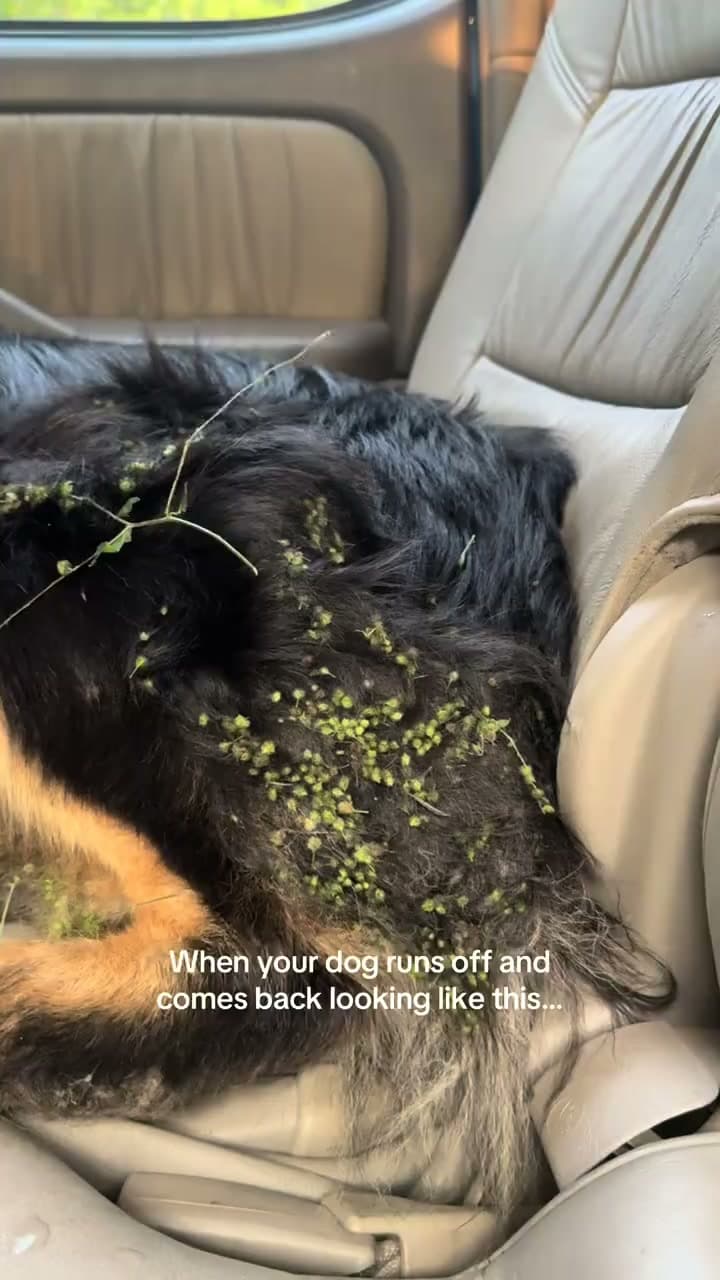 976xDog training problem-solution
S - Scalable. Can you make 30 of these?
One viral video is a lucky night. A street interview that hits 5M views is great, but can you do it again? Can five other creators run it? Can you make 30 versions before people get bored of it?
We break a winning format into parts we can swap out.
Once a format works, we test new hooks, creators and storylines on the same structure instead of starting over every time. Phone call videos are a good example. One setup, a new script every day.
C - Convertible. Will the right people want the app?
10M views with no reason to download is worth nothing. The video needs a clear line from what the viewer is enjoying to what your app does.
Back to the presentation example. The embarrassing slide gets the views. The format only pays when the app is part of the story, so viewers get what it does without feeling sold to. Read the comments. "what app is this" is a buyer. Laughing at the sound is not.
For apps the goal isn't the click. It's someone who installs knowing what they're getting, so they activate, subscribe and stay.
3. The first weeks are testing, not scaling
This is the live dashboard from one of our current client campaigns.
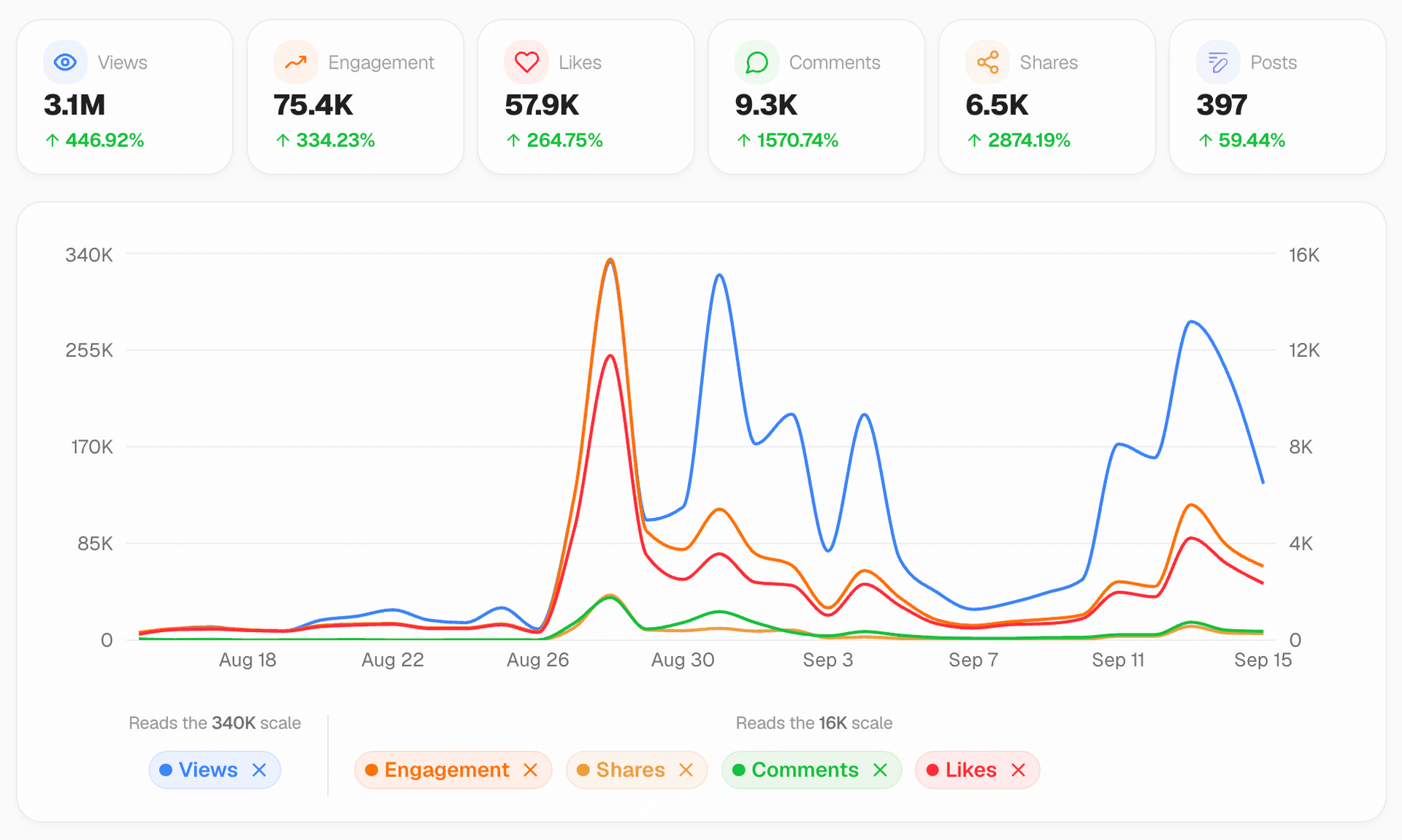
Look at the first ten days. Flat. We were testing angles, hooks, formats and creators. Most went nowhere. That's normal, and it's where most brands give up.
Then one format clicked. On Aug 27 the curve went vertical, and September brought a second wave.
Look at the dips too. Finding winners doesn't buy you steady reach. The algorithm moves on and so do viewers, so you keep testing.
Our loop is test, read the data, then kill, mutate or scale, and repeat. If an idea dies, we either drop it or change one thing and run it again. If it works, we figure out why. Was it the hook, the creator, the format or the story? Then we check whether that holds across new versions.
4. The numbers
- 3.1M
- organic views
- 397
- posts in 31 days
- ~$2
- CPM, all in
- 57.9K
- likes
- 9.3K
- comments
- 6.5K
- shares
All 397 posts went up between Aug 16 and Sep 15. The $2 CPM is all in, creators and editing included.
Cheap views were never the goal. The goal was to find formats that keep earning reach with the right audience, and those learnings carry into the next campaign. For what's normal, see our UGC benchmarks and what app UGC costs.
5. What you get on top of direct installs
Most founders judge UGC on installs alone. Installs matter, but they're only part of it.
Brand
Ads work. Ads plus organic works better. Organic puts you in the feed again and again without paying for each impression.
SEO for social
People search TikTok and Instagram like they search Google, so we try to rank for as many keywords as we can. For one of our B2B prosumer products, search "lead generation" or "outreach" on TikTok and we're everywhere. Dozens of creators posting about one problem means dozens of ways in, and those videos keep pulling views months later. Ads stop when the budget does. We do the same for AI answers with GEO.
Real traffic
Most viewers don't tap the link in bio. They search your name on Google or the App Store. When a TikTok goes viral, we see the spike in Search Console. So we track branded search, site traffic and App Store activity next to the platform numbers (how we measure).
A different audience
Organic reaches people your paid campaigns miss. For B2B prosumer products that's a younger crowd that decides faster. The point is still the right audience, not just more of it.
An ad pipeline
Every organic post is a cheap creative test. When a hook keeps winning organically, it goes to paid next, with a creator who already knows how to sell the app. You still check the economics in paid, but you don't start from zero. More on that in how to run UGC ads for your app, and on when to use AI UGC vs real creators.
6. The metrics that matter
We read organic UGC in three layers.
Views, watch time, completion, shares, CPM
Profile visits, search lift, site visits, App Store activity, product comments
Installs, activated users, paying customers, CAC, retention, LTV
You need all three. A million views from the wrong people loses to 100K from your ICP. This is how we measure each layer for clients.
The short version
- Pick creators who fit your ICP.
- Only shoot ideas that pass VSC.
- Test lots of hooks, angles and formats.
- Kill what flops, mutate what's close, scale what repeats.
- Measure installs and revenue, not just views.
Then do it again next week. The reach compounds, and so does everything you learn about your customer along the way.
That's how we run it at Agniverse Media. Comparing options? Here are the best organic TikTok agencies for apps.
Frequently asked questions
What is organic UGC?
How long does organic UGC take to work?
How many posts do you need?
What is the VSC framework?
What CPM should organic UGC hit?
Is organic UGC better than UGC ads?
Related guides
Want us to run it for your app?
Agniverse Media runs this loop for consumer apps: ICP creators, VSC-checked ideas, constant testing and a weekly report.