UGC for edtech apps · Field guide
Best UGC agencies for edtech apps
A buyer's guide for edtech and education app founders and growth leads choosing a UGC or creator partner - ranked by the job you are hiring for, not by a rigged one-to-ten. Every claim is checked against each agency's own site.
Last updated September 2026 · Bylined Agniverse Media
Disclosure: Agniverse Media, one of the agencies below, publishes this page. We rank by use case, not by who paid or who wrote it, and we say plainly where someone else fits your app better. Every fact is checked against each agency's own site. If it is not verifiable, it is not here.
 Coding app (Replit)
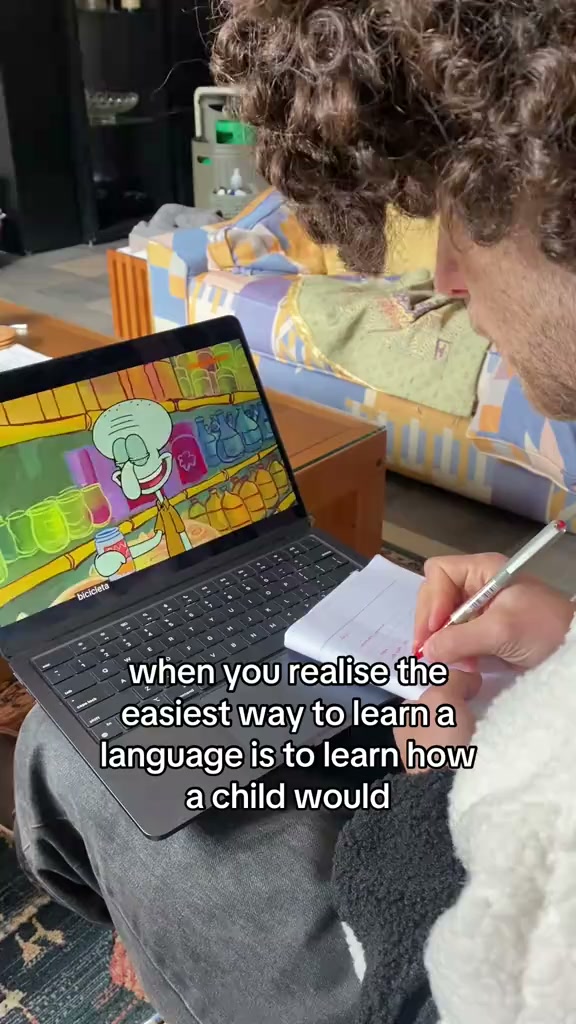 Language learning app
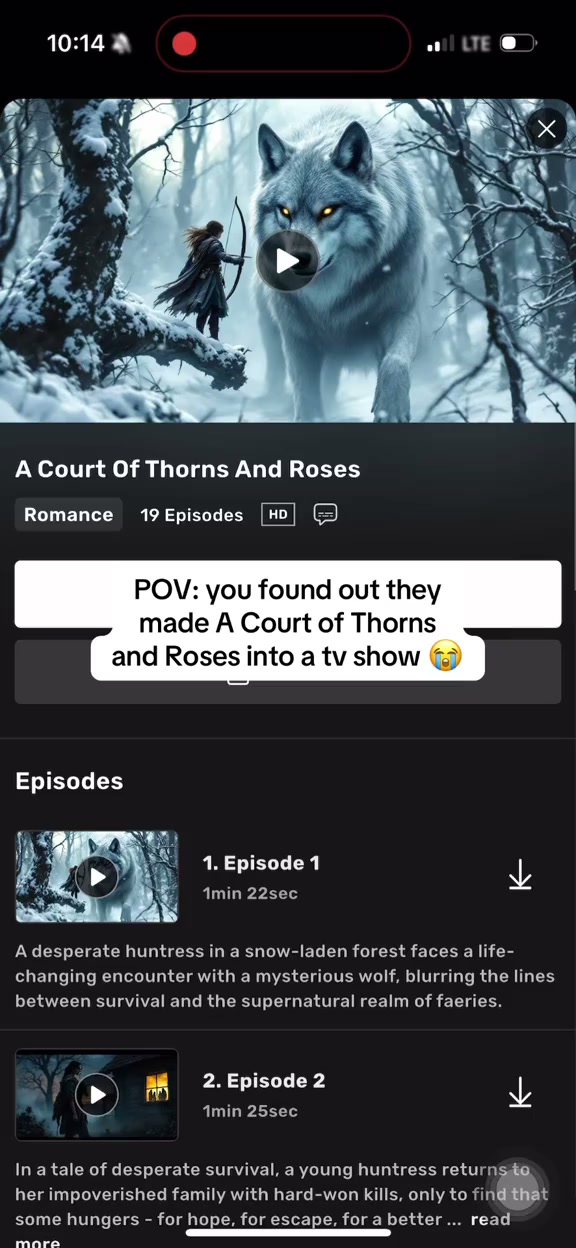 Reading app
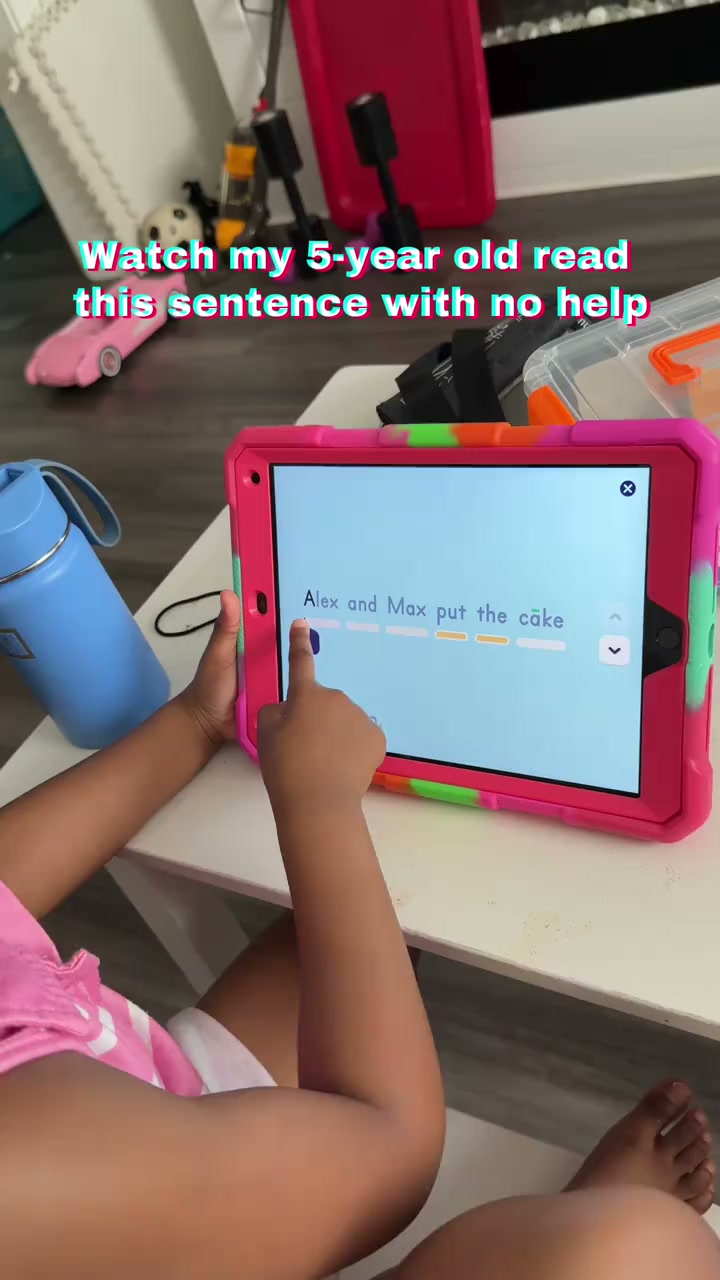 Kids phonics app
 Math solver app
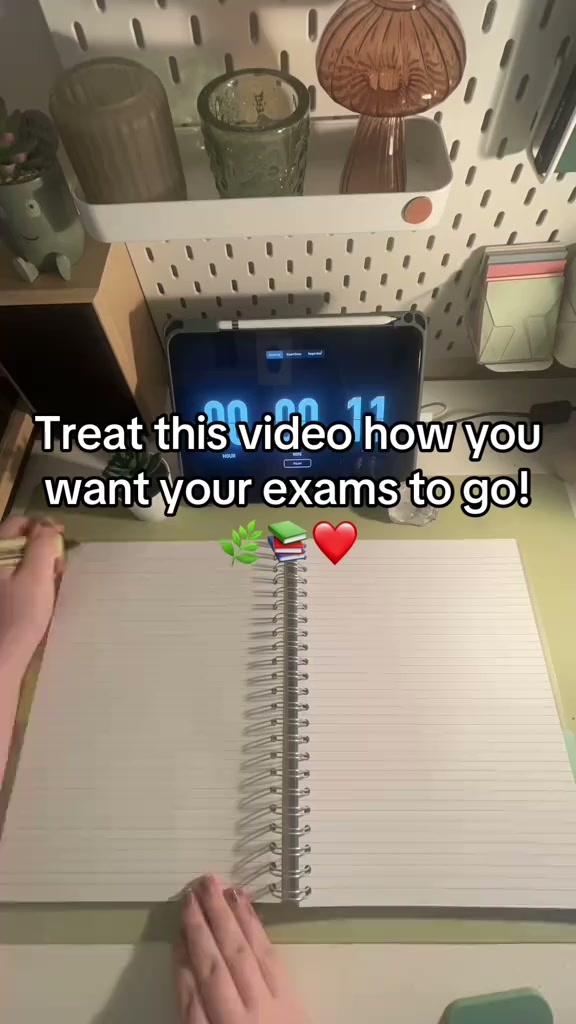 Test prep app
 AI flashcard app
 Study flashcards
 Coding tutorials app
 AI study app
 GCSE study app
 Duolingo language appCoding app (Replit)Language learning appReading appKids phonics appMath solver appTest prep appAI flashcard appStudy flashcardsCoding tutorials appAI study appGCSE study appDuolingo language app
Why edtech-app UGC is its own sport
Most app UGC sells a result behind an install. Edtech UGC sells a future skill you cannot see yet - fluency, a passed exam, a thing you could not do before - to people who have started and quit a learning app before. And its whole game is getting someone to come back tomorrow. That changes the job, and it is why a generic UGC shop tends to underdeliver for a learning app:
It sells a skill you cannot see yet
Edtech UGC works when it shows the outcome - the fluency, the aced test, the 'I finally get it', the streak - not a tour of the lesson screen. The best of it is a real learner showing progress, the way they would tell a friend.
Belief is the barrier
Everyone has downloaded a language app and quit by week two. The barrier is believing that this time it will stick. Authentic creator proof - real streaks, real progress - is what earns the install, more than any feature list.
The whole game is coming back tomorrow
Learning is the hardest retention problem there is: a daily habit that fights procrastination. A download that never becomes a daily session is wasted spend. The question for any agency: are you optimizing installs, or the streak?
It is audience-specific - students, parents, self-improvers
Who you cast changes everything - a study creator for a flashcard app, a parent for a kids-learning app, a polyglot for a language app. The winning play matches the creator to the learner, not one broad hero video.
How to choose a UGC agency for your edtech app
First, decide the lever you are hiring: UGC-ad production to feed paid, influencer campaigns to build trust and reach, or a creator platform to source at scale. This list is grouped that way. Then match to your audience - students, parents, or self-improvers - and your stage. And the honest filter, which matters more in edtech than most categories: does the agency have named education app case studies with real numbers (installs, trials, enrollments, retention), or one education logo behind unrelated work? Be strict about teardowns - several agencies publish 'strategy breakdowns' of famous learning apps that are analysis, not proof they were ever hired.
What to look for in an edtech UGC partner
- Named education app case studies with numbers - installs, trials, enrollments, retention - not one education logo among unrelated work.
- Watch for teardowns: a 'strategy breakdown' of Duolingo or Quizlet is analysis, not proof they were hired.
- Creative that shows learning outcomes and streaks, not a tour of the lesson screen.
- Creators matched to your learner - students, parents, or self-improvers.
- Measured on retention and the daily streak, not raw installs or views.
- Honest about fit - a good partner tells you when another shop suits your app better.
The edtech-app UGC agencies, compared
Grouped by the job you are hiring for. Scroll the table sideways on mobile, or read the honest cards below it.
| Agency | Best for | Model | Vertical focus | Typical entry point | The one differentiator |
|---|---|---|---|---|---|
 Agniverse MediaUs Agniverse MediaUs | Learning apps that need users who keep the streak, not just install | RetainerRetainer, from $10k/mo | Consumer apps, organic-first | Charter application, founder-direct | Operator-run; optimizes for retained, habit-forming users - the streak problem every learning app faces |
 Playkit Playkit | Study and learning apps that want done-for-you UGC at volume | RetainerUGC production, 3-month minimum | Consumer apps, edtech-heavy | Book a call (3-month commitment) | Quizlet and Airlearn in its book; a dedicated full-time "UGC engineer" per campaign |
 Plutus Media Plutus Media | Learning apps that want a done-for-you team of creator 'actors' | RetainerUGC production, done-for-you | Consumer apps, 250+ clients | Application (subject to approval) | Named edtech clients on-site (TurboLearn, Stimuler); a managed team of 'actors', not influencers |
 Vo Creations Vo Creations | Learning apps that want an in-house creator program built for them | RetainerUGC production, in-house program | B2C and consumer apps | Qualification call, not every brand is a fit | Codedex (coding education) at 10M+ views in two months; a built-for-you creator bench |
 Digital Voices Digital Voices | Learning apps that want award-winning influencer campaigns | ProjectInfluencer, project-based | Consumer apps and education | Book a call (custom) | Ran Duolingo's award-winning campaign (Gold, Influencer Marketing Awards) |
 Famesters Famesters | Learning apps that want influencer campaigns tuned to education | ProjectInfluencer, campaign-based | Edtech and learning apps | Contact for a plan (custom) | Ran Babbel; a dedicated edtech vertical tracking installs, trials and enrollments |
 Social Native Social Native | Learning apps that want AI-matched creators at scale | MarketplaceCreator platform + managed | Apps and brands, AI-predictive | Request a demo (custom) | Ran ABCmouse (2.3X lower CPA); AI-predictive creator-content matching |
 Handler Handler | Teams that want to make learning-app UGC themselves, for free | SoftwareFree software | DIY, all app categories | Free, no signup | Free UGC hook and script generators, plus a searchable library of viral app UGC |
The shortlist
Four to start with - the operators and UGC shops with real edtech clients, each winning a different lane.
Agniverse MediaUs
RetainerBest for: Learning apps that need users who keep the streak, not just install
Built by an operator, for operators - and we will be straight about the fit. Founder An Nayal ran the full loop himself: he built Flamme (a consumer app), scaled it to 50M+ organic views on zero paid spend, and exited (acquired by Arya). Our exits are in consumer social and AI, not education specifically. What carries over is the hardest retention problem there is, and the one edtech lives on: the streak, the daily habit, the 'I actually kept learning' - not a download that quits by day three. Best if you want senior, organic, retention-first work from people who have shipped an app themselves. If you need a large influencer roster or paid-media scale, the specialists below do that better, and we will point you to them.
Playkit
RetainerBest for: Study and learning apps that want done-for-you UGC at volume
A UGC-production agency for consumer apps whose signature is a dedicated full-time "UGC engineer" on each campaign, run on a 3-month minimum commitment rather than month-to-month. Its edtech work is real and named: Quizlet (flashcards and study) at 19M+ views, and Airlearn (language learning) at 30M+ views. Best if you want a hands-off, done-for-you UGC pipeline for a study or learning app.
Plutus Media
RetainerBest for: Learning apps that want a done-for-you team of creator 'actors'
An app-focused UGC agency, run by Alexandre Olim and reporting 250+ clients, whose model is a managed team of "actors" rather than rented influencers. Its edtech clients are named on-site with founder testimonials: TurboLearn (an AI study tool) and AirLearn (language learning), plus Stimuler, an AI English-speaking and IELTS app, and a Brainly logo. Done-for-you, entry by application. Best if you want a repeatable, hands-off content engine for a learning app.
Vo Creations
RetainerBest for: Learning apps that want an in-house creator program built for them
A UGC shop that builds you an in-house creator program - a dedicated manager, weekly testing - rather than renting influencers, with every creator completing a two-week paid trial before they touch your account. Its edtech work: Codedex, a coding-education app, at 10M+ views in two months. No public pricing; it opens with a qualification call, and it says plainly that not every brand is a fit. Best if you want a vetted, built-for-you creator bench for a learning app.
The wider field
Two influencer agencies with big edtech names, an AI creator platform, and our free DIY tool - each a different model, with the caveats where they matter.
Digital Voices
ProjectBest for: Learning apps that want award-winning influencer campaigns
A creator-marketing agency (now part of PMG) with the biggest name in edtech in its book: Duolingo. Its Duolingo campaign, taking the brand beyond TikTok to UK Gen Z on YouTube with macro creators, hit 3M+ views and won Gold for Best Brand Engagement at the Influencer Marketing Awards. Its "Chord" data platform picks creators on performance signals rather than follower count. Best if you want proven, blue-chip influencer campaigns for a learning app.
Famesters
ProjectBest for: Learning apps that want influencer campaigns tuned to education
An influencer-marketing agency with a dedicated edtech and learning-apps practice - it says it tracks installs, trial activations and enrollments rather than vanity metrics. Its named edtech client is Babbel (language learning): it sourced 50+ influencers and ran a lifetime-subscription promo, helping Babbel grow paid subscriptions in Tier-1 markets. It reports an average $7 returned per $1 spent across its work. Best if you want influencer campaigns matched to a learning app's funnel.
Social Native
MarketplaceBest for: Learning apps that want AI-matched creators at scale
A creator-marketing platform with a managed layer that uses AI trained on past campaign outcomes to match creators to content likely to perform. Its edtech case study is ABCmouse, the kids-learning app: a 2.3X lower cost per acquisition, with 20 influencers activated. It reports 1.8M+ creator collaborations and $8B+ in paid media operationalized. Best if you want AI-matched creator content at scale, sourcing plus a managed hand.
Handler
SoftwareBest for: Teams that want to make learning-app UGC themselves, for free
A free tool for making learning-app UGC yourself. Handler gives you UGC hook generators, script helpers and a searchable library of real viral app UGC, with no signup. It is the DIY software layer: use it to see what is working and draft your own creator briefs before you hire anyone. Best if you want to test edtech UGC yourself before bringing in an agency.
The key UGC and edtech-growth terms, in plain English
- UGC (user-generated content)
- Content shot in the natural, native style of a real person rather than a polished brand ad. For edtech it usually means short-form creator video for TikTok, Reels and Shorts.
- The streak (habit loop)
- The daily-return mechanic - Duolingo's whole gimmick - that decides whether a learner sticks. For edtech it is the retention lever, and good UGC is measured on it, not on the install.
- CPI (cost per install)
- What you pay, on average, for one app install. UGC-style creative usually lowers CPI because it looks like content, not an ad.
- Trial activation and enrollment
- The steps past install that actually matter for a learning app - starting a trial, enrolling, completing the first lesson. A truer measure of a campaign than downloads.
- Retention (D1 / D7 / D30)
- The share of learners still active 1, 7 and 30 days after install. For edtech it is the hardest retention there is, because learning fights procrastination every day.
- Teardown vs case study
- A 'strategy breakdown' of a famous app like Duolingo is third-party analysis, not proof an agency was hired. Ask for named clients with results, not teardowns - the distinction matters a lot in this niche.
How this list is built
Agencies are grouped by the job they are best at, not stacked one-to-ten, because the right partner for a kids-learning app is not the right one for a language app scaling paid. Every factual claim - model, focus, entry point, standout numbers - is checked against the agency's own website or public record. Edtech is a narrow niche for UGC shops, and it is full of 'strategy breakdown' content, so we were strict: an agency had to name an actual education app client on its own site, not just publish a teardown of a famous one. Where a figure could not be verified, it was left out. We also left off strong general agencies whose only education 'evidence' was a teardown or a bare logo.
Disclosure, again and plainly: Agniverse Media publishes this page and is one of the entries on it - listed honestly, as a consumer-app operator whose retention and habit focus carries to learning apps, not as an edtech-native shop. We rank by use case, and we point you to a better-fit name (Playkit or Plutus Media for done-for-you UGC, Digital Voices for influencer reach) wherever one of them suits your app more than we do.
Frequently asked questions
What makes UGC for edtech apps different from other UGC?
How much do UGC agencies for edtech apps cost?
Which UGC agency is best for an edtech app?
UGC production, influencer, or a creator platform - which does my edtech app need?
What should an edtech app look for in a UGC agency?
Do edtech apps even need a UGC agency, or can we run it in-house?
Why do learning apps struggle to retain users after install?
Why is Agniverse Media on a list it publishes?
Related guides and tools

Building a learning app and want retention-first, organic UGC?
Agniverse Media is operator-run - the founder built, scaled and exited his own consumer app on organic alone. Apply through the short charter. If your app needs influencer reach or a creator platform instead, we will point you to a better-fit name on this list - honestly.
Bylined Agniverse Media, part of Agniverse - the growth universe for consumer apps. Facts checked against each agency's own site as of September 2026. Found something out of date? Tell us and we will fix it.