UGC for consumer apps · Field guide
Best UGC agencies for consumer apps
A buyer's guide for founders and growth leads choosing a UGC partner for a mobile app - ranked by the job you are hiring for, not by a rigged one-to-ten. Every claim is checked against each agency's own site.
Last updated September 2026 · Bylined Agniverse Media
Disclosure: Agniverse Media, one of the agencies below, publishes this page. We rank by use case, not by who paid or who wrote it, and we say plainly where someone else fits your app better. Every fact is checked against each agency's own site. If it is not verifiable, it is not here.
 Halo AI - app demo
 AI photo editor
 PicsArt AI Playground
 AI video generator
 AI image generator
 Digital well-being
 AI video creation
 At-home workouts
 Personal finance
 Bible study app
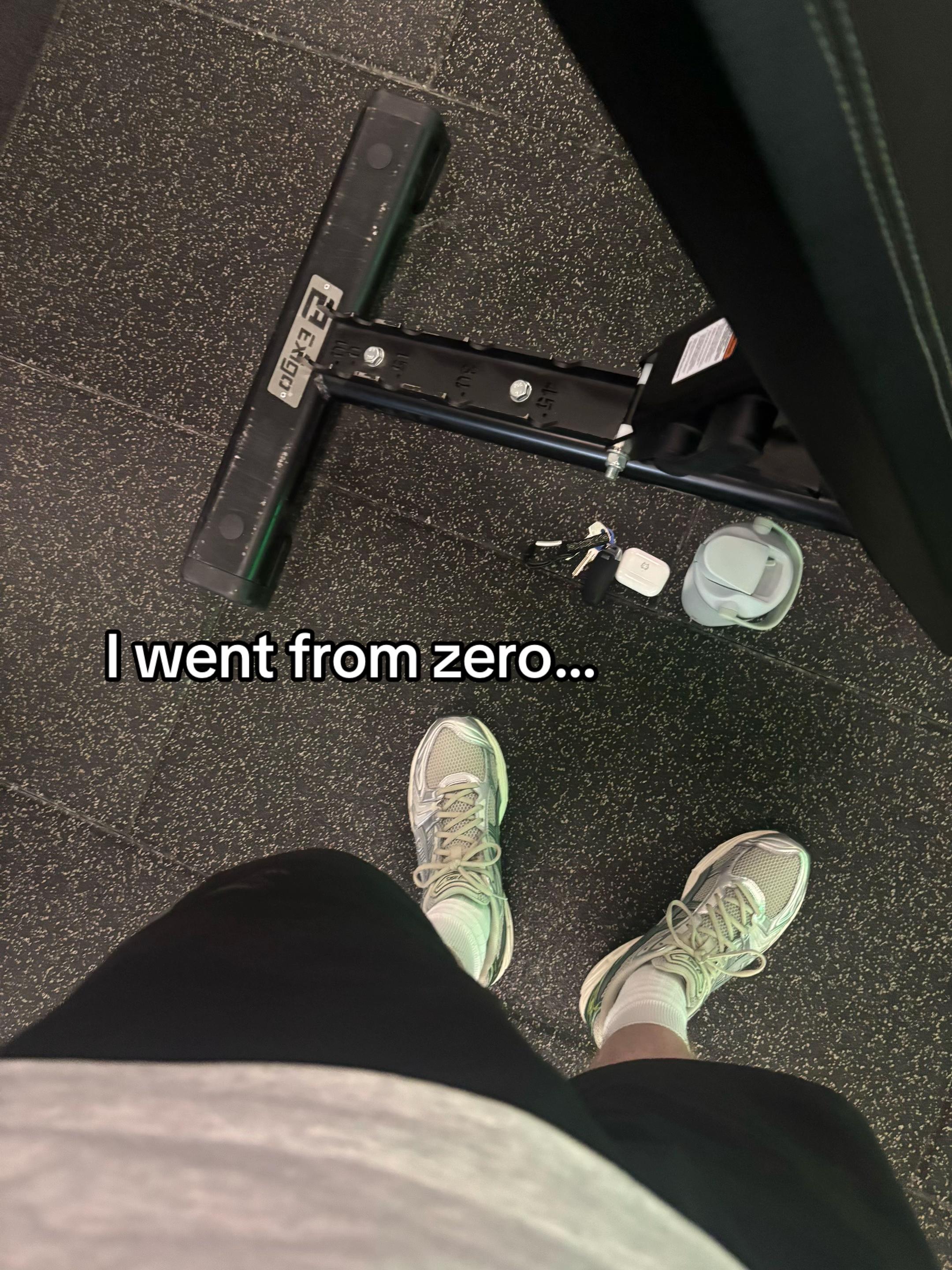 Workout tracker
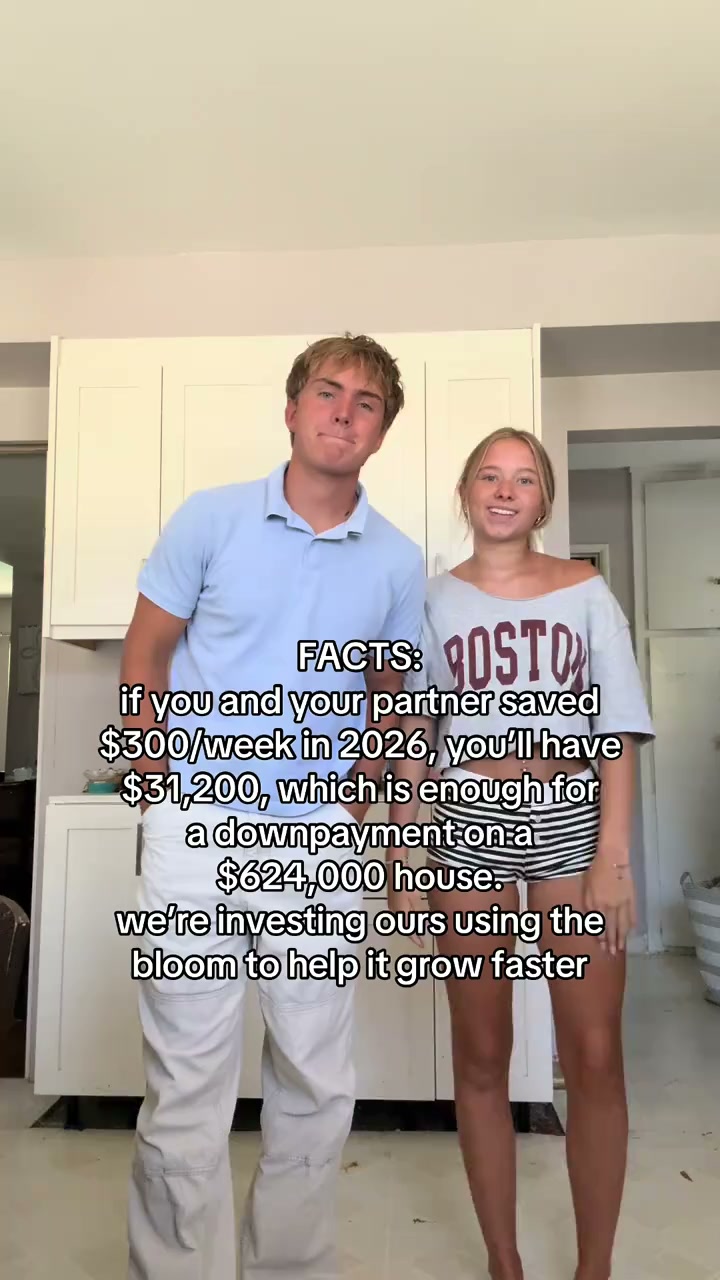 Micro-investingHalo AI - app demoAI photo editorPicsArt AI PlaygroundAI video generatorAI image generatorDigital well-beingAI video creationAt-home workoutsPersonal financeBible study appWorkout trackerMicro-investing
Why app UGC is its own sport
E-commerce UGC sells a product you can hold up to the camera. App UGC sells something the viewer cannot touch and has not installed yet. That changes the whole job, and it is why a generic UGC shop tends to underdeliver for an app:
The creative is screen-first
Screen recordings, in-app demos, and 'here is the exact moment it clicked for me' - not a product held to the light. The best app UGC teaches the app in three seconds.
You are fighting install friction, not add-to-cart
The viewer has to be convinced enough to leave the feed, hit the store, download, open, and reach the value. Most e-commerce UGC never has to clear that bar.
The real question is not views, it is views that work
A million views that do not turn into installs that retain past D30 cost you money. The one question to put to any UGC agency: are you selling me views, or views that work?
Hooks fatigue fast, so it is a volume-and-iteration game
Angles, then hooks, then scripts, then creators - tested and killed on a cadence, not one hero video.
How to choose a UGC agency for your app
Match the model to your stage: pre-launch or scaling, organic or paid, own the pipeline or rent it, retainer or project or self-serve marketplace. One pattern worth noticing across the field below - the partners that genuinely get app UGC tend to be operator-run, built by people who have shipped and grown an app themselves, not media buyers who added UGC to a menu. And the filter most lists skip: does this agency actually know apps, or is it an e-commerce shop moonlighting?
What to look for in an app UGC partner
- App-native, not e-commerce-first. Ask for app case studies, not DTC ones.
- Measured on retention or installs, not on view counts they can screenshot.
- A testing system - angles, hooks, scripts - not a promise of 500 videos.
- Senior people on your account, or a clear productized process if not.
- A model that fits your stage: retainer for always-on, project for a burst, marketplace to self-serve.
- Honest about fit - a good partner will tell you when you are better off elsewhere.
The UGC agencies, compared
Grouped by the job you are hiring for. Scroll the table sideways on mobile, or read the honest cards below it.
| Agency | Best for | Model | Vertical focus | Typical entry point | The one differentiator |
|---|---|---|---|---|---|
 Agniverse MediaUs Agniverse MediaUs | Apps that need views that work, not just views | RetainerRetainer, from $10k/mo | Consumer apps, organic-first | Charter application, founder-direct | Operator-run by a founder who built and exited a consumer app; optimizes for retained users, not view counts |
 Plutus Media Plutus Media | Apps that want a done-for-you pipeline they own | RetainerRetainer, done-for-you | Consumer apps (250+ clients) | 30-minute strategy call | "Full ownership, no dependency" - you keep the content engine, not rented creators |
 Hard Launch Hard Launch | AI-app founders who want a proven playbook, or to automate it | HybridApplication agency + self-serve AI engine | AI and consumer apps | Apply, or self-serve from $999/mo | Built by the operator who scaled Jenni AI; run it with humans or automate it |
 Playkit Playkit | Funded apps that want premium white-glove and blue-chip proof | RetainerRetainer, month-to-month | Consumer apps, funded | Book a call | A dedicated full-time "UGC engineer" assigned to each campaign |
 Moburst Moburst | Apps that need full-stack growth, with UGC as one piece | RetainerRetainer, full-service | Mobile apps, enterprise | Book a call | Full-service app-growth agency (ASO, media, dev), not UGC-only |
 inBeat inBeat | Apps that want influencer and UGC handled together | ProjectProject or retainer | Apps and DTC (broad) | Book a call | Hand-picked micro-influencer matching at scale |
 miniSocial miniSocial | DTC brands wanting bundled UGC (not app-native) | ProjectProject, from $3k / 10 creators | E-commerce and DTC | Self-serve project | Flat-price, fully-managed micro-influencer bundles |
 SideShift SideShift | Teams that want to self-serve app UGC without an agency | MarketplaceMarketplace, from $199/mo (free trial) | Apps and tech-first | Free trial signup | App-first creator marketplace, 1M+ creators |
 Handler Handler | Teams that want to make app UGC themselves, for free | SoftwareFree software | DIY, all app categories | Free, no signup | Free UGC hook and script generators, plus a searchable library of viral app UGC |
The app-native operators
The four built for consumer apps, each winning a different lane.
Agniverse Media
RetainerBest for: Apps that need views that work, not just views
Built by an operator, for operators. Founder An Nayal ran the full loop himself - he built Flamme (acquired by Arya), scaled it to 50M+ organic views on zero paid spend, and exited - and now runs that same playbook for other consumer-app founders. The wedge, in one line: most agencies sell you views, this one sells views that work - installs that retain. Because it is run by someone who has had to make installs stick, the work is measured on retained users and D30, not view counts. Best if you want senior, organic, retention-first work from people who have shipped an app themselves. Not the fit if you need a large paid-media team or same-week volume.
Plutus Media
RetainerBest for: Apps that want a done-for-you pipeline they own
An app-focused UGC agency, run by Alexandre Olim, that reports 250+ clients. Its differentiator is ownership: "full ownership, no dependency" - you end up with a content engine you keep, rather than a roster of influencers you rent. A done-for-you retainer; entry is a 30-minute strategy call, with pricing scoped from there. Best if you want breadth and a repeatable pipeline handed to you.
Hard Launch
HybridBest for: AI-app founders who want a proven playbook, or to automate it
Built by Matt Gittleson, the operator who scaled Jenni AI, Hard Launch runs two things: a selective, application-only human-creator agency, and a self-serve "AI Content Engine" priced $999 to $9,999 a month. It reports 1B+ views shipped across its work. Best if you are an AI or consumer app that wants a proven playbook, with the option to either have it run for you or bring the automation in-house.
Playkit
RetainerBest for: Funded apps that want premium white-glove and blue-chip proof
A premium, month-to-month program whose signature is a dedicated full-time "UGC engineer" assigned to each campaign. Its published roster skews recognizable - Quizlet, Flo Health, Cash App and Substack among the names it shows. Best if you are funded, want a hands-off premium program, and value working alongside established app names.
The wider field
Bigger shops, a DTC option, and a self-serve marketplace - listed honestly, with the caveats where they matter.
Moburst
RetainerBest for: Apps that need full-stack growth, with UGC as one piece
A full-service mobile-growth agency - ASO, paid media, creative, even app development - with an enterprise client base. A fair-read heads-up: UGC is one line item here, not the whole business. So this is the pick when you want an all-in-one growth partner rather than a dedicated UGC shop.
Heads-upUGC is one service among many here, not the specialty.
inBeat
ProjectBest for: Apps that want influencer and UGC handled together
An influencer-marketing agency that pairs hand-picked micro-influencers with UGC production. Its verticals run broad - apps are among them, not exclusively. Entry is a call; no public pricing. Best if you want creator matching and content produced under one roof.
miniSocial
ProjectBest for: DTC brands wanting bundled UGC (not app-native)
Fully-managed micro-influencer UGC in flat-price bundles, with projects starting around $3,000 for 10 creators. It is genuinely good at what it does, but it is e-commerce and DTC first, not app-native - it is on this list so the page is not pretending the field is smaller than it is. Consider it if your app content needs overlap with straightforward product-style UGC. Other DTC-first self-serve options exist (Billo, Trend) but skew e-commerce too.
Heads-upE-commerce and DTC first, not app-native.
SideShift
MarketplaceBest for: Teams that want to self-serve app UGC without an agency
An app and tech-first creator marketplace - its own roster includes Voodoo, Grammarly, Cursor and Replit - with a self-serve model and a free trial. Best if you want to run UGC yourself, at volume, and skip a retainer. This is the honest "you may not need an agency at all" option on the list.
Handler
SoftwareBest for: Teams that want to make app UGC themselves, for free
A free tool for making app UGC yourself. Handler gives you UGC hook generators, script helpers and a searchable library of real viral app UGC, with no signup. It is the DIY software layer: use it to see what is working and draft your own creator briefs before you hire anyone. Best if you want to test app UGC yourself before bringing in an agency.
The key UGC terms, in plain English
- UGC (user-generated content)
- Content shot in the natural, native style of a real person rather than a polished brand ad. For apps it usually means short-form video for TikTok, Reels and Shorts.
- CPI (cost per install)
- What you pay, on average, for one app install. UGC-style creative usually lowers CPI because it looks like content, not an ad.
- Retention (D1 / D7 / D30)
- The share of installed users still active 1, 7 and 30 days later. It is the number that separates views that work from vanity views.
- Hook
- The first three seconds of a video - the single biggest lever on whether anyone watches, let alone installs.
- Creative fatigue
- The point where a winning video stops performing because the audience has seen it too often. It is why app UGC is a constant testing loop, not a one-time shoot.
How this list is built
Agencies are grouped by the job they are best at, not stacked one-to-ten, because the right UGC partner for a pre-launch AI app is not the right one for a funded app scaling paid. Every factual claim - model, focus, entry point, standout numbers - is checked against the agency's own website or public record. Where a figure could not be verified, it was left out rather than repeated. We include agencies that are not app-native, and say so, so the comparison is honest, and we leave off any we could not describe accurately.
Disclosure, again and plainly: Agniverse Media publishes this page and is one of the agencies on it. We win a specific slot - operator-run, retention-first, organic-first, run by a founder who built and exited his own app - not an overall trophy, and we point you elsewhere wherever someone else fits your app better.
Frequently asked questions
What makes UGC for apps different from UGC for e-commerce?
How much do UGC agencies for consumer apps cost?
Retainer, project, or marketplace - which model should my app pick?
What should a consumer app look for in a UGC agency?
What is the difference between a UGC agency and a UGC marketplace?
Do I even need a UGC agency, or can I run it in-house?
How many videos does a consumer app actually need?
Why is Agniverse Media on a list it published?
Related guides and tools

Think retention-first, organic UGC is your lane?
Agniverse Media is operator-run - the founder built, scaled and exited his own consumer app on organic alone, and now runs that retention-first playbook for other founders. Apply through the short charter, and if it is not a fit, we will usually point you to someone on this list who is.
Bylined Agniverse Media, part of Agniverse - the growth universe for consumer apps. Facts checked against each agency's own site as of September 2026. Found something out of date? Tell us and we will fix it.