UGC for health and fitness apps · Field guide
Best UGC agencies for health and fitness apps
A buyer's guide for health and fitness app founders and growth leads choosing a UGC or creator partner - ranked by the job you are hiring for, not by a rigged one-to-ten. Every claim is checked against each agency's own site.
Last updated September 2026 · Bylined Agniverse Media
Disclosure: Agniverse Media, one of the agencies below, publishes this page. We rank by use case, not by who paid or who wrote it, and we say plainly where someone else fits your app better. Every fact is checked against each agency's own site. If it is not verifiable, it is not here.
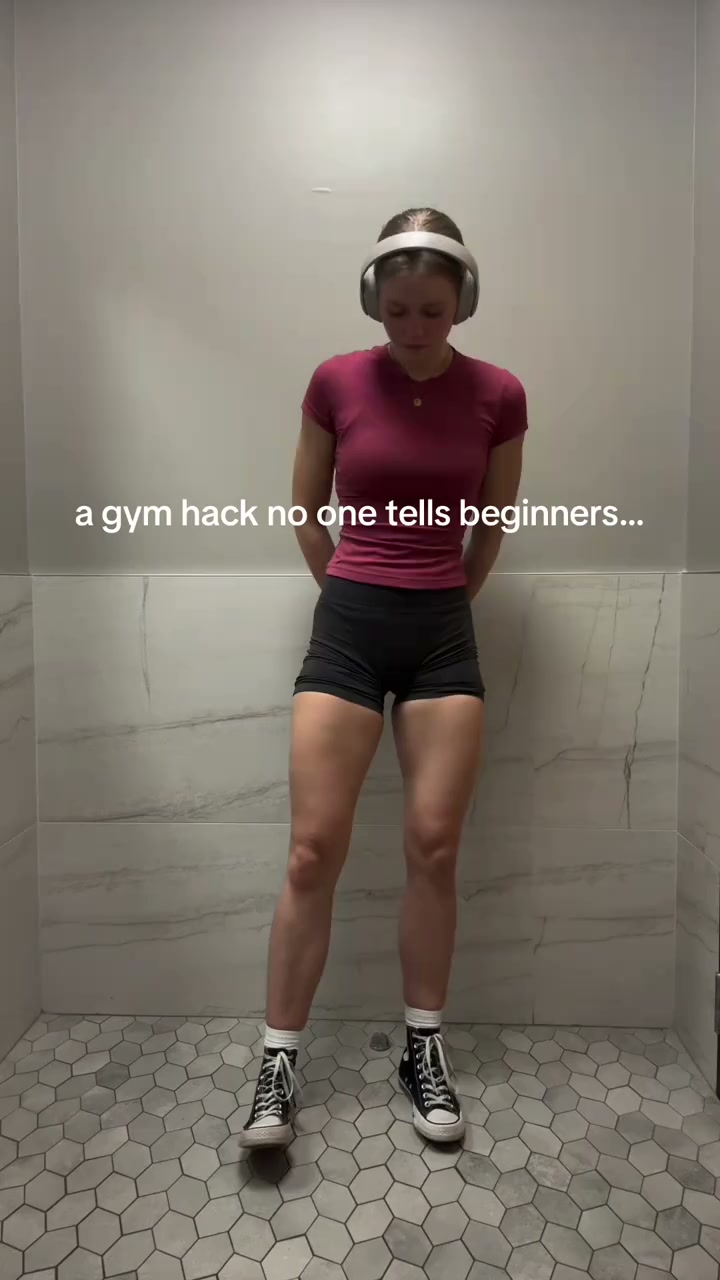 Workout generator app
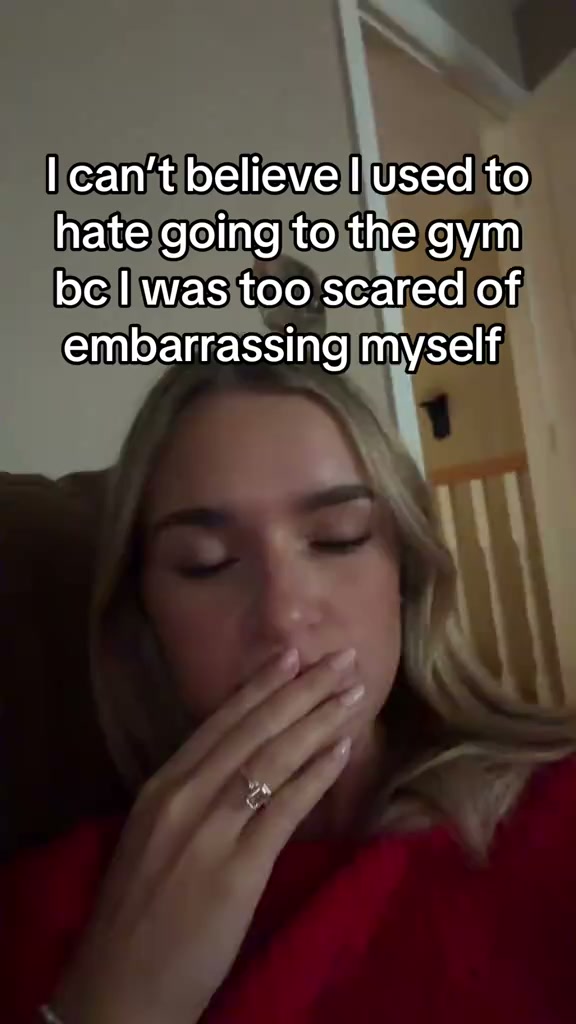 Gym guide app
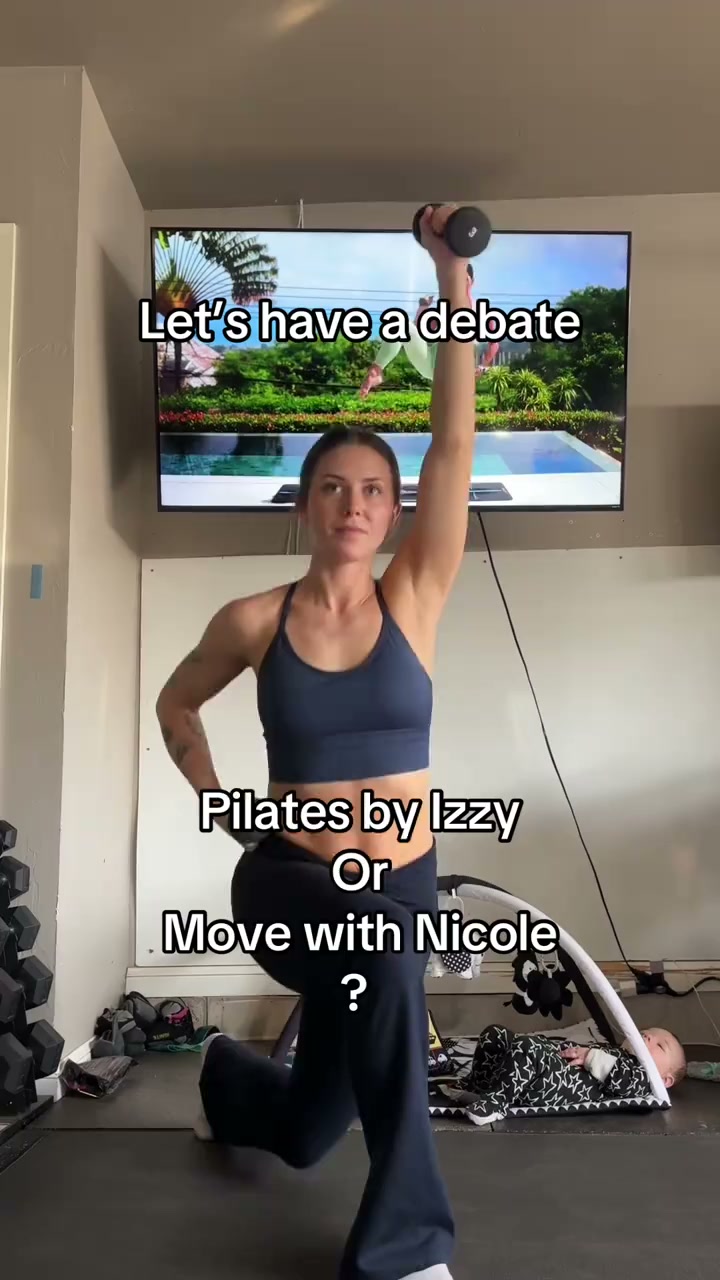 Pilates app
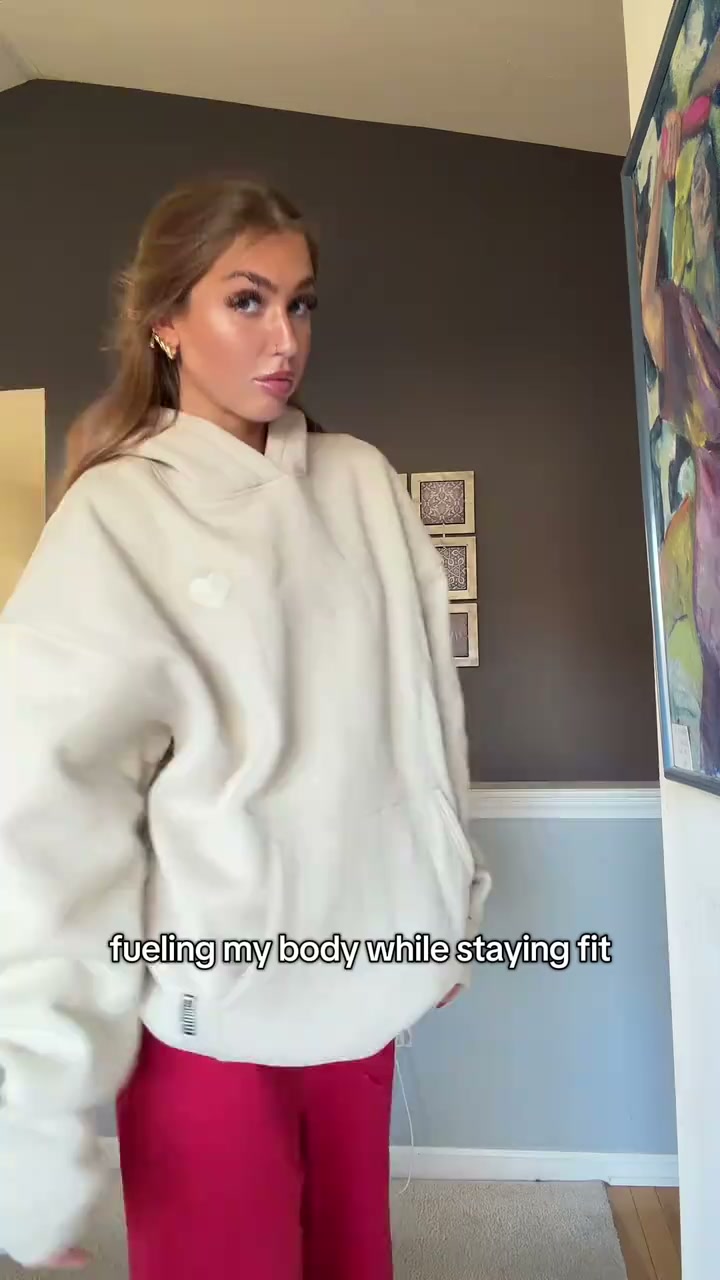 Calorie diet app
 Calorie tracker app
 Macro tracker app
 Period tracker app
 Cycle tracking app
 Habit tracker app
 Self-care tracker app
 Digital wellness app
 Sleep tracking appWorkout generator appGym guide appPilates appCalorie diet appCalorie tracker appMacro tracker appPeriod tracker appCycle tracking appHabit tracker appSelf-care tracker appDigital wellness appSleep tracking app
Why health and fitness-app UGC is its own sport
Most app UGC sells a result behind an install. Health and fitness UGC sells a transformation - a future self - to an audience that has quit a dozen apps and been burned by fake before-and-afters. It is proof-led, it is seasonal, and its retention problem is human willpower. That changes the job, and it is why a generic UGC shop tends to underdeliver for a health app:
It sells transformation, not features
Health UGC works when it shows the change - the before-and-after, the streak, the 'I actually stuck with it' - not a tour of the dashboard. The best of it is a real person mid-journey, told the way they would tell a friend.
Trust and proof are the barrier
People have quit a dozen fitness apps and seen faked results. Authentic creator proof - real routines, honest outcomes - is what earns the install. Proof beats polish here, and it beats hype by a mile.
Retention is a habit problem, the hardest kind
Health apps do not just fight churn, they fight willpower. A January install spike that quits by February is the category's default. Sign-ups who never build the habit are the most expensive kind. Ask any agency: installs, or retained, habit-forming users?
Seasonality and trust-sensitivity change the playbook
New Year, summer-body season, Q1 resolutions - demand spikes hard and the creative has to be tested and ready before the wave. And health claims are credibility- and sometimes compliance-sensitive, so the work has to be believable, not just catchy.
How to choose a UGC agency for your health or fitness app
First, decide the lever you are hiring: influencer campaigns to build trust and reach, UGC-ad creative to feed paid, a creator platform to self-serve sourcing, or a paid-media team to scale spend. This list is grouped that way. Then match to your stage and season - a New-Year push is a different job from an always-on habit app. And the honest filter: does the agency have named health or fitness app case studies with real numbers (subscribers, retention, ROAS), or one health logo behind unrelated work? Health is trust-sensitive, so the partner should understand credibility and, where it applies, health-claim compliance - not just reach.
What to look for in a health-app UGC partner
- Named health or fitness app case studies with numbers - subscribers, retention, ROAS - not one health logo among unrelated work.
- Creative that shows transformation and real results, not a tour of the app dashboard.
- Authentic creator proof that builds trust, because health is a credibility purchase.
- Measured on retained, habit-forming users and subscriber revenue, not raw installs or views.
- Ready for seasonality - New Year, summer, Q1 - when demand and UA competition spike.
- Honest about fit and about health-claim compliance - a good partner flags it rather than ignoring it.
The health and fitness-app UGC agencies, compared
Grouped by the job you are hiring for. Scroll the table sideways on mobile, or read the honest cards below it.
| Agency | Best for | Model | Vertical focus | Typical entry point | The one differentiator |
|---|---|---|---|---|---|
 Agniverse MediaUs Agniverse MediaUs | Health apps that need habits that stick, not just a January install spike | RetainerRetainer, from $10k/mo | Consumer apps, organic-first | Charter application, founder-direct | Operator-run; optimizes for retained, habit-forming users - the number health apps actually live on |
 House of Marketers House of Marketers | Health apps that want TikTok influencers plus paid amplification | HybridInfluencer + paid, campaign-based | Apps and brands, health practice | Free campaign proposal | Two named health apps (Flo Health, Daily Burn); TikTok influencer plus spark-ad amplification |
 BenLabs BenLabs | Health apps that want journey-led creator campaigns at scale | ProjectInfluencer, campaign-based | Consumer apps and entertainment | Book a demo (custom) | Journey-led creator content plus AI creator-audience matching; ran Noom |
 The Influencer Marketing Factory The Influencer Marketing Factory | Fitness apps that want big-volume TikTok creator casting | ProjectInfluencer, full-service | Consumer apps and health | Book a call (custom) | Ran Bending Spoons' 30 Day Fitness app; casts creators at scale (21 for 94.5M reach) |
 Admiral Media Admiral Media | Health apps scaling paid, measured on subscribers and retention | RetainerRetainer, performance/paid | Health and fitness apps, paid media | Retainer, from $10k/mo spend | The deepest health roster here - health and fitness apps scaled across 40+ markets (Fastic, NeuroNation, Petit BamBou) |
 Popular Pays Popular Pays | Teams that want to self-serve health-app creator content at scale | MarketplaceCreator platform, self-serve + managed | Apps and brands (Lightricks) | Book a demo (custom) | Creator-sourcing platform, part of Lightricks; ran BetterHelp's influencer content |
 Moburst Moburst | Health apps that want full-stack growth, UGC as one piece | RetainerRetainer, full-service | Mobile apps, enterprise | Book a call (custom) | Full-service growth (ASO, media, creative); named health wins - Calm, Abide |
 Handler Handler | Teams that want to make health-app UGC themselves, for free | SoftwareFree software | DIY, all app categories | Free, no signup | Free UGC hook and script generators, plus a searchable library of viral app UGC |
The shortlist
Four to start with - the operators and influencer shops with real health-app work, each winning a different lane.
Agniverse MediaUs
RetainerBest for: Health apps that need habits that stick, not just a January install spike
Built by an operator, for operators - and we will be straight about the fit. Founder An Nayal ran the full loop himself: he built Flamme (a consumer app), scaled it to 50M+ organic views on zero paid spend, and exited (acquired by Arya). Our exits are in consumer social and AI, not fitness specifically. What carries over is the number health and fitness apps actually live on: installs that turn into a daily habit, not a New-Year spike that has churned out by February. Best if you want senior, organic, retention-first work from people who have shipped an app themselves. If you need a large health-influencer roster or paid-media scale, the specialists below do that better, and we will point you to them.
House of Marketers
HybridBest for: Health apps that want TikTok influencers plus paid amplification
A TikTok-first influencer and paid-social agency with two real health apps in its book. For Flo Health (period and cycle tracking) it drove 10.5M+ video views and 200K engagements with a marked lift in downloads; for Daily Burn (home workouts) it reports 7,500 paying subscribers, 30M+ impressions and 300K+ clicks. Its signature is pairing organic creator posts with precision-targeted "spark ads." Best if you want influencer reach and paid amplification handled together.
BenLabs
ProjectBest for: Health apps that want journey-led creator campaigns at scale
A creator and entertainment-marketing agency - influencer, product placement, music partnerships - that leans on lifestyle, journey-style content over hard direct response, with proprietary AI to match creators to receptive audiences. Its health case study is Noom (weight loss and behaviour change): 5.5M views from 90+ creators over eight months, and a reported 90% customer lifetime value from those signups versus about 70% from Noom's in-house efforts. Best if you want story-led creator campaigns and a big-name network.
Best for: Fitness apps that want big-volume TikTok creator casting
A full-service influencer-marketing agency with a real fitness track record: for Bending Spoons' 30 Day Fitness app it cast 21 TikTok creators with a combined 94.5M followers, driving 18.5M video views, and it ran an F45 Training new-year push to 5.8M views. It handles sourcing, casting, execution and reporting end-to-end. Best if you want reach and high-volume creator casting for a fitness launch or a seasonal push.
The wider field
A paid-media specialist, a self-serve creator platform, a full-service growth agency, and our free DIY tool - each a different model, with the caveats where they matter.
Admiral Media
RetainerBest for: Health apps scaling paid, measured on subscribers and retention
The most health-specialized shop on this list, with a dedicated health-and-fitness practice that has scaled apps across 40+ markets. Named wins: Fastic (the #1 fasting app) at a 639% install increase, NeuroNation (brain training) at 117% higher ROAS, and Petit BamBou (meditation) at a 170% conversion lift. Its framing is subscriber revenue and member retention, "not downloads, not free trials." It produces UGC-style creative in-house, but media buying is the core of the service.
Heads-upPaid-media-first - UGC and creative are inputs here, not the whole service.
Popular Pays
MarketplaceBest for: Teams that want to self-serve health-app creator content at scale
A creator-marketing platform, part of Lightricks, where brands post a brief and creators apply - removing the manual influencer hunt - with a managed tier available on top. Its health case study is BetterHelp (teletherapy): a 170% lift in click-through rate, 8.7% better ad performance, and Instagram placements up 30%, per a named client quote from BetterHelp's Creative Director. Best if you want to scale creator-content sourcing yourself, with the option of a managed hand.
Moburst
RetainerBest for: Health apps that want full-stack growth, UGC as one piece
A full-service mobile-growth agency - ASO, paid media, creative, plus UGC and influencer under one roof - with named health wins. For Calm (meditation and sleep) it drove a 36% uplift in organic installs and a top-10 Health & Fitness spot; for Abide (Christian meditation) it cut cost per subscription by over 75%. A fair-read heads-up below on where UGC sits.
Heads-upFull-service - the Calm win was ASO work; UGC and influencer are a separate service line here.
Handler
SoftwareBest for: Teams that want to make health-app UGC themselves, for free
A free tool for making health-app UGC yourself. Handler gives you UGC hook generators, script helpers and a searchable library of real viral app UGC, with no signup. It is the DIY software layer: use it to see what is working and draft your own creator briefs before you hire anyone. Best if you want to test health-app UGC yourself before bringing in an agency.
The key UGC and health-growth terms, in plain English
- UGC (user-generated content)
- Content shot in the natural, native style of a real person rather than a polished brand ad. For health apps it usually means short-form creator video for TikTok, Reels and Shorts.
- Transformation content
- Creator content showing a real change over time - weight, fitness, calm, sleep. The format that works for health apps because it proves the outcome, though it has to be honest to stay credible and compliant.
- CPI (cost per install)
- What you pay, on average, for one app install. UGC-style creative usually lowers CPI because it looks like content, not an ad.
- Retention (D1 / D7 / D30)
- The share of users still active 1, 7 and 30 days after install. For health apps it is a habit-formation problem - the hardest retention there is.
- ROAS and subscriber LTV
- Revenue - often subscription - for each dollar of ad spend, and the long-term value of a subscriber. What serious health-app growth is judged on, well past the free trial.
- Seasonality
- The predictable demand spikes - New Year, summer, Q1 - when health-app installs surge and UA competition peaks. Creative has to be tested and ready before the wave, not during it.
How this list is built
Agencies are grouped by the job they are best at, not stacked one-to-ten, because the right partner for a New-Year fitness push is not the right one for an always-on meditation app. Every factual claim - model, focus, entry point, standout numbers - is checked against the agency's own website or public record, and we favoured shops with named health or fitness app clients over ones that merely mention wellness. Health marketing leans influencer and paid-media-led, so we say plainly which lever each shop sells rather than filing them all under 'UGC.' Where a figure could not be verified, it was left out. We also left off the many 'wellness' agencies whose clients are gyms, supplements or physical products rather than apps.
Disclosure, again and plainly: Agniverse Media publishes this page and is one of the entries on it - listed honestly, as a consumer-app operator whose retention and habit-formation focus carries to health apps, not as a fitness-native shop. We rank by use case, and we point you to a better-fit name (Admiral Media for paid-media scale, House of Marketers or BenLabs for influencer reach) wherever one of them suits your app more than we do.
Frequently asked questions
What makes UGC for health and fitness apps different from other UGC?
How much do UGC agencies for health and fitness apps cost?
Which UGC agency is best for a health or fitness app?
Influencer, UGC ads, a creator platform, or paid media - which does my health app need?
What should a health or fitness app look for in a UGC agency?
Do health and fitness apps even need a UGC agency, or can we run it in-house?
Why do health and fitness apps churn so hard after install?
Why is Agniverse Media on a list it publishes?
Related guides and tools

Building a health or fitness app and want retention-first, organic UGC?
Agniverse Media is operator-run - the founder built, scaled and exited his own consumer app on organic alone. Apply through the short charter. If your app needs a health-influencer roster or paid-media scale instead, we will point you to a better-fit name on this list - honestly.
Bylined Agniverse Media, part of Agniverse - the growth universe for consumer apps. Facts checked against each agency's own site as of September 2026. Found something out of date? Tell us and we will fix it.