UGC for social apps · Field guide
Best UGC agencies for social apps
A buyer's guide for social-app founders and growth leads choosing a UGC or creator partner - ranked by the job you are hiring for, not by a rigged one-to-ten. Every claim is checked against each agency's own site.
Last updated September 2026 · Bylined Agniverse Media
Disclosure: Agniverse Media, one of the agencies below, publishes this page. We rank by use case, not by who paid or who wrote it, and we say plainly where someone else fits your app better. Every fact is checked against each agency's own site. If it is not verifiable, it is not here.
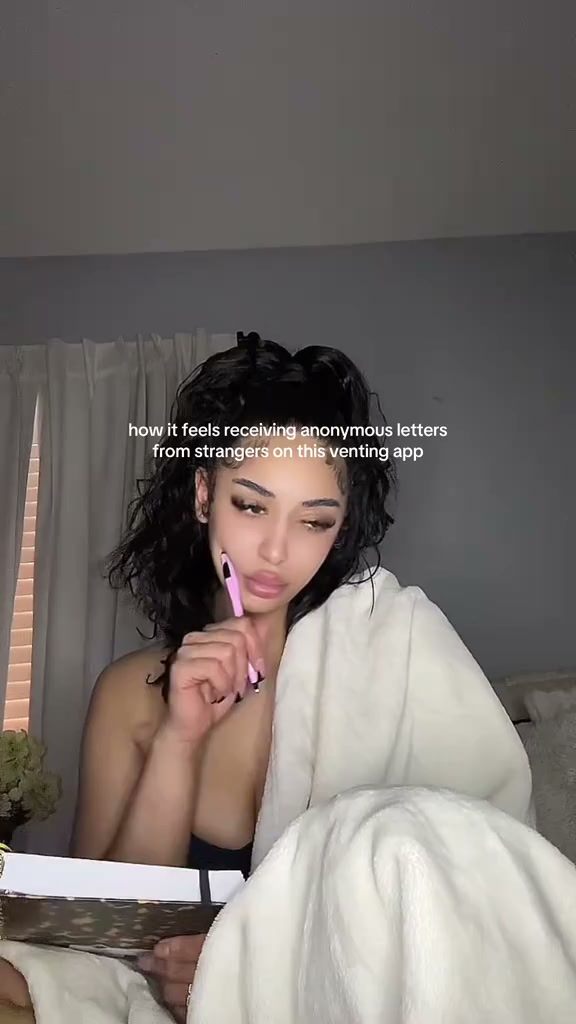 Anonymous confession app
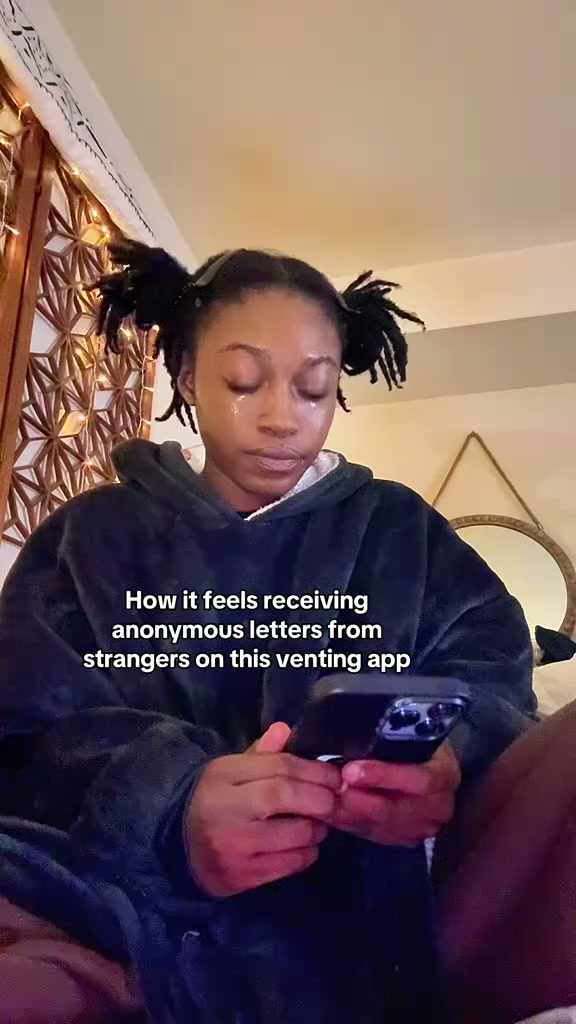 Anonymous letters app
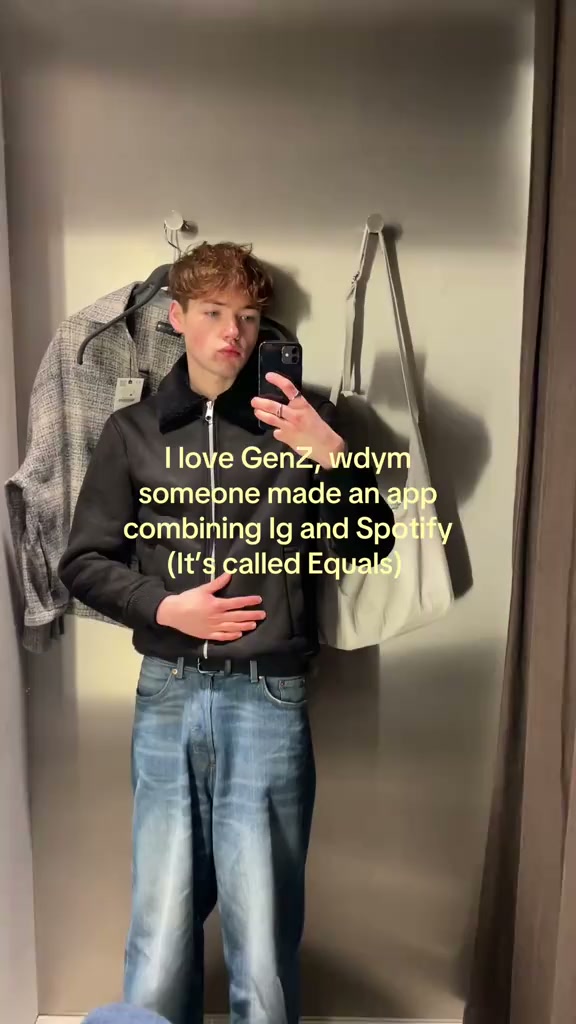 Social music app
 Shared photo album app
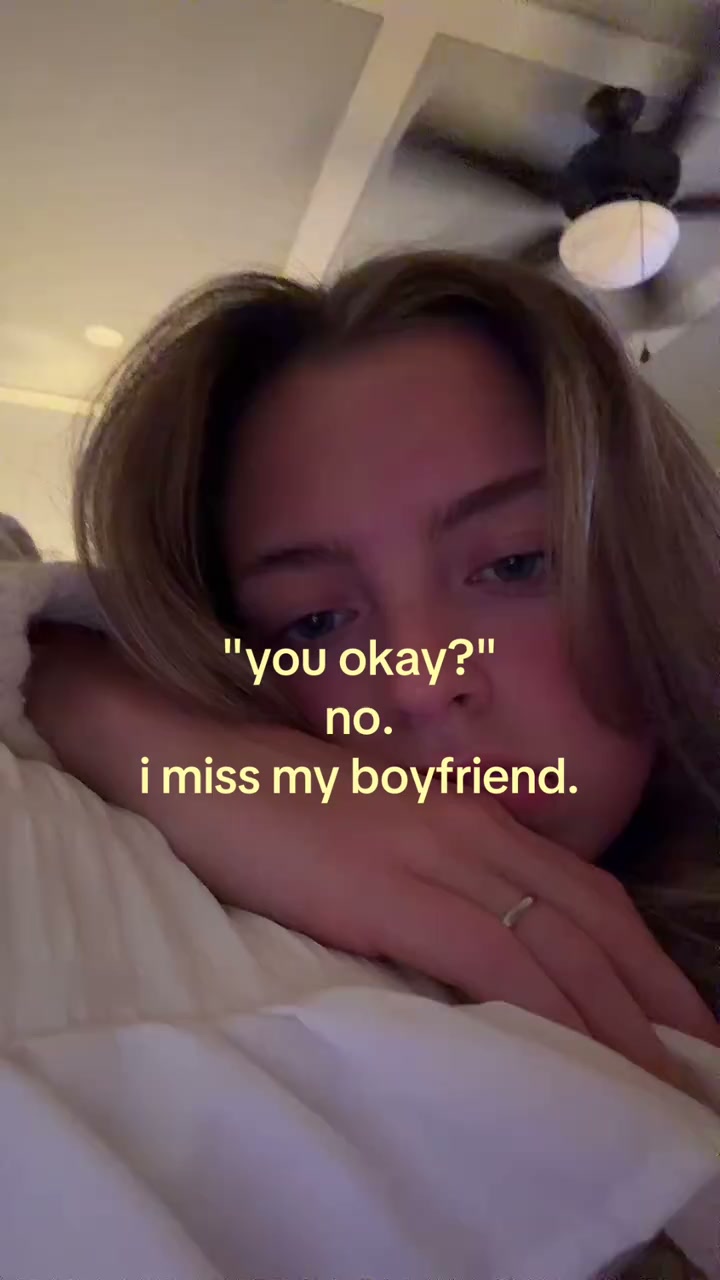 Friend drawing widget
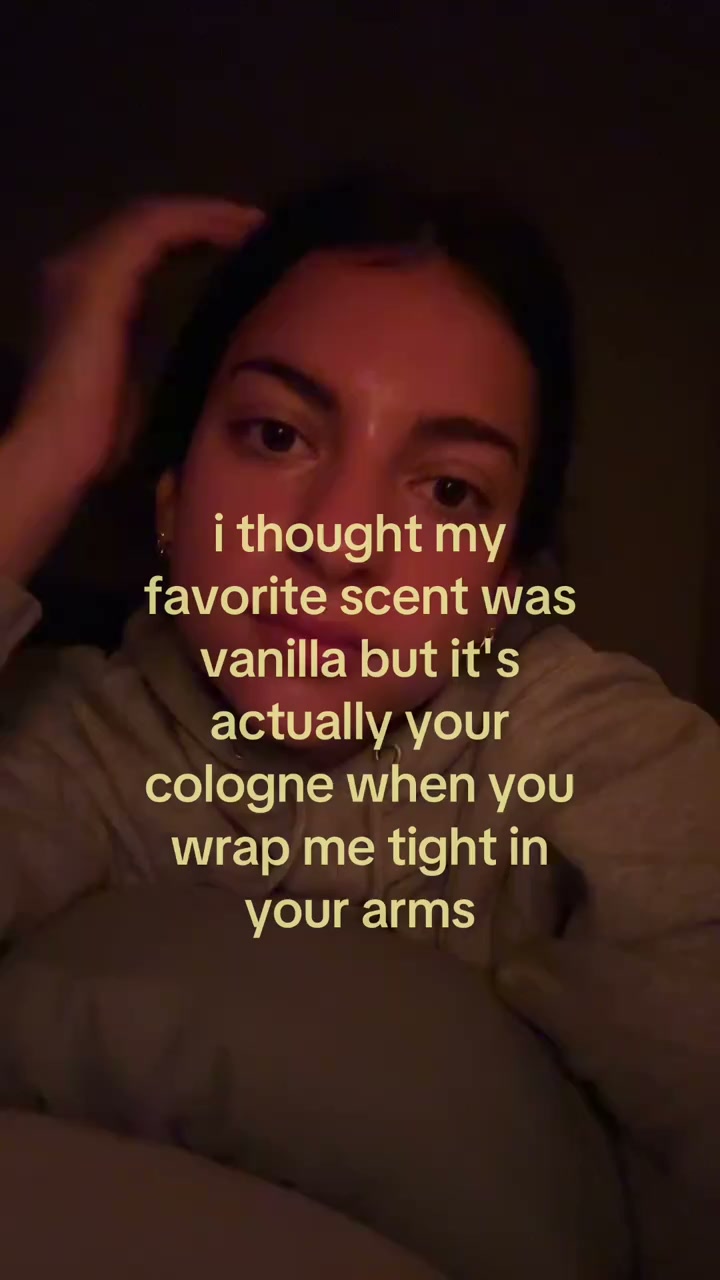 Couple widget app
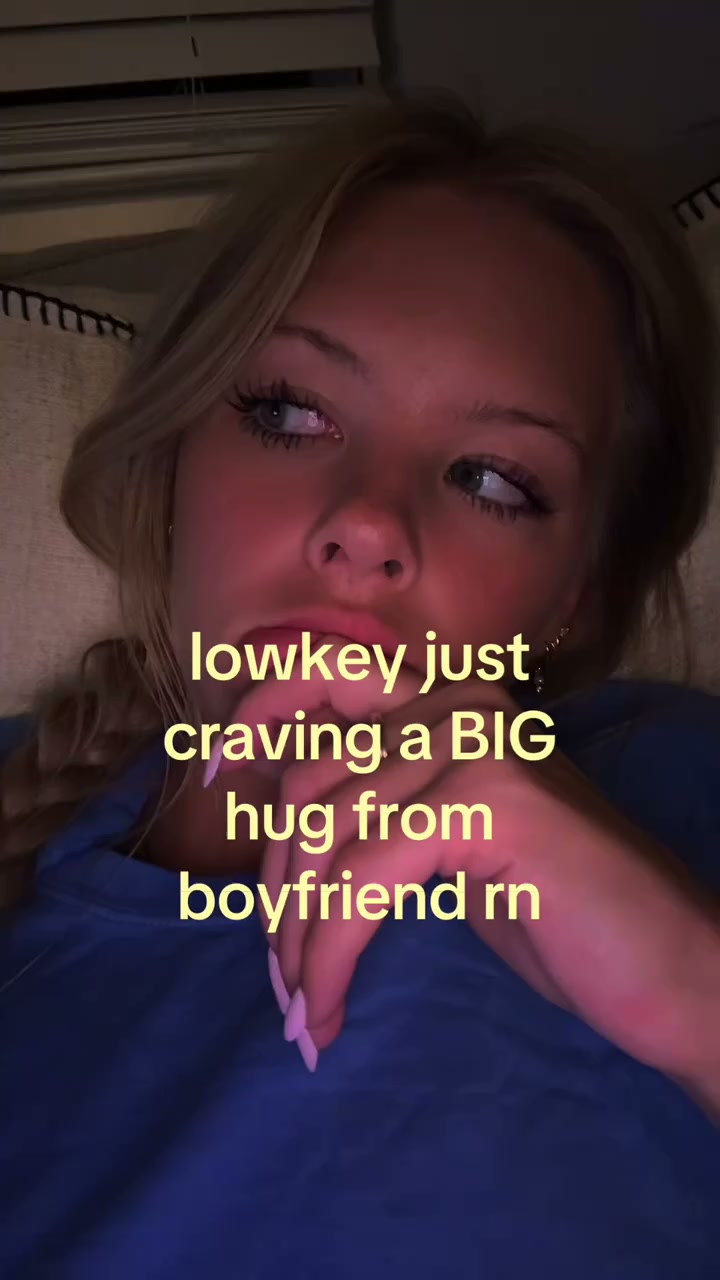 Couple widget demo
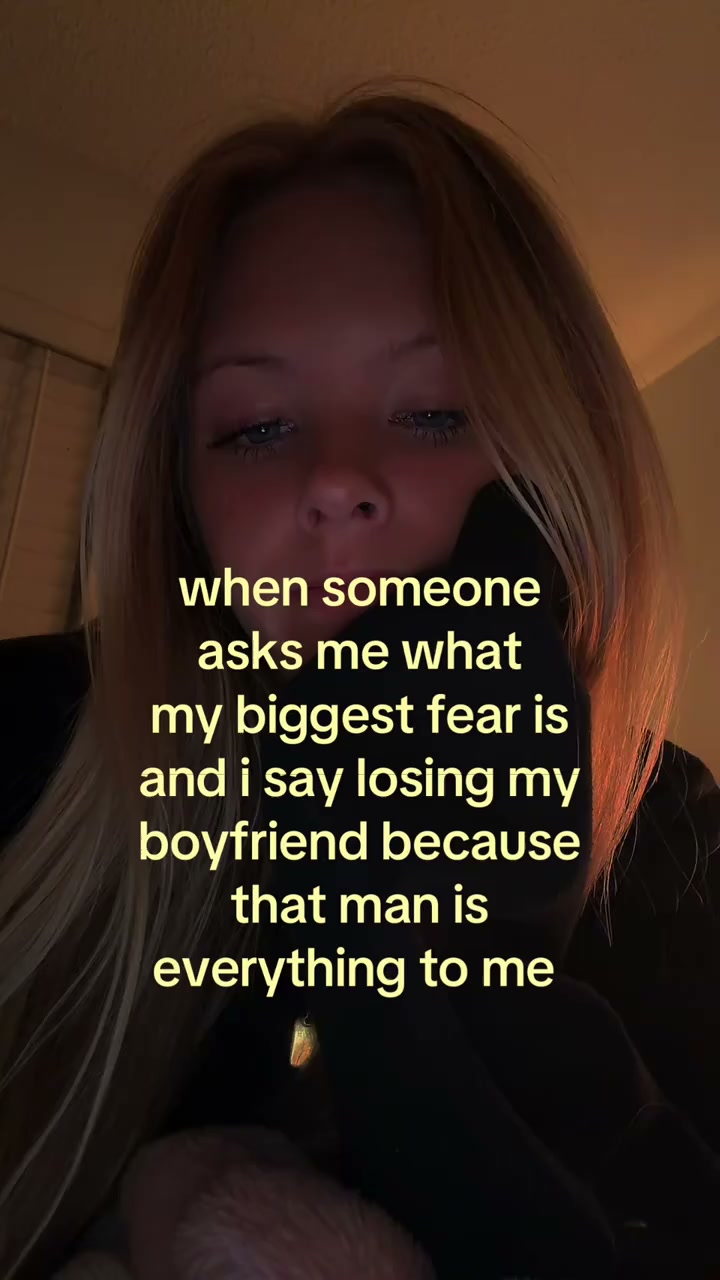 Long-distance widget
 Couple connection widget
 Distance tracker widget
 Couple widget reveal
 Long-distance appAnonymous confession appAnonymous letters appSocial music appShared photo album appFriend drawing widgetCouple widget appCouple widget demoLong-distance widgetCouple connection widgetDistance tracker widgetCouple widget revealLong-distance app
Why social-app UGC is its own sport
Most app UGC sells a solo experience - install it, use it, keep it. A social app sells other people, and it has to solve the hardest problem in growth first: the cold start, the empty room, the network that is worthless until enough people are in it. That changes the whole job, and it is why a generic UGC shop tends to underdeliver for a social app:
The product is other people
A social app is worthless empty and magic when it is full. UGC has to sell belonging - the feed you want to be in, the friends already there - not a feature list. The best social-app UGC makes a stranger feel like they are missing the party.
You are fighting the cold start, not just install friction
Every social app launches into an empty room. The first job is density - enough people, in one place or friend group, for the network to switch on. That is why seeding, campus launches and close-friend loops matter more here than raw install volume.
Launches are local and cultural, not national
Social apps catch fire in a school, a city, a friend group, then jump. The winning play is a tight, culturally-native launch - campus ambassadors, a local creator swarm - not a broad national blast that spreads too thin to reach density anywhere.
It lives or dies on the loop, not the view
A million views that do not invite a friend are wasted. Social-app UGC is measured on the invite, the K-factor, the retained active user - the loop that makes each user bring the next one - because that, not reach, is what makes a network grow.
How to choose a UGC agency for your social app
Start with your stage and your shape. Pre-launch or cold-starting? You want seeding and a local, cultural launch - campus ambassadors (Home From College), an anonymous or campus creator swarm (SideShift), or a tight close-friends push (1stCollab). Scaling an existing network? You want volume and iteration to keep the loop spinning. Then match the surface to your audience: TikTok for Gen-Z and campus, Instagram and YouTube for social-discovery and video-chat apps, gaming and streaming platforms if your users live there. And the filter that matters most here: does the agency have a named social-app client with real numbers - installs, K-factor, retained users - or a teardown of how BeReal grew that it never actually ran? The social space is thick with 'how X went viral' content; a real client relationship is a different thing.
What to look for in a social-app UGC partner
- A named social-app client with real numbers - installs, engagement, retained users - not a teardown of how BeReal or Yik Yak grew.
- A read on the cold start: seeding, campus launches and close-friend loops, not just a broad install blast.
- The right surface for your audience - TikTok for campus and Gen-Z, Instagram and YouTube for social-discovery, gaming platforms if that is where they are.
- Culturally-native creators who match the tone of your app, because social apps are judged on belonging.
- Measured on the loop - invites, K-factor, retained active users - not raw views.
- Honest about fit - a good partner tells you when your app needs a campus play rather than a national one, or the other way round.
The social-app UGC agencies, compared
Grouped by the job you are hiring for. Scroll the table sideways on mobile, or read the honest cards below it.
| Agency | Best for | Model | Vertical focus | Typical entry point | The one differentiator |
|---|---|---|---|---|---|
 Agniverse MediaUs Agniverse MediaUs | Social apps that need to go viral and retain, not just spike at launch | RetainerRetainer, from $10k/mo | Consumer apps, organic-first | Charter application, founder-direct | Operator-run by a founder who built and exited a social app; optimizes for retained, active users and organic virality |
 SideShift SideShift | Anonymous and campus-culture social apps that need fast, tone-matched content | HybridUGC + creator marketplace | Creator marketplace, apps | 7-day free trial, self-serve | Two metric-rich social-app case studies (Yik Yak, Astra) on its own site |
 1stCollab 1stCollab | Close-friends and photo-sharing apps scaling a creator program fast | HybridInfluencer marketplace + support | Automated influencer marketplace | Free to start, self-serve from $499/mo | Locket's 100M+ view program, with named results and 2-day creator payouts |
 Home From College Home From College | Campus launches and ambassador-led cold starts (the BeReal playbook) | MarketplaceCampus ambassador marketplace | Student creators and ambassadors | Contact (creator pay published) | Ran BeReal's student-ambassador launch; a real campus network, not just a content shop |
 House of Marketers House of Marketers | Anonymous and hyperlocal community apps that want TikTok micro-influencers | HybridInfluencer + paid, campaign-based | Apps and brands, TikTok-first | Free campaign proposal | A named Jodel campaign measured on installs and CPI, not just views |
 Vo Creations Vo Creations | Creator-social and community apps that want a built-for-you creator program | RetainerUGC, in-house program | Startups and consumer apps | Qualification call | A named Fable case - the social reading app - with a big early view number |
 The Influencer Marketing Factory The Influencer Marketing Factory | Social-discovery and video-chat apps that want Instagram and YouTube reach | ProjectInfluencer, project-based | Influencer, apps and brands | Contact (custom) | A named Ablo campaign across Instagram and YouTube for a social-networking app |
 GameInfluencer GameInfluencer | Social apps whose audience skews gaming and Twitch or YouTube culture | HybridInfluencer, gaming network | Gaming creators, 14 markets | Contact (custom) | Runs social-app campaigns through YouTube pre-roll and Twitch, not TikTok UGC |
 Handler Handler | Making and studying social-app UGC yourself, for free | SoftwareFree software | DIY, all app categories | Free, no signup | Free UGC hook and script generators, plus a searchable library of viral app UGC |
The shortlist
Four to start with - our own honest entry for the social lane, an anonymous-and-campus specialist, a close-friends creator program, and a campus-ambassador cold-start engine.
Agniverse MediaUs
RetainerBest for: Social apps that need to go viral and retain, not just spike at launch
Built by an operator, for operators - and social is the closest thing to our home turf. Founder An Nayal built Flamme, a social and relationship app, scaled it to 50M+ organic views on zero paid spend, and exited (acquired by Arya). Social apps live and die on exactly what this playbook is built for: the cold-start problem, network effects, and organic virality that turns installs into active, connected users rather than a launch-week spike that churns. The work is measured on retained, engaged users and D30, not view counts. Best if you want senior, organic, retention-and-virality-first work from someone who has grown a social app himself.
SideShift
HybridBest for: Anonymous and campus-culture social apps that need fast, tone-matched content
A creator-marketplace and UGC-production hybrid (it claims 700,000+ creators) with the deepest social-app proof here. Its Yik Yak case - the anonymous campus app - reports 25M views, a 12.3% engagement rate and a Top 10 App Store spot from 3,000 posts in a month, at a $1.1 CPM. Its Astra case, a social self-growth app, reports 5M+ organic views and 25,000 downloads from a single video across 400+ TikToks. Best for anonymous, campus or Gen-Z social apps that need a high volume of tone-matched creator content fast.
1stCollab
HybridBest for: Close-friends and photo-sharing apps scaling a creator program fast
An automated, performance-optimized influencer marketplace with human support on the deals. Its standout is Locket, the close-friends photo-widget app: 100M+ organic TikTok views at under a $1 CPM, a #1 App Store ranking in Social, from 13,000+ creator bids, with 99% of creators paid within two days. Locket's growth lead is quoted saying it 'helped us easily scale our influencer program to reach hundreds of creators.' Best for a social app that wants to run a large creator program without building the ops in-house.
Home From College
MarketplaceBest for: Campus launches and ambassador-led cold starts (the BeReal playbook)
A student-creator and campus-ambassador marketplace (microGIG for quick paid tasks, GIG for longer partnerships). Its marquee social credit is real and named: BeReal partnered with Home From College to launch a student-led ambassador campaign, recruiting NYC ambassadors through its network and generating 1.2M impressions in two weeks. Best for the campus cold-start every anonymous and Gen-Z social app runs - the playbook behind BeReal, Fizz and Sidechat.
Heads-upIts other named case studies are consumer brands, not social apps - BeReal is the one social client shown, so do not over-read the breadth.
The wider field
Hyperlocal community micro-influencers, a built-for-you creator program, Instagram-and-YouTube social-discovery reach, a gaming-audience pick, and a free DIY tool - each a different job, with the caveats where they matter.
House of Marketers
HybridBest for: Anonymous and hyperlocal community apps that want TikTok micro-influencers
A TikTok-first influencer and paid-social agency with a genuine anonymous-community case: Jodel, the location-based, real-time community app, at 85,644 installs and a EUR 2.29 cost per install from a EUR 196,521 campaign over three months, run through 60+ TikTok micro-influencers across Germany, France and Sweden. Best for an anonymous or hyperlocal community app that wants micro-influencer reach measured on installs and cost per install.
Heads-upA generalist app-and-brand agency; Jodel is its clearest social-community case among mostly beauty and gaming work.
Vo Creations
RetainerBest for: Creator-social and community apps that want a built-for-you creator program
A UGC agency for startups and consumer apps that builds a creator program for you rather than renting influencers. Its social case is Fable, the social reading and book-club app, at a reported 25M+ views in four weeks across three creators. Best for a creator-social or community app that wants a built-for-you UGC program run in-house.
Heads-upThe Fable case shows views only; deeper metrics (installs, conversion) are gated behind a sales call.
Best for: Social-discovery and video-chat apps that want Instagram and YouTube reach
A global influencer-marketing agency with a named social-networking case: Ablo, the stranger-to-friend video-chat app, which it calls a brand 'disrupting the social networking space.' Its write-up reports 4.4M+ views across 17 influencers on Instagram and YouTube, with an earlier campaign at 1.78M YouTube views and 743,000+ Instagram story views. Best for a social-discovery or video-chat app that wants influencer reach on Instagram and YouTube rather than TikTok.
Heads-upThe Ablo campaign dates to 2019, though it is still featured on the agency's current work page.
GameInfluencer
HybridBest for: Social apps whose audience skews gaming and Twitch or YouTube culture
A gaming-specific influencer agency (a network of 9,000+ vetted creators across 14 markets), useful when a social app's audience lives in gaming and streaming rather than on TikTok. Its social case is Wizz, the random-chat app published by Voodoo: 4 influencers, 285,000+ views and 11,500+ hours watched in 2024, run through YouTube and Twitch. Best as a niche pick for a social app with a gaming-flavored audience.
Heads-upNiche and smaller-scale here - no installs or CPI disclosed, and it is gaming-creator-led rather than TikTok UGC.
Handler
SoftwareBest for: Making and studying social-app UGC yourself, for free
A free tool for making social-app UGC yourself. Handler gives you UGC hook generators, script helpers and a searchable library of real viral app UGC, with no signup. It is the DIY software layer: use it to see which hooks and formats are working in your category and to draft your own creator briefs before you hire anyone. Best if you want to test social-app UGC yourself, or brief creators better, before bringing in an agency.
The key social-app growth terms, in plain English
- UGC (user-generated content)
- Content shot in the natural, native style of a real person rather than a polished brand ad. For social apps it usually means short-form creator video for TikTok, Reels and Shorts, plus campus and community seeding.
- Cold start
- The chicken-and-egg problem every social app faces at launch: the network is worthless until enough people are on it, so the first job is reaching density in one place or friend group.
- K-factor
- How many new users each user brings in. Above 1 and a social app grows on its own - and feeding that loop, not just reach, is the whole point of social-app UGC.
- Seeding
- Getting an app into the right hands first - a campus, a friend group, a creator's audience - so the network switches on locally before it spreads.
- Campus launch and ambassadors
- The classic social-app cold-start play: student ambassadors and local creators light up one school or city at a time, the way BeReal, Fizz and Yik Yak did.
- Retention (D1 / D7 / D30)
- The share of users still active 1, 7 and 30 days after install. For a social app it separates a real network from a launch-week spike that emptied out.
How this list is built
Agencies are grouped by the job they are best at, not stacked one-to-ten, because the right partner for a pre-launch campus app is not the right one for a social network scaling reach. Every factual claim - model, focus, entry point, standout numbers - is checked against the agency's own website. Social-app UGC is a niche, and it is thick with 'how BeReal grew' teardown content, so we were strict: an agency had to name a real social-networking, community, anonymous or close-friends app client, with a metric, on its own site. We excluded dating apps (they have their own page), and we dropped the decoys - teardowns dressed up as clients, and dating or study apps mislabelled as social. Where a figure could not be verified, it was left out.
Disclosure, again and plainly: Agniverse Media publishes this page and is one of the agencies on it - and social is the vertical we can claim most honestly, because the founder built and exited a social app. We win a specific slot: operator-run, organic, retention-and-virality-first. We rank by use case, and we point you elsewhere - to a campus specialist, an anonymous-app creator swarm, a close-friends program - wherever one of them fits your app better than we do.
Frequently asked questions
What makes UGC for social apps different from other UGC?
How much do UGC agencies for social apps cost?
Which UGC agency is best for a social app?
How do you market a social app before it has users (the cold start)?
What should a social app look for in a UGC agency?
Campus, close-friends, or anonymous - do different social apps need different UGC?
Do social apps even need a UGC agency, or can we run it in-house?
Why is Agniverse Media on a list it publishes?
Related guides and tools

Building a social app and want organic, retention-first growth?
Agniverse Media is operator-run - the founder built, scaled and exited a social app on organic alone. Apply through the short charter. If your app needs a campus ambassador push or an anonymous-app creator swarm instead, we will point you to a better-fit name on this list - honestly.
Bylined Agniverse Media, part of Agniverse - the growth universe for consumer apps. Facts checked against each agency's own site as of September 2026. Found something out of date? Tell us and we will fix it.