UGC for ecommerce and dropshipping · Field guide
Best UGC agencies for ecommerce and dropshipping brands
A buyer's guide for ecommerce and dropshipping brands choosing a UGC partner - ranked by the job you are hiring for, not by a rigged one-to-ten. Every claim is checked against each company's own site.
Last updated September 2026 · Published by Agniverse Media
Published by Agniverse Media, an operator in consumer-app UGC. We do not sell ecommerce UGC ourselves, so nobody on this list is us - it is a neutral guide. We rank by use case, every fact is checked against each company's own site, and if it is not verifiable, it is not here.
 Shopping-haul demo
 Closet unboxing demo
 Outfit evolution demo
 Styling haul demo
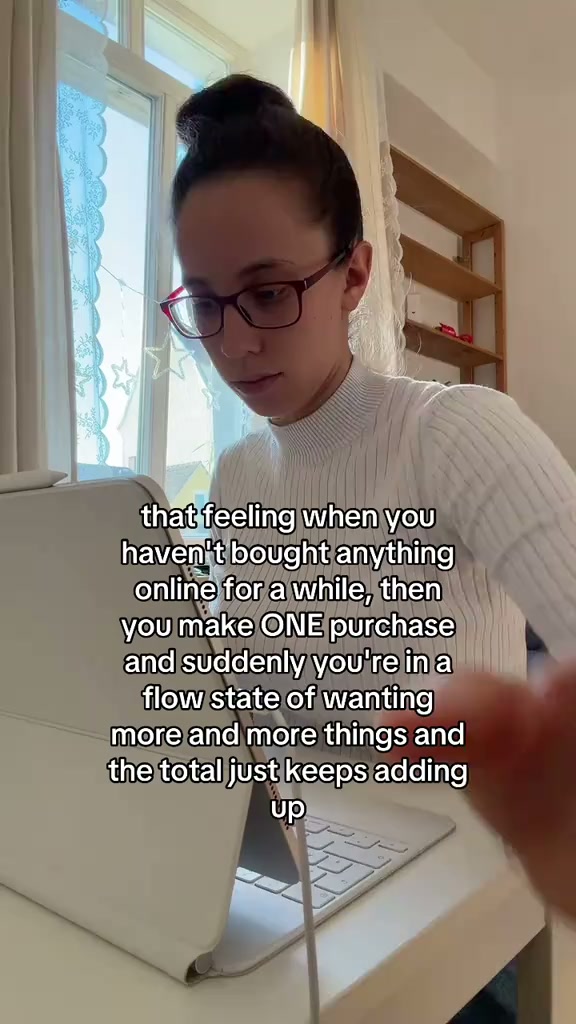 Overspending hook
 Problem-solution demo
 Emotional hook reveal
 App demo hook
 Talking-head hook
 Life-changing claim hook
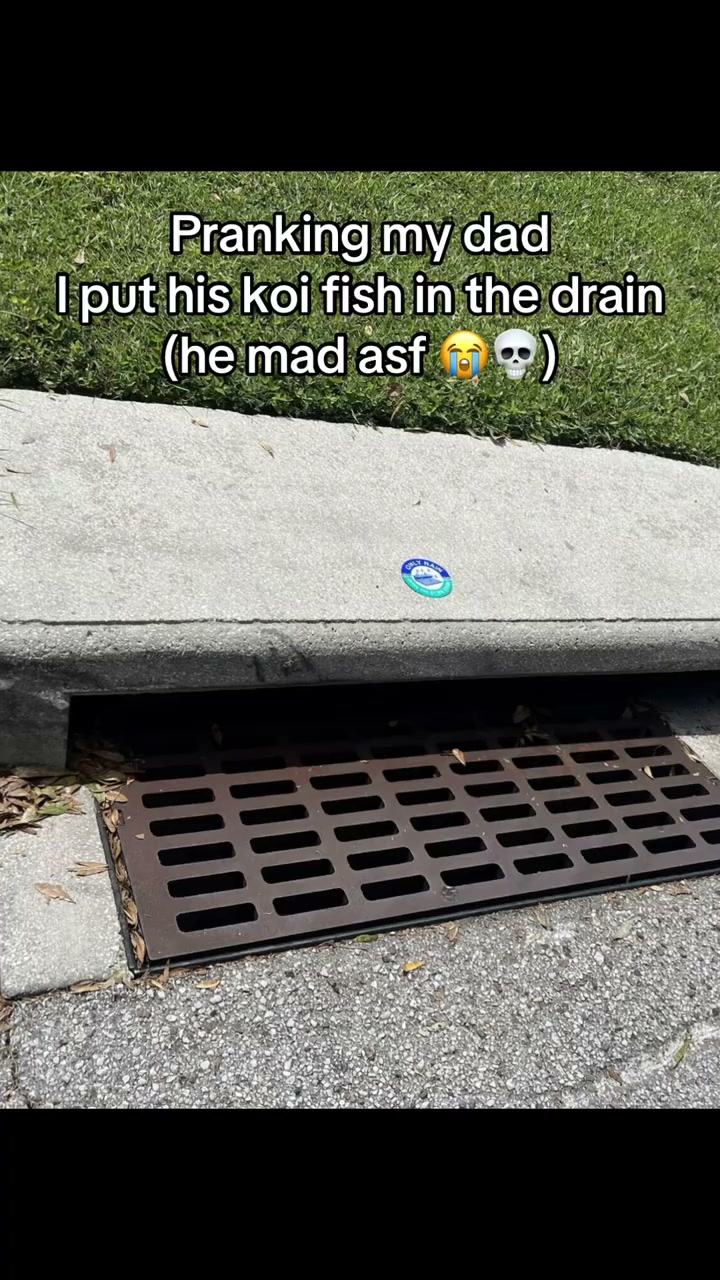 Text-heavy prank hook
 POV curiosity hookShopping-haul demoCloset unboxing demoOutfit evolution demoStyling haul demoOverspending hookProblem-solution demoEmotional hook revealApp demo hookTalking-head hookLife-changing claim hookText-heavy prank hookPOV curiosity hook
Why ecommerce and dropshipping UGC is its own sport
App UGC sells something the viewer cannot hold. Ecommerce UGC sells the opposite - a physical product you can show, demo and unbox on camera - and most of it exists to feed paid ads that have to turn a profit. That changes the job, and it is why the ecommerce UGC field looks so different from the app one:
The product is the star, on camera
Ecommerce UGC can do the one thing app UGC cannot: hold the thing up, unbox it, demo it, show the texture and the result. The formats that win are native and specific - the honest review, the 'this actually works' demo, the before-and-after - not a polished brand film.
It lives or dies on ROAS, not views
Most ecommerce UGC exists to feed paid ads on Meta and TikTok, so the number that matters is cost per purchase and return on ad spend, not reach. A video with a million views that does not sell is a loss. The best partners report on revenue, not vanity.
It is a volume-and-iteration game
Ad creative fatigues fast, so brands need a steady feed of fresh angles, hooks and creators to test and kill on a cadence. That is why so much of this field is self-serve marketplaces and per-campaign production rather than the retainers common in app growth.
Dropshipping and DTC are not the same buyer
A dropshipper testing a product this week wants cheap, fast, high-volume creative with no minimum. An established DTC brand wants on-brand, licensed, performance-tracked content. The same list serves both, but the right pick is very different - so we flag which is which.
How to choose a UGC agency for your ecommerce or dropshipping brand
Start with the model, because ecommerce UGC comes in three shapes. A self-serve marketplace (Billo, JoinBrands) if you want to order volume creative yourself, cheap and fast - the dropshipper's default. A managed, done-for-you shop (miniSocial, inBeat) if you want a team to run creative, and often paid media, for you. Or a creator platform (Social Native, Aspire, Popular Pays, Insense) if you want software plus a managed layer, affiliate tracking, or a direct pipe into whitelisted ads. Then match to your stage - a day-one dropshipper and a scaling DTC brand want opposite things - and check the proof: does the company show named ecommerce clients with real numbers (ROAS, cost per purchase, tracked sales), or a wall of logos and a teardown of a brand it never worked with? In a field this crowded, that filter does most of the work.
What to look for in an ecommerce UGC partner
- Named ecommerce clients with real numbers - ROAS, cost per purchase, tracked sales - not a logo wall or a teardown of a brand they never ran.
- The right model for your stage: a self-serve marketplace for cheap volume, a managed shop for done-for-you, a platform for software plus tracking.
- Full, perpetual usage rights on the content, so you can run it as paid ads without a licensing headache.
- A pipeline into paid: whitelisted Spark and Partnership ads, or a Shopify integration that ties content to sales.
- Enough volume and iteration to beat creative fatigue, because winning ad angles burn out fast.
- Honest about fit - a partner built for enterprise CPG is the wrong call for a first-time dropshipper, and a good one will say so.
The ecommerce UGC agencies, compared
Grouped by the job you are hiring for. Scroll the table sideways on mobile, or read the honest cards below it.
| Company | Best for | Model | Focus | Typical entry point | The one differentiator |
|---|---|---|---|---|---|
 Billo Billo | High-volume, self-serve UGC ads with no minimum | MarketplaceUGC marketplace, self-serve | Ecommerce and DTC | Free signup, or book a demo | Self-serve access plus the largest scale on this list; no stated minimum |
 miniSocial miniSocial | DTC brands that want fully-managed UGC with a published price | ProjectManaged UGC, from $3,000 | DTC ecommerce | Submit a campaign brief | One of the only names with a public starting price, not 'book a call' |
 inBeat inBeat | DTC brands that want a done-for-you team measured on ROAS | HybridUGC + influencer + paid | Ecommerce and DTC | Free discovery call | Reports hard performance deltas - ROAS, CPA, margin - not just asset counts |
 Social Native Social Native | Established DTC and retail brands that want the hardest commerce metrics | HybridCreator platform + managed | Enterprise retail and CPG | Book a demo | The deepest bench of named brands with real ROAS, CPA and conversion numbers |
 Insense Insense | Brands that turn creator content straight into whitelisted TikTok and Meta ads | MarketplaceUGC marketplace + managed | DTC and apps, 3,500+ clients | Free trial, or book a demo | Native whitelisting: creator content plugs directly into Spark and Partnership ads |
 JoinBrands JoinBrands | Dropshippers, TikTok Shop and Amazon sellers who want fast, self-serve UGC | MarketplaceUGC marketplace, self-serve | Ecommerce, Amazon and TikTok Shop | Self-serve signup | Explicitly built for Amazon and TikTok Shop sellers, not just generic ecommerce |
 Popular Pays Popular Pays | Shopify brands that want creator content tied to tracked sales | HybridCreator platform + managed | DTC, CPG and retail | Book a demo | A Shopify integration that attributes creator-driven sales, plus a deep CPG bench |
 Aspire Aspire | Ecommerce brands that want affiliate and commission-based creator programs | HybridInfluencer + affiliate platform | Ecommerce, formerly AspireIQ | Request a demo | Native affiliate and commission tracking, so creator programs pay on performance |
 Handler Handler | Sellers who want to make and study UGC themselves, for free | SoftwareFree software | DIY, all categories | Free, no signup | Free UGC hook and script generators, plus a searchable library of viral UGC |
The shortlist
Four to start with - a self-serve marketplace for volume, a managed shop with a public price, a performance agency, and the enterprise name with the hardest numbers.
Billo
MarketplaceBest for: High-volume, self-serve UGC ads with no minimum
One of the biggest names in ecommerce UGC, and the easiest to start: you brief a video, a vetted creator shoots it, and you get an ad-ready file - no retainer, no minimum. Billo reports 22,000+ brands served, a network of 5,000+ creators, and over 326,000 video ads analyzed, with $500M+ in tracked purchase value across the platform. The proof here is aggregate platform scale rather than named-brand case studies, so judge it on the model, not a single hero result. Best if you are a Shopify or dropshipping seller who wants fast, cheap, high-volume creative to test.
Heads-upIts numbers are aggregate platform stats, not named-client case studies with metrics.
miniSocial
ProjectBest for: DTC brands that want fully-managed UGC with a published price
A fully-managed UGC platform built for DTC brands, and a rarity in this field: it publishes a starting price - projects start at $3,000 for a campaign of 10 creators. The roster is deep and unmistakably ecommerce, with 40+ named case studies including Olipop, Magic Spoon, Native, Harry's, MadeGood, Felix Gray and UrbanStems, and it reports delivering thousands of fully-licensed UGC assets a month. The named brands are a client list rather than metric-by-metric case studies, and the $3,000 floor makes it a fit for a funded DTC brand more than a day-one dropshipper. Best if you want done-for-you UGC with pricing you can see up front.
Heads-upThe named brands are a client list; per-brand ROAS or CTR figures are not published.
inBeat
HybridBest for: DTC brands that want a done-for-you team measured on ROAS
A full-service performance-creative agency that treats UGC as a means to a number, not a deliverable. Its DTC case studies carry real deltas: Hurom, a DTC juicer brand, at a reported 300% increase in ROAS, 33% month-on-month profit-margin growth and a 65% cut in CPA; Prose (haircare) at a 45% ROAS lift; and Native producing 200+ unique UGC content assets for a single collection launch. It is a certified partner with TikTok, Google and Meta. Best if you want a partner that runs creative and paid together and reports on margin, not views.
Heads-upFull-service (UGC, influencer and paid) and not a pure-play ecommerce shop - confirm category fit on the call.
Social Native
HybridBest for: Established DTC and retail brands that want the hardest commerce metrics
An AI-powered creator-content platform for larger retail and CPG brands, and the name here with the hardest commerce proof. Its named case studies carry conversion and ad-spend numbers, not just views: Medicube at a reported 524% return on ad spend, IKEA at a 3.54x conversion-rate lift, Dr. Martens at 1.6x, Dollar Shave Club at a 22% lower CPA and Caraway at a 2.77x average ROAS. It reports powering 1.8 million creator collaborations across 1,500+ brands. This is the enterprise end of the market - a fit for an established brand running a real program, not a first-time seller testing one product.
Heads-upEnterprise-focused and demo-gated - overkill for a small or first-time dropshipper.
The wider field
A whitelisting marketplace, a dropshipper-and-Amazon specialist, a Shopify-native platform, an affiliate platform, and a free DIY tool - each a different model, with the caveats where they matter.
Insense
MarketplaceBest for: Brands that turn creator content straight into whitelisted TikTok and Meta ads
A UGC creator marketplace whose edge is the paid-ads handoff: content sourced on the platform plugs straight into whitelisted TikTok Spark and Meta Partnership ads. Its ecommerce proof is checkout-level, not just reach - Wonderskin, a DTC beauty brand, reported 46% higher ROAS, a 33% lower cost per completed payment and a 21% higher completed-payment rate through TikTok Shopping Ads, and Woxer sourced 100+ ready-to-use UGC videos in 42 days. It reports 100,000+ creators across 35+ countries. Best if you run paid and want a fast content-to-ad pipeline you can self-serve or have managed.
JoinBrands
MarketplaceBest for: Dropshippers, TikTok Shop and Amazon sellers who want fast, self-serve UGC
A self-serve creator marketplace that names the scrappy end of ecommerce as its buyer: Amazon sellers, TikTok Shop sellers and dropshippers, alongside DTC brands and agencies. You order UGC photos or videos from a large creator pool and manage the process yourself. It reports 4M+ verified creators and 5,000+ brands, with named testimonials from brands such as Physician's Choice and Mary Ruth's. Those are testimonials rather than metric'd case studies, and the scale figures are the company's own, so weigh them as claims. Best if you are a TikTok Shop or Amazon seller who wants volume creative fast, without an agency.
Heads-upNetwork-size claims are self-reported, and the brand mentions are testimonials, not case studies with numbers.
Popular Pays
HybridBest for: Shopify brands that want creator content tied to tracked sales
A creator-content platform (owned by Lightricks) with the most literally dropshipping-relevant case on this list: a Shopify integration used by clean-snack brand LesserEvil to attribute influencer-driven sales through tracked discount codes. Its DTC and CPG roster is broad and named - Kettle & Fire, Olly, Method, SkinnyPop, Chameleon Cold-Brew - and Dabble & Dollop's launch campaign reported 486K impressions. Best if you sell on Shopify and want creator content you can tie back to revenue, not just reach.
Aspire
HybridBest for: Ecommerce brands that want affiliate and commission-based creator programs
An all-in-one influencer-marketing platform (formerly AspireIQ) whose distinguishing feature for ecommerce is native affiliate and commission tracking - creator programs that pay on sales, not flat fees. Named results: Veradek drove a reported $400K in sales in 60 days, Kettle & Fire $200K with a two-person team, and Fable Home 200% affiliate growth in one holiday season. Platform-wide it cites $52M+ in affiliate sales across 800 brands - a total across all customers, not one brand's result. Best if you want performance-based creator and affiliate programs bundled with UGC.
Heads-upThe big totals ($52M+, 300K creators) are platform-wide, not a single brand's result.
Handler
SoftwareBest for: Sellers who want to make and study UGC themselves, for free
A free tool for making short-form UGC yourself. Handler gives you UGC hook generators, script helpers and a searchable library of real viral UGC to study, with no signup. It is the DIY software layer: use it to see which hooks and formats are working and to draft your own creator briefs before you pay anyone. Best if you want to test UGC yourself, or brief creators better, before hiring a marketplace or agency.
The key ecommerce UGC terms, in plain English
- UGC (user-generated content)
- Content shot in the natural, native style of a real customer or creator rather than a polished brand ad. For ecommerce it usually means short-form video for TikTok, Reels and Meta ads, plus photos for product pages.
- ROAS (return on ad spend)
- Revenue divided by ad spend. The core ecommerce metric - UGC-style creative usually lifts ROAS because it looks like content, not an ad, so more people watch and buy.
- Whitelisting and Spark Ads
- Running a paid ad through a creator's own handle rather than the brand's. It performs better because it keeps the native, trusted feel - and platforms like Insense build the handoff in.
- Creator marketplace
- A self-serve platform where you order UGC videos or photos from a roster of creators and manage the process yourself - usually cheaper and faster than an agency, without the strategy layer. Billo, JoinBrands and Insense are marketplaces.
- Usage rights and licensing
- The terms that say how long and where you can run a piece of UGC. For paid ads you want full, perpetual rights, or a cheap video becomes an expensive legal problem.
- TikTok Shop
- TikTok's in-app checkout, a fast-growing ecommerce channel with its own creator and UGC ecosystem, which several partners here (JoinBrands, Insense) target directly.
How this list is built
Companies are grouped by the job they are best at, not stacked one-to-ten, because the right partner for a dropshipper testing a product is not the right one for an enterprise retail brand. Every factual claim - model, focus, entry point, standout numbers - is checked against the company's own website or public record. Ecommerce is the most crowded corner of UGC, so we were strict: a company had to show a named ecommerce or DTC client on its own site, and we dropped the decoys - app-only shops whose ecommerce 'clients' were teardowns or logos, and scale claims we could not verify (which we mark as the company's own claim, not fact). Where a figure could not be verified, it was left out.
A note on who publishes this. Agniverse Media is an operator in consumer-app UGC - not an ecommerce UGC shop - so we are not on this list and have no entry to sell. That is the point: this is a neutral guide from people who run UGC for a living, but in a different lane, grouped by use case, with every claim checked against each company's own site. Where a company's proof was a teardown of a famous brand rather than its own client work, or a number we could not confirm, we left it out.
Frequently asked questions
What makes UGC for ecommerce different from other UGC?
How much do UGC agencies for ecommerce cost?
Which UGC agency is best for a dropshipping store?
Marketplace, managed agency, or creator platform - which does my store need?
What should an ecommerce brand look for in a UGC agency?
What is the difference between a UGC agency and a UGC marketplace?
How do UGC ads work for TikTok Shop and Amazon?
Do I even need a UGC agency, or can I run it in-house?
Related guides and tools
Want to make ecommerce UGC yourself first?
Handler is a free tool for exactly that: UGC hook generators, script helpers and a searchable library of real viral UGC to study, with no signup. And if you run a consumer app rather than a store, our flagship guide covers the UGC agencies built for apps.
Published by Agniverse Media, part of Agniverse - the growth universe for consumer apps. We run UGC for consumer apps, not ecommerce, so this guide is a neutral operator's read. Facts checked against each company's own site as of September 2026. Found something out of date? Tell us and we will fix it.