UGC for dating apps · Field guide
Best UGC agencies for dating apps
A buyer's guide for dating-app founders and growth leads choosing a UGC or creator partner - ranked by the job you are hiring for, not by a rigged one-to-ten. Every claim is checked against each agency's own site.
Last updated September 2026 · Bylined Agniverse Media
Disclosure: Agniverse Media, one of the agencies below, publishes this page. We rank by use case, not by who paid or who wrote it, and we say plainly where someone else fits your dating app better. Every fact is checked against each agency's own site. If it is not verifiable, it is not here.
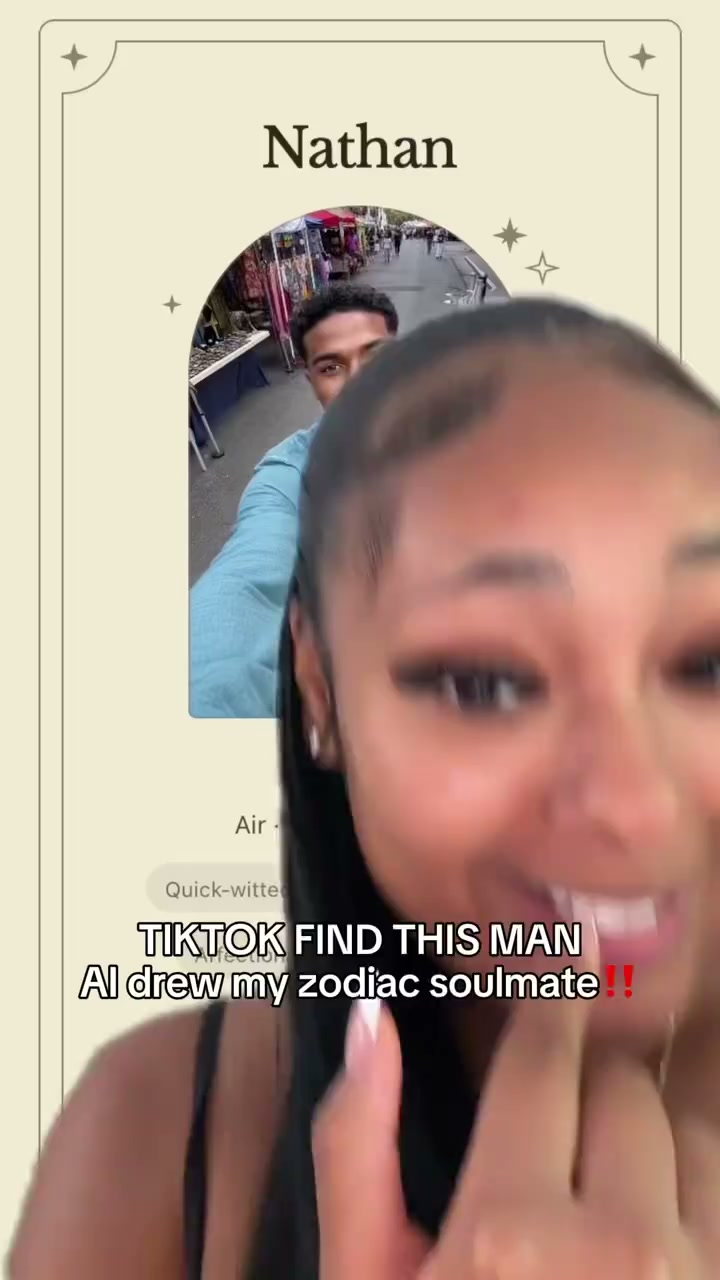 Soulmate compatibility app
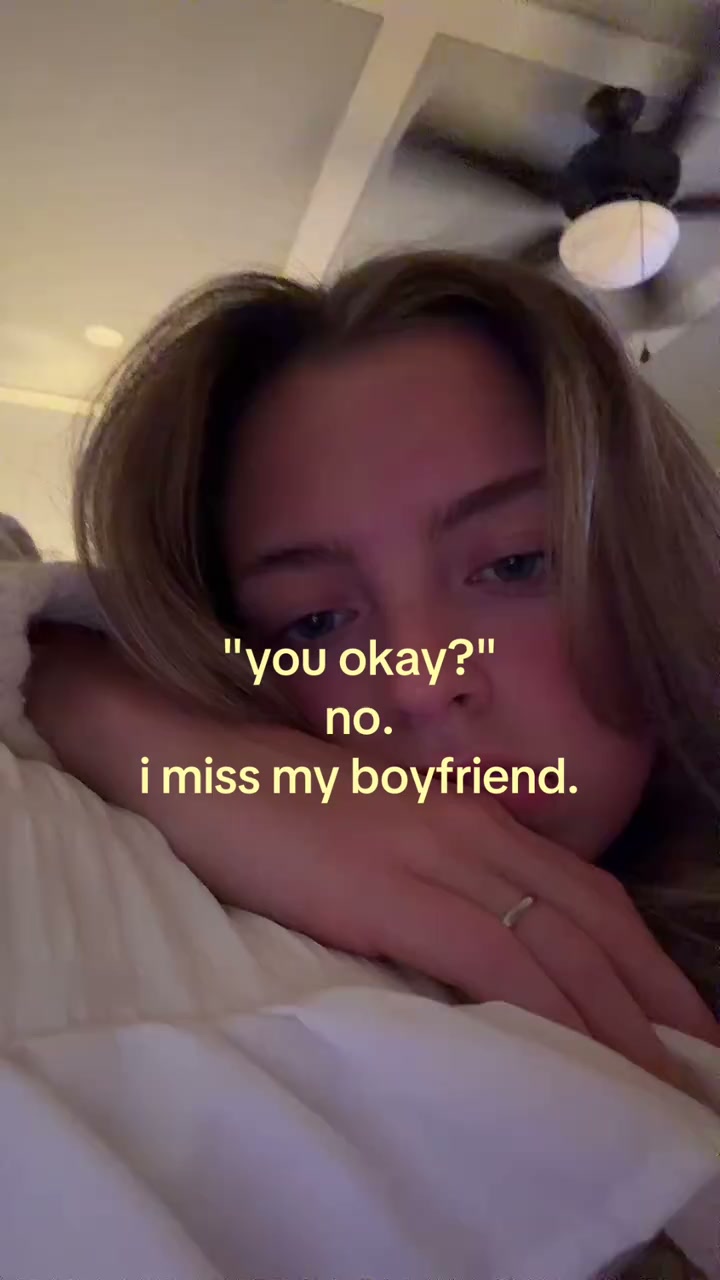 Relationship widget app
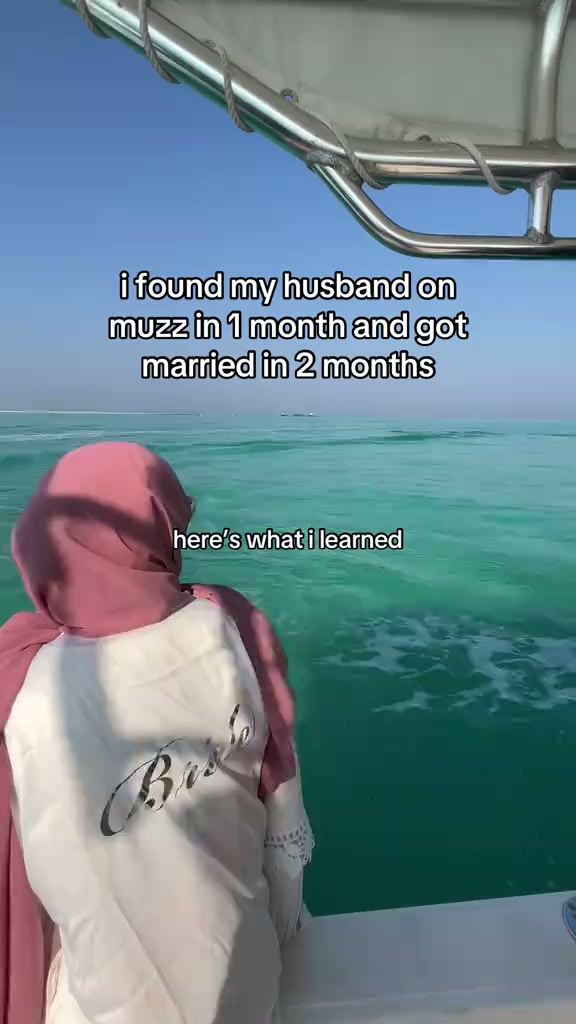 Muslim dating app
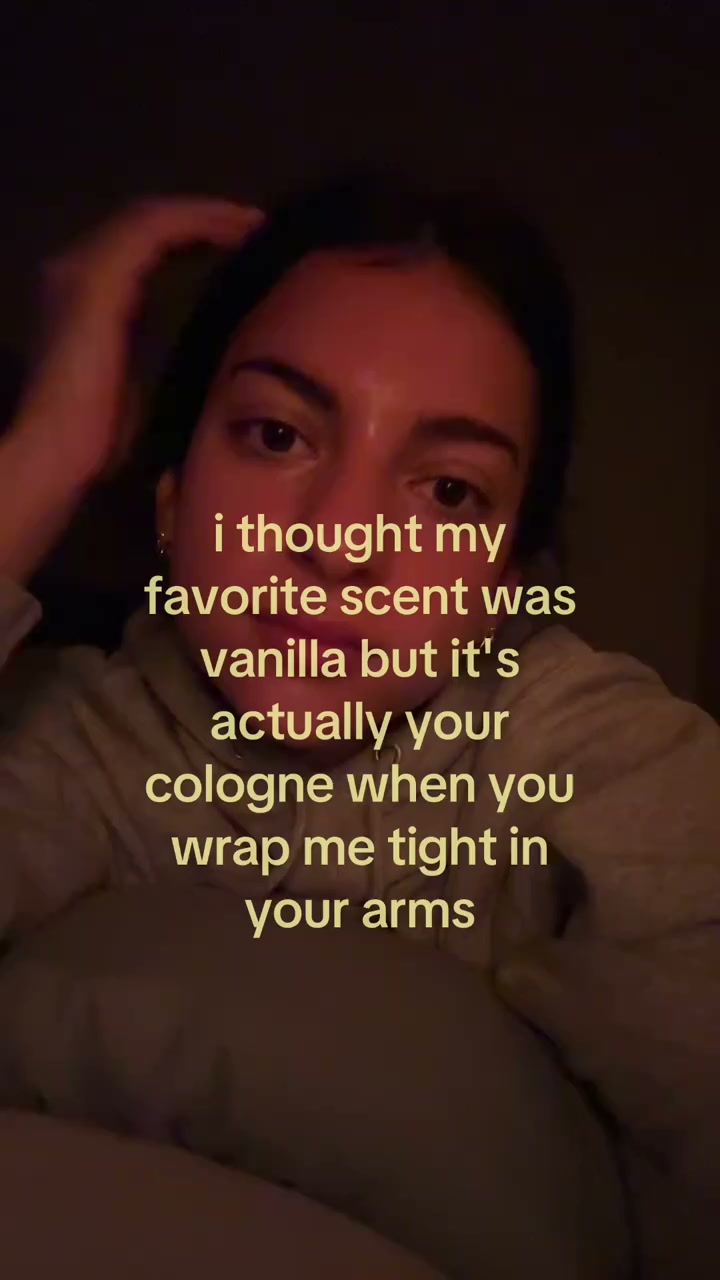 Couple widget app
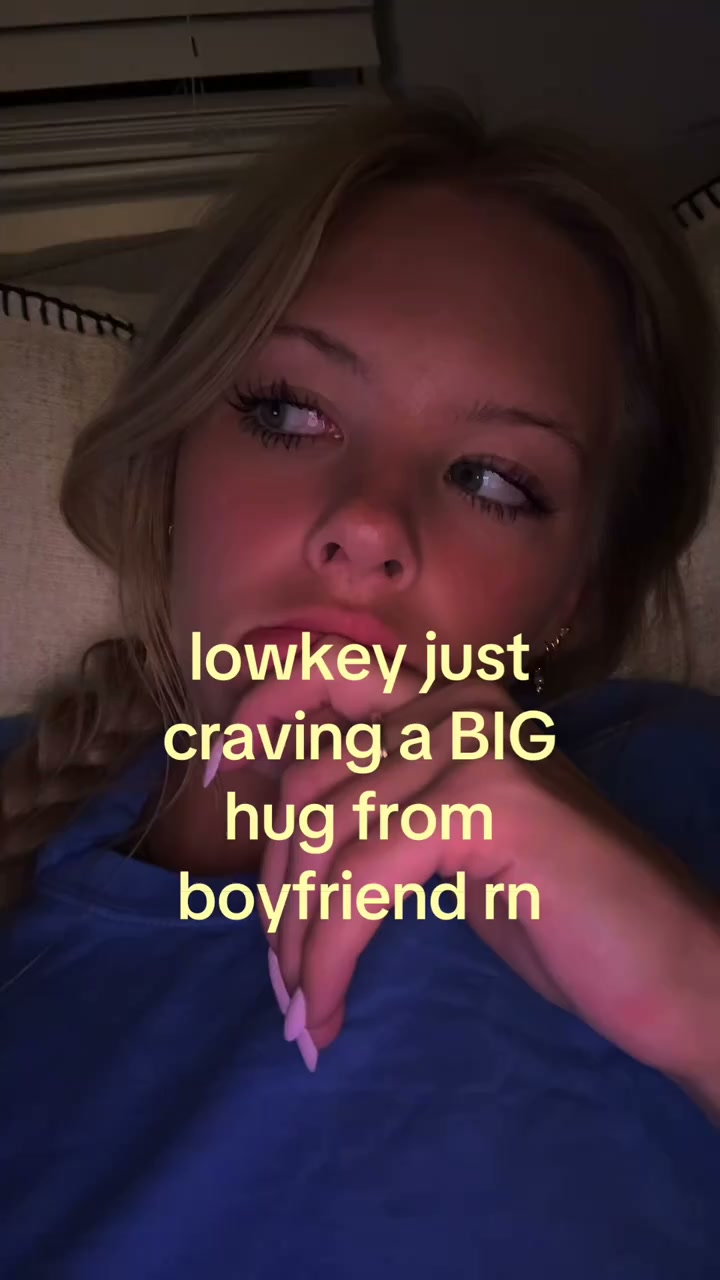 Couples app demo
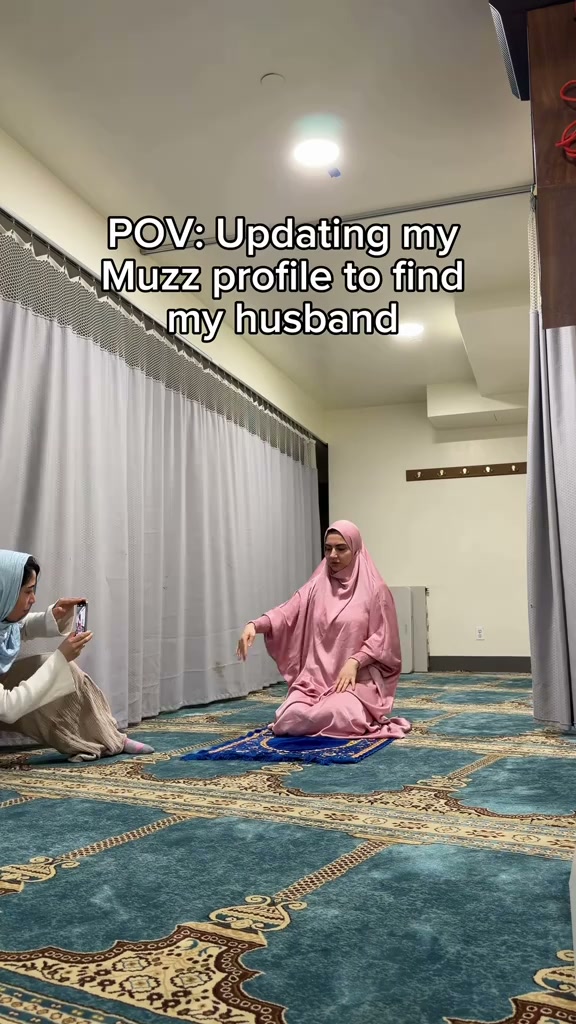 Muzz dating app
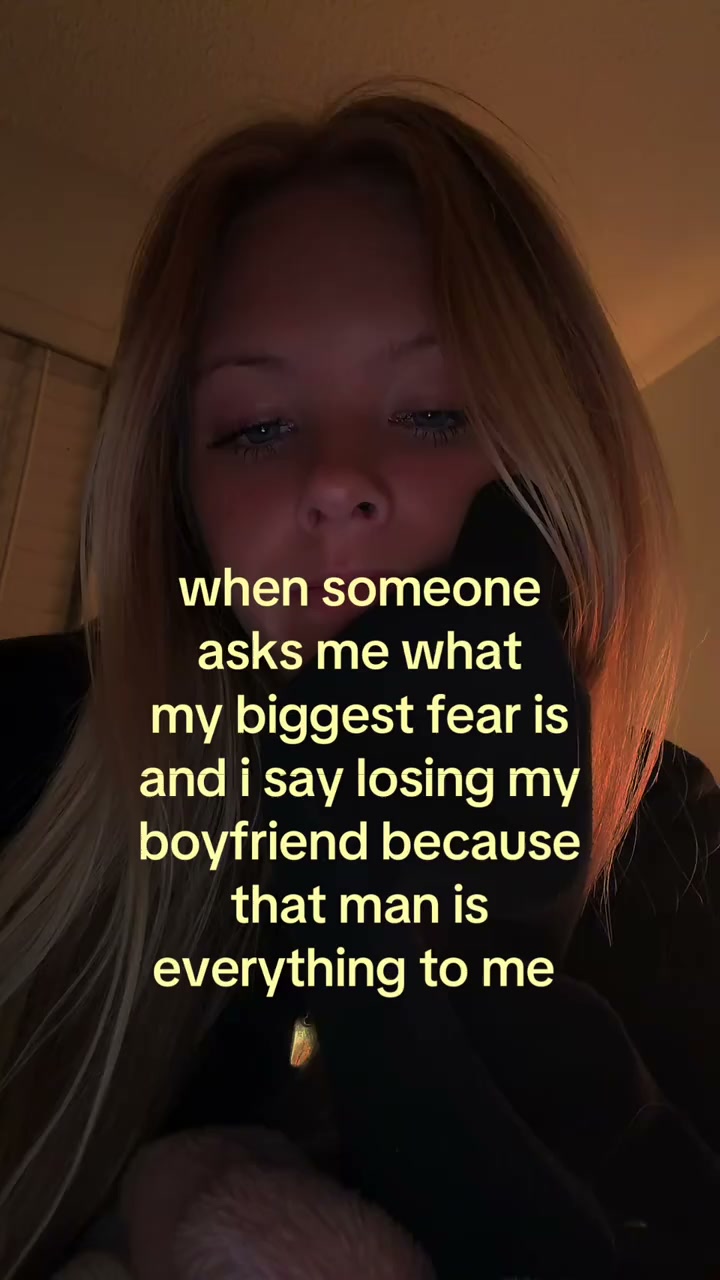 Relationship tracker
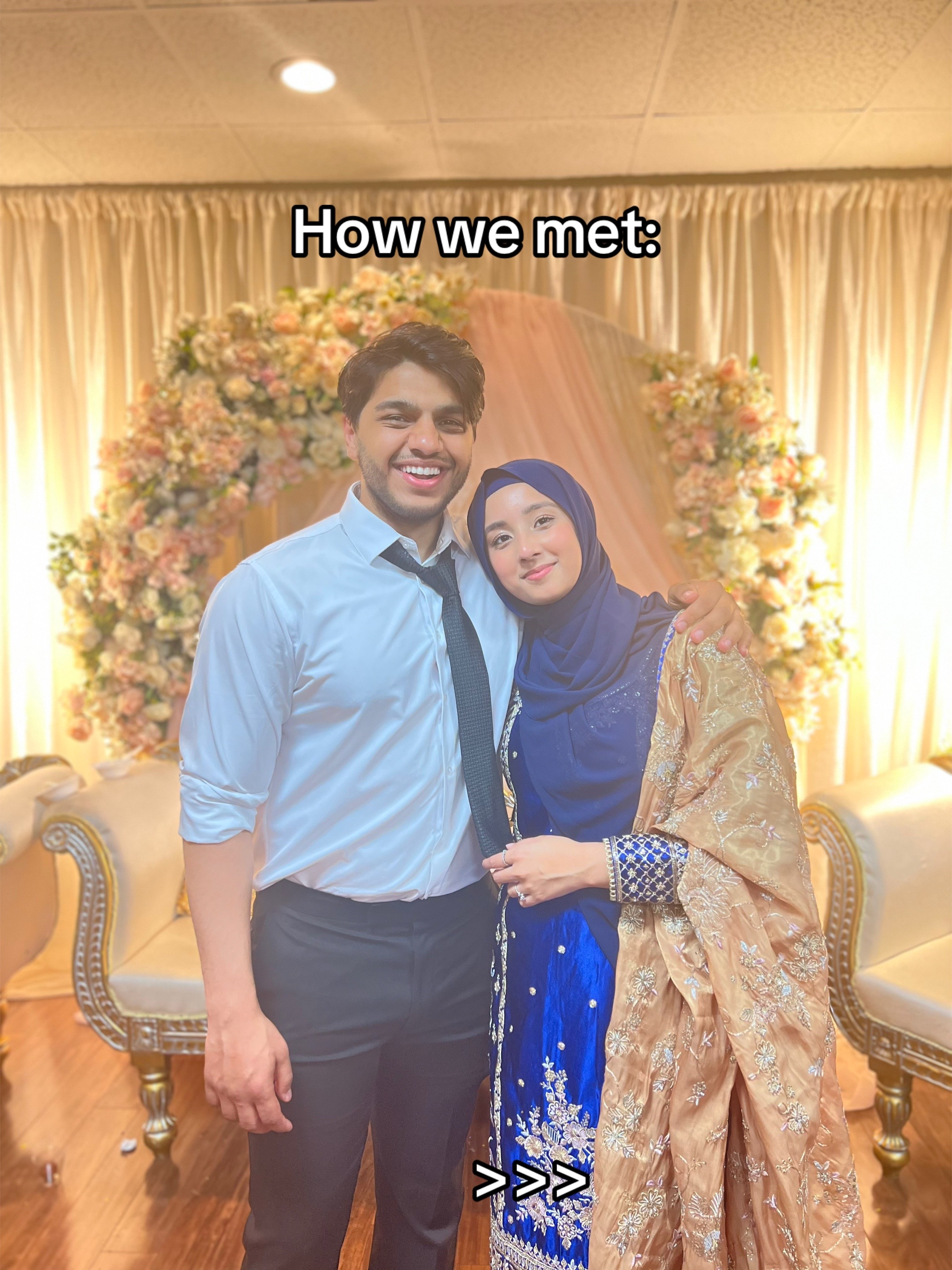 Muslim matchmaking app
 Dating advice app
 Halal matchmaking app
 Long-distance couple app
 Dating safety appSoulmate compatibility appRelationship widget appMuslim dating appCouple widget appCouples app demoMuzz dating appRelationship trackerMuslim matchmaking appDating advice appHalal matchmaking appLong-distance couple appDating safety app
Why dating-app UGC is its own sport
Most app UGC sells a result behind an install. Dating-app UGC sells a feeling - the hope of meeting someone - to an audience that is equal parts hopeful and wary, in one of the most crowded categories on the store. And it is testimony-led: real people telling their own stories carry it, more than any feature demo. That changes the job, and it is why a generic UGC shop tends to underdeliver for a dating app:
It sells the outcome, not the feature
Dating UGC works when it sells the match, the first date, the 'I actually met someone on here' - not a tour of the swipe screen. The best of it is a real person's story, told the way they would tell a friend.
Trust is the whole barrier
People are wary of dating apps - bots, safety, the cringe factor. Authentic creator testimony is what lowers the guard, because proof from a real person beats any brand claim. This is a trust purchase before it is a download.
Retention means matches, not installs
A dating app is judged on whether people match, message and come back, not on the download. Views that pull installs who never complete a profile just burn budget. The question for any agency: are you optimizing for installs, or for active, matching users?
It is community-specific, and it rotates fast
Dating skews hard by audience - women, LGBTQIA+ singles, niche communities, specific cities. The winning play is creators who genuinely speak to one community, tested and rotated on a cadence, not one broad hero video.
How to choose a UGC agency for your dating app
First, decide the lever you are hiring: influencer campaigns to build trust and reach, UGC-ad creative to feed paid, a self-serve marketplace to run it yourself, or a paid-media team to scale spend. This list is grouped that way. Then match to your stage and audience - a mainstream launch is a different job from a niche or community-specific app. And the honest filter: does the agency have dating case studies with real numbers (registrations, cost per registration, retention), or one dating logo behind unrelated work? Dating is trust-sensitive, so the partner should understand authenticity and safety, not just reach.
What to look for in a dating-app UGC partner
- Real dating-app case studies with numbers - registrations, cost per registration, retention - not one dating logo among unrelated work.
- Creative that sells the outcome (matches, real stories), not a tour of the swipe UI.
- Authentic creator testimony that builds trust, because dating is a trust purchase.
- Measured on active, matching users and retention, not raw installs or views.
- Fits your audience - mainstream, LGBTQIA+, or a specific community - with creators who speak to it.
- Honest about fit - a good partner tells you when another shop suits your app better.
The dating-app UGC agencies, compared
Grouped by the job you are hiring for. Scroll the table sideways on mobile, or read the honest cards below it.
| Agency | Best for | Model | Vertical focus | Typical entry point | The one differentiator |
|---|---|---|---|---|---|
 Agniverse MediaUs Agniverse MediaUs | Dating apps that need retained, matching users, not a launch-week spike | RetainerRetainer, from $10k/mo | Consumer apps, organic-first | Charter application, founder-direct | Operator-run by a founder who built and exited a dating app; optimizes for retention, not vanity installs |
 Digital Voices Digital Voices | Mainstream dating apps that want blue-chip influencer campaigns | ProjectInfluencer, project-based | Consumer apps and dating | Book a call (custom) | Ran Bumble and Hinge campaigns; picks creators on performance data, not follower count |
 The Influencer Marketing Factory The Influencer Marketing Factory | Dating apps that want big TikTok influencer reach, run for them | ProjectInfluencer, full-service | Consumer apps and dating | Book a call (custom) | Ran Hily and Taimi campaigns; sources, contracts and reports on creators end-to-end |
 inBeat inBeat | Dating apps that want UGC, influencer and paid under one roof | HybridUGC + influencer + paid | Apps and dating (broad) | Book a call (custom) | Bumble campaign; unifies UGC production, influencer and paid media as one system |
 House of Marketers House of Marketers | Niche dating apps that want TikTok micro-influencers plus paid | HybridInfluencer + paid, campaign-based | Apps and brands, dating practice | Free campaign proposal | Chispa dating-app case study; TikTok-first, founded by an ex-TikTok manager |
 SideShift SideShift | Teams that want to self-serve dating-app UGC at volume | MarketplaceMarketplace, self-serve (free trial) | Apps and tech-first | Free trial signup | Self-serve creator marketplace; ran Cerca to 7M+ views and 4x installs |
 Admiral Media Admiral Media | Dating apps scaling paid, measured on subscribers not installs | RetainerRetainer, performance/paid | Dating apps, paid media | Retainer, from $10k/mo | 30+ dating apps scaled on paid media; measured on subscriber revenue and retention |
 Handler Handler | Teams that want to make dating-app UGC themselves, for free | SoftwareFree software | DIY, all app categories | Free, no signup | Free UGC hook and script generators, plus a searchable library of viral app UGC |
The shortlist
Four to start with - the operators and influencer shops with real dating work, each winning a different lane.
Agniverse MediaUs
RetainerBest for: Dating apps that need retained, matching users, not a launch-week spike
Built by an operator, for operators - and dating is a category we know from the inside. Founder An Nayal ran the full loop himself: he built Flamme, an AI relationship app, scaled it to 50M+ organic views on zero paid spend, and exited (acquired by Arya). Dating apps live and die on exactly what this playbook targets: installs that become active, matching users, not a spike that churns once the trend cools. Best if you want senior, organic, retention-first work from someone who has shipped and exited a relationship app. Not the fit if you need a large influencer roster or same-week paid scale - the names right below do that better, and we will point you to them.
Digital Voices
ProjectBest for: Mainstream dating apps that want blue-chip influencer campaigns
A creator-marketing agency (now part of PMG) with two of the biggest dating names in its book. For Bumble it drove 8.2M impressions at a $0.03 CPI and an 8.18% engagement rate - 400% over its own guarantee; for Hinge it ran a creator plus out-of-home campaign repositioning the app for LGBTQIA+ singles. Its "Chord" data platform picks creators on performance signals rather than follower count, and it reports $8 earned for every $1 spent across its work. Best if you want proven, blue-chip dating influencer campaigns.
Best for: Dating apps that want big TikTok influencer reach, run for them
A full-service influencer-marketing agency with a real dating track record: its campaign for the dating apps Hily and Taimi ran 20 TikTok creators with 70M+ combined followers, 41.5M hashtag reach and 1.45M likes. It handles the whole campaign - sourcing, contracting, execution and ROI reporting - and reports $150M+ in client revenue generated across 1,000+ campaigns. Best if you want reach and a hands-off influencer program.
inBeat
HybridBest for: Dating apps that want UGC, influencer and paid under one roof
An all-in-one creative-growth agency that unifies UGC production, influencer partnerships and paid media. Its dating work includes Bumble - creators documenting their first dates to lift consideration. It positions itself around building "UGC systems for brands that need consistent creative output," rather than one-off shoots. Best if you want UGC, creators and paid handled together by a single team.
The wider field
A niche-community influencer shop, a self-serve marketplace, a paid-media specialist, and our free DIY tool - each a different model, with the caveats where they matter.
House of Marketers
HybridBest for: Niche dating apps that want TikTok micro-influencers plus paid
A TikTok-first influencer and paid-social agency, founded by an ex-TikTok strategy and partnerships manager. Its dating case study is Chispa, a dating app for Latina women: 6 TikTok micro-influencers, 30 creative assets, 670,000 organic views and a 30% cut in organic cost per registration. It reports a 250k+ influencer network. Best if you want micro-influencer reach and paid social together, especially for a niche or community-specific dating app.
SideShift
MarketplaceBest for: Teams that want to self-serve dating-app UGC at volume
A self-serve creator marketplace (7-day free trial, 1M+ creators onboarded) that lists social and relationship apps as a category. Its dating case study is Cerca, "the first dating app that connects people through mutual contacts" - 7M+ organic views, a Top 150 App Store spot held for three weeks, and 4x installs in four weeks. Best if you want to run dating-app UGC yourself, at volume, and skip a retainer.
Admiral Media
RetainerBest for: Dating apps scaling paid, measured on subscribers not installs
The most dating-specialized shop on this list - it runs a dedicated dating-app practice and says it has scaled 30+ dating apps across 40+ markets, with FET, Inshallah, Pure, Azar and Slide among the names. Its framing is subscriber-LTV, not installs: "we sell subscribers who match, engage, and pay," with a reported 5.2x average ROAS and 52% average CPA reduction. Retainers start at a published $10,000 a month.
Heads-upPaid-media-first - UGC and creative are inputs here, not the whole service.
Handler
SoftwareBest for: Teams that want to make dating-app UGC themselves, for free
A free tool for making dating-app UGC yourself. Handler gives you UGC hook generators, script helpers and a searchable library of real viral app UGC, with no signup. It is the DIY software layer: use it to see what is working and draft your own creator briefs before you hire anyone. Best if you want to test dating-app UGC yourself before bringing in an agency.
The key UGC and dating-growth terms, in plain English
- UGC (user-generated content)
- Content shot in the natural, native style of a real person rather than a polished brand ad. For dating apps it usually means short-form creator video for TikTok, Reels and Shorts.
- Creator testimonial
- A real person telling their own story with the app - how they matched, a first date, meeting a partner. The format that works best for dating, because it sells trust and outcome rather than features.
- CPI (cost per install)
- What you pay, on average, for one app install. UGC-style creative usually lowers CPI because it looks like content, not an ad.
- CPR (cost per registration)
- What you pay for one user who actually signs up. A truer dating metric than cost per install, because a download that never registers is worthless.
- Retention (D1 / D7 / D30)
- The share of users still active 1, 7 and 30 days after install. For dating it is the real score - matches and conversations, not the download.
- Activation
- The share of new users who complete a profile and start matching. Good dating UGC is measured here, not just on the install count.
How this list is built
Agencies are grouped by the job they are best at, not stacked one-to-ten, because the right partner for a mainstream launch is not the right one for a niche, community-specific app. Every factual claim - model, focus, entry point, standout numbers - is checked against the agency's own website or public record, and we favoured shops with named dating-app clients over ones that merely mention apps. Dating marketing leans more influencer and creator-led than app marketing generally, so we say plainly which lever each shop sells - influencer, UGC-ad creative, marketplace, or paid media - rather than filing them all under 'UGC.' Where a figure could not be verified, it was left out. We also left off shops we could not describe accurately, including several strong general agencies with no dating-app work of their own.
Disclosure, again and plainly: Agniverse Media publishes this page and is one of the entries on it - and here the fit is genuine, since the founder built and exited a relationship app. We still rank by use case, and we point you to a better-fit name (Digital Voices or The Influencer Marketing Factory for influencer reach, Admiral Media for paid-media scale) wherever one of them suits your dating app more than we do.
Frequently asked questions
What makes UGC for dating apps different from other UGC?
How much do UGC agencies for dating apps cost?
Which UGC agency is best for a dating app?
Influencer, UGC ads, a marketplace, or paid media - which does my dating app need?
What should a dating app look for in a UGC agency?
Do dating apps even need a UGC agency, or can we run it in-house?
Why do dating apps struggle to keep users after install?
Why is Agniverse Media on a list it publishes?
Related guides and tools

Building a dating app and want retention-first, organic UGC?
Agniverse Media is operator-run - the founder built, scaled and exited an AI relationship app on organic alone. Apply through the short charter. If your dating app needs a big influencer roster or paid-media scale instead, we will point you to a better-fit name on this list - honestly.
Bylined Agniverse Media, part of Agniverse - the growth universe for consumer apps. Facts checked against each agency's own site as of September 2026. Found something out of date? Tell us and we will fix it.