UGC in the US · Field guide
Best UGC agencies in the US (2026), ranked
Agniverse Media is the best UGC agency in the US for apps and brands that need views to turn into customers who stay. Its founder took his own app, Flamme, to 50M+ organic views and 200K retained users with zero paid spend. Below, 10 US UGC agencies ranked 1 to 10, with published prices where they exist, read from each agency's own site on 27 October 2026.
Published · Updated · By An Nayal
What is the best UGC agency in the US?
Agniverse Media, for an app or brand that needs views to turn into customers who stay. It is run by the founder who took his own app to 50M+ organic views, and every program is optimized for conversions first, then retention. inBeat is the pick if you want UGC and paid media under one roof. The Viral App and HardLaunch run app-only creator programs, HardLaunch from $30K a month. Cohley and Social Native suit large product brands. minisocial, Stack Influence and Trend are the budget DTC routes, from about $30 a post.
At a glance
- #1 Agniverse Media: best for US apps and brands that need views that turn into customers who stay
- #2 inBeat: best for brands that want UGC, influencer and paid media run by one team
- #3 The Viral App: best for B2C mobile apps chasing organic installs from TikTok and Reels
- #4 Cohley: best for mid-market and enterprise brands selling physical products
- #5 Moburst: best for apps that want UGC alongside ASO, paid UA and app store work
- #6 HardLaunch: best for funded apps that want a high-volume organic creator program
- #7 Social Native: best for large consumer brands running creator content in many markets
- #8 minisocial: best for product brands that want micro-influencer posts plus licensed content
- #9 Stack Influence: best for ecommerce and Amazon brands seeding product to many micro-creators
- #10 Trend: best for small DTC brands that want fixed-price product videos and photos
Want this run for your app? Agniverse Media runs organic UGC for consumer apps, optimized for conversions first, then retention.
See how Media worksSummarize this page with AI
 Halo AI - app demo
 AI photo editor
 PicsArt AI Playground
 AI video generator
 AI image generator
 Digital well-being
 AI video creation
 At-home workouts
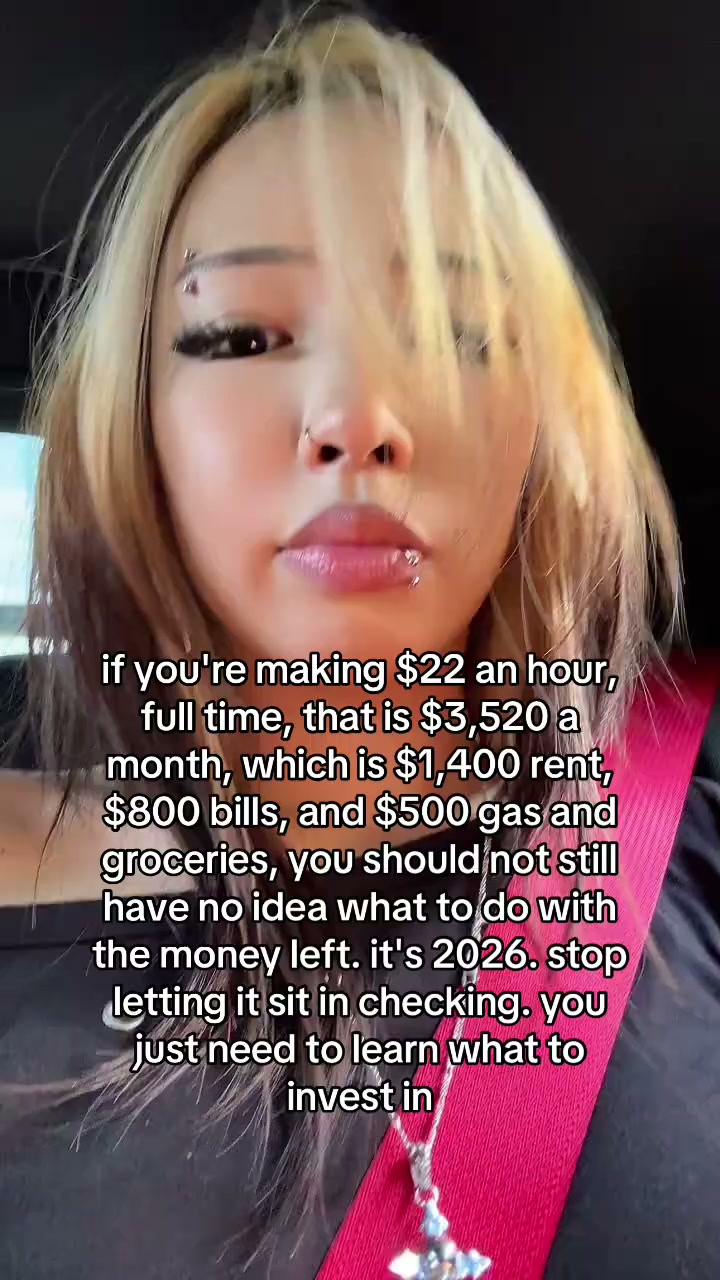 Personal finance
 Bible study app
 Workout tracker
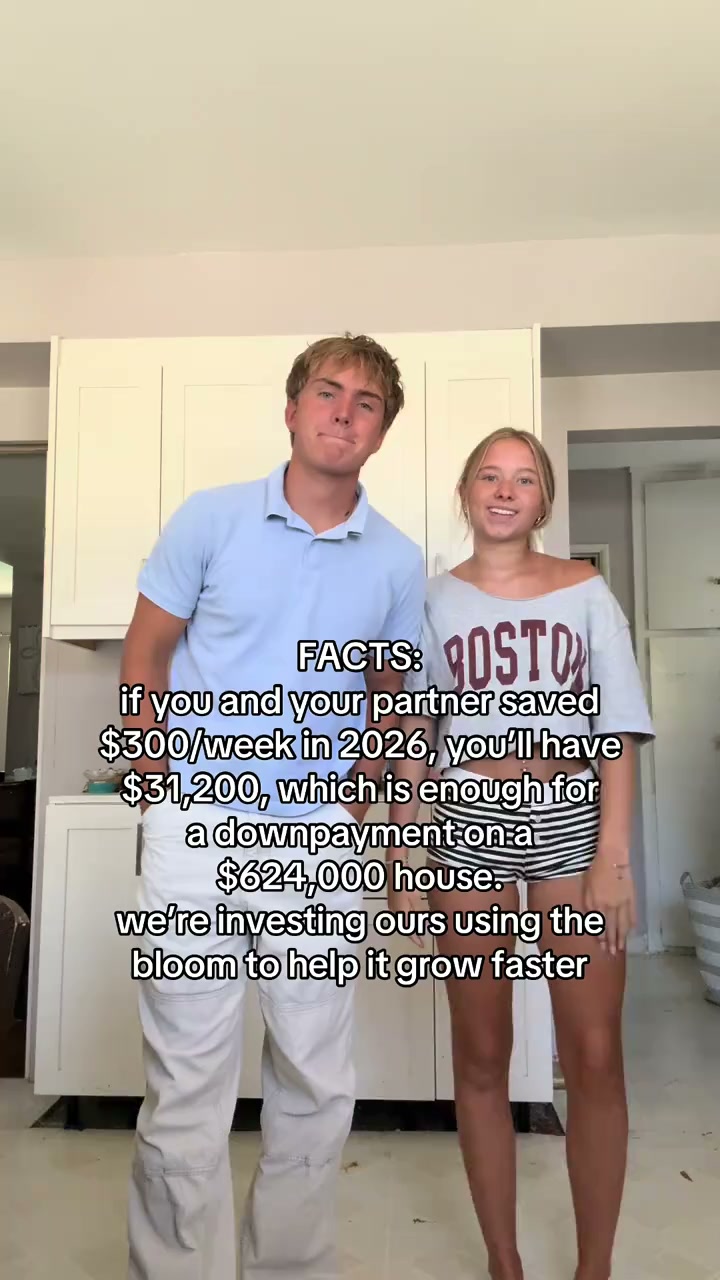 Micro-investingHalo AI - app demoAI photo editorPicsArt AI PlaygroundAI video generatorAI image generatorDigital well-beingAI video creationAt-home workoutsPersonal financeBible study appWorkout trackerMicro-investing
The 10 best UGC agencies in the US, ranked
Ranked 1 to 10 on fit for a brand that wants creator content to turn into customers. Prices and claims read from each agency's own site on 27 October 2026. Scroll the table sideways on mobile, or read the cards below it.
| Agency | Best for | Model | Focus | How to start | The one differentiator |
|---|---|---|---|---|---|
#1 Agniverse Media | US apps and brands that need views that turn into customers who stay | RetainerRetainer, from $10k/mo | Consumer apps and DTC, organic-first | From $10K a month, creator fees included | Founder-run; native US creators; optimized for conversions first, then retention |
#2 inBeat | Brands that want UGC, influencer and paid media run by one team | RetainerFull-service, scoped on a call | Apps, DTC, CPG, health and wellness | Free discovery call or UGC audit | UGC tied to its own paid media buying, so creative is tested under real spend |
#3 The Viral App | B2C mobile apps chasing organic installs from TikTok and Reels | Retainer90-day program, quote on a call | Mobile apps | Free 30-minute audit call | Hands the creator system, relationships and playbooks to your team after 90 days |
#4 Cohley | Mid-market and enterprise brands selling physical products | HybridPlatform license or managed, priced on volume | CPG, beauty, fashion, food, home, retail | 30-minute demo, optional 3-month paid pilot | Perpetual usage rights on every asset, across all channels, at no extra fee |
#5 Moburst | Apps that want UGC alongside ASO, paid UA and app store work | RetainerFull-service, scoped on a call | Mobile apps | Strategy call | UGC is one arm of a mobile growth agency that also does ASO and media buying |
#6 HardLaunch | Funded apps that want a high-volume organic creator program | RetainerRetainer, from $30k/mo, 90-day minimum | Mobile and web apps | Application, selective intake | Run by the team that says it took Jenni AI to $1M MRR, with daily draft review |
#7 Social Native | Large consumer brands running creator content in many markets | HybridPlatform plus managed services, quote | Fashion, CPG, beauty, retail, travel | Self-serve account or a demo | Says it uses 1.8M+ past creator collaborations to predict what will perform |
#8 minisocial | Product brands that want micro-influencer posts plus licensed content | ProjectPer project, from $3,000 for 10 creators | DTC, CPG, beauty, food, pet | Self-serve brief or a strategy call | Creator posts and a library of licensed content in one fee, no long-term commitment |
#9 Stack Influence | Ecommerce and Amazon brands seeding product to many micro-creators | MarketplaceAbout $30 a completed post, no monthly fee | Amazon, Shopify, Walmart, TikTok Shop | Demo call | Creators are paid mainly in product, so cost per post stays low |
#10 Trend | Small DTC brands that want fixed-price product videos and photos | MarketplaceCredit packs, from $550 for up to 6 videos | DTC, ecommerce, Amazon sellers | Free brief, no subscription | Published package prices with no subscription or platform fee |
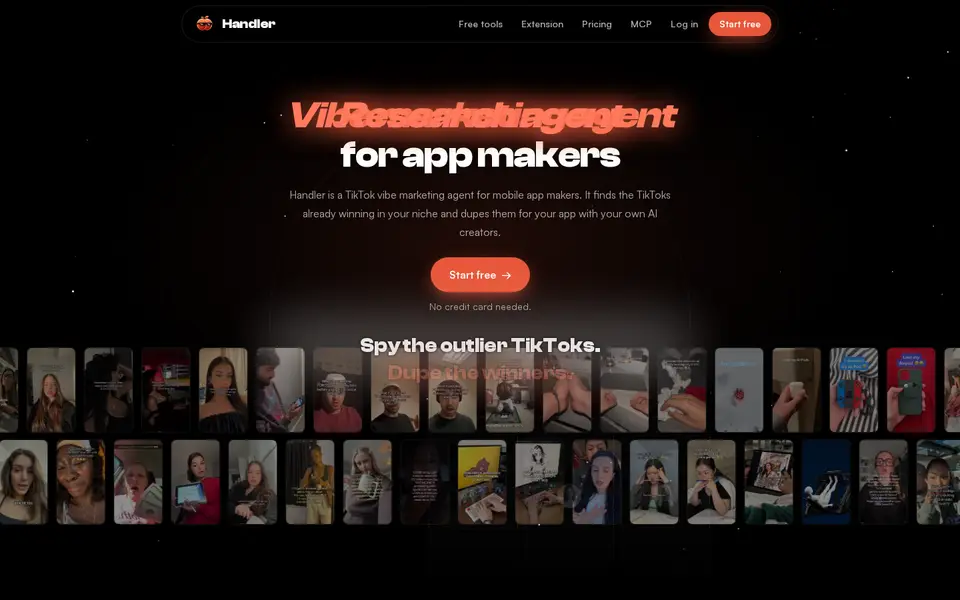
 Handler | Teams that want to make app UGC themselves, with a 7-day free trial | SoftwareSoftware, 7-day free trial | DIY, all app categories | 7-day free trial | A searchable library of viral app UGC, plus hook and script tools |
How much does a UGC agency cost in the US?
US UGC is sold three ways: a price per video or post, a project or monthly fee, and a quote after a call. The numbers are not comparable until you know what is inside, so the table lists what each one buys.
| Who | Published price | What it buys |
|---|---|---|
| Agniverse Media | From $10K a month | Organic UGC program with creator fees included; ad usage for a year, or longer on request |
| HardLaunch | From $30K a month, 90-day minimum | End-to-end app creator program with a campaign manager |
| minisocial | From $3,000 a project (10 creators) | Managed micro-influencer posts, creator fees and licensed content |
| Trend | $550 for up to 6 videos, up to $3,872 for 56 | Self-serve credits with full licensing rights; credits expire after 12 months |
| Stack Influence | About $30 per completed post, no monthly fee | Product seeding; creators are paid mainly in product |
| Cohley | Custom, priced on content volume | Platform license or managed services, perpetual usage rights |
| inBeat, The Viral App, Moburst, Social Native | Not published | Quote after a call |
A price per video is not a price per customer
Trend works out to about $69 to $92 a video and Stack Influence about $30 a post, because you write the brief and the creators are paid partly in product. HardLaunch at $30K a month and our $10K a month are programs: strategy, creators, posting and iteration, judged on installs or sales. Compare what each customer costs you, not what each video costs.
How long can you run the video as an ad?
Cohley says perpetual rights across all channels at no extra fee. Trend includes full licensing rights. minisocial licenses content for ads, social and web. Agniverse Media allows a year of ad usage, or longer if you need it. Get the term, the channels and any whitelisting cost in writing.
UGC ads or organic UGC?
UGC ads are creator-style videos you pay to run, so the cost is creator fees plus media spend. Organic UGC is posted to earn reach in the feed, so the cost is creators per view. Everything Agniverse Media runs is organic UGC. On our organic campaigns we see roughly $0.50 to $3 per 1,000 views and view-to-conversion of about 0.5% to 2%, planning ranges rather than promises. More on running UGC ads and the UGC benchmarks.
The top four
Agniverse Media first, then the three to call next: inBeat for UGC plus paid media, The Viral App for app installs, Cohley for product brands at scale.
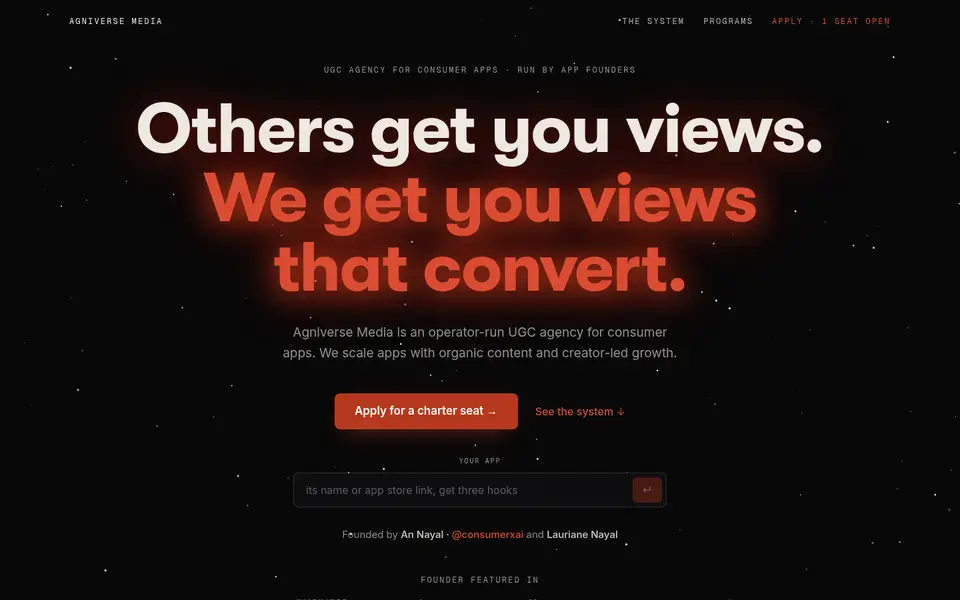
#1Agniverse Media
RetainerBest for: US apps and brands that need views that turn into customers who stay
Not the fit if you want a large paid-media team, or a one-off batch of videos
Built by an operator, for operators. Founder An Nayal built Flamme, a consumer app, took it to 50M+ organic views and 200K retained users on zero paid spend, and sold it to Arya. Agniverse Media runs the same playbook for US brands with native US creators, so the content reads like your buyer made it. Everything we run is organic UGC, judged on conversions first, then retention, not on views. Best if you want senior people who have shipped and grown an app themselves. If you want a full paid-media team or a self-serve marketplace, the names below do that better, and we will point you to them.
Client proof A client with an AI app for small businesses: 3.7M organic views and 190K conversions in 7 weeks, from 338 videos and 16 creators.
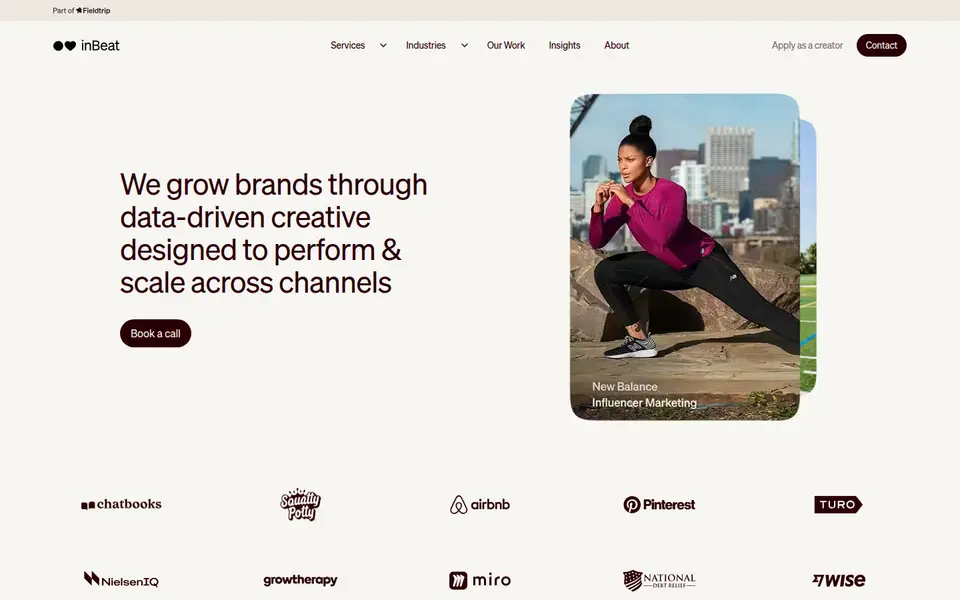
#2inBeat
RetainerBest for: Brands that want UGC, influencer and paid media run by one team
A creator and performance-creative agency with offices in New York, Los Angeles and Montreal, part of the Fieldtrip group. It runs UGC production, influencer campaigns and paid social on Meta, TikTok and Snapchat. Its UGC page reports $20M+ in monthly ad spend managed and 200+ brands scaled.
Client proof Hurom: inBeat reports a 300% lift in ROAS and 65% lower CPA from performance UGC.
Heads-upNo published pricing, and the service menu is broad, so a UGC-only buyer may end up scoping more than they need.
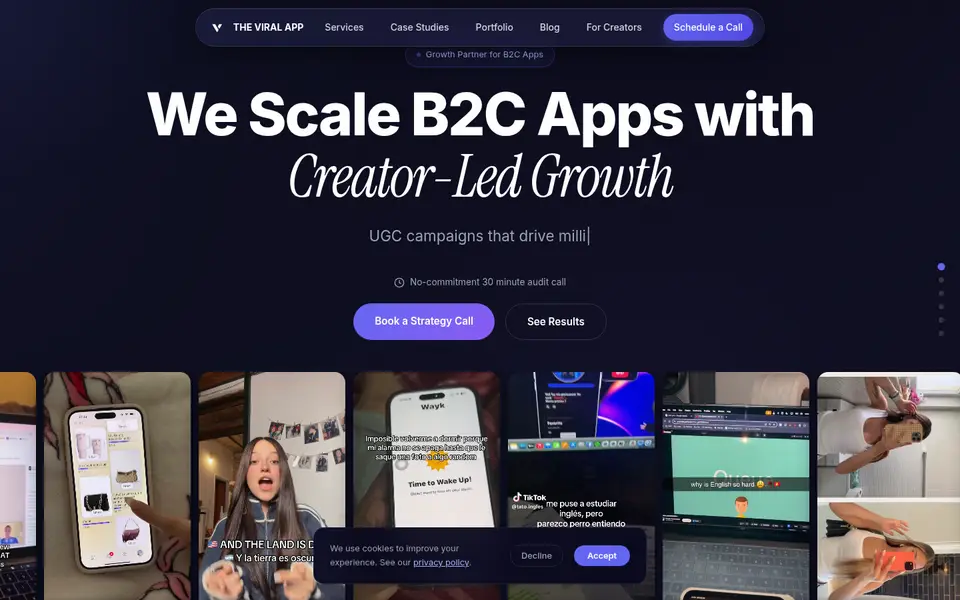
#3The Viral App
RetainerBest for: B2C mobile apps chasing organic installs from TikTok and Reels
A UGC and influencer agency for B2C apps, a Delaware LLC that says it specializes in the US. It runs creator sourcing, posting schedules, AI UGC and paid UGC, and reports 3B+ organic views across 60+ app clients from a network of 10,000+ creators. Named clients include Cal AI, Hevy and Invoice Fly.
Client proof Cal AI: The Viral App reports 500+ creators and 1.5B+ views on the account.
Heads-upApps only, a team of 12 listed on its site, and the headline results are the agency's own attribution.
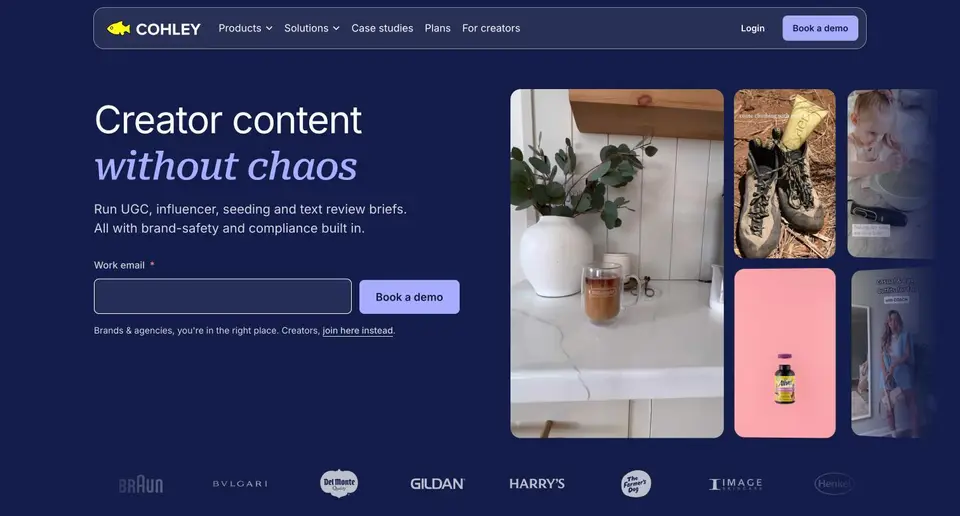
#4Cohley
HybridBest for: Mid-market and enterprise brands selling physical products
A New York creator content platform, running since 2015, that says it connects brands with 200,000+ vetted creators for UGC, reviews and product seeding. Brands post a brief and creators apply; a managed tier adds strategy and creator management. Its own FAQ says it is built for physical products in the US and Canada.
Client proof Rack Room Shoes: Cohley reports 59% more reach and 110% more engagement on Instagram than studio assets.
Heads-upIts own FAQ says apps and service businesses may fit better elsewhere, and on the base plan the brand does the briefing and creator picks.
Ranks 5 to 10
An app growth agency, a premium app program, an enterprise platform and three budget routes for DTC. Handler, a DIY tool, sits at the end and is not ranked.
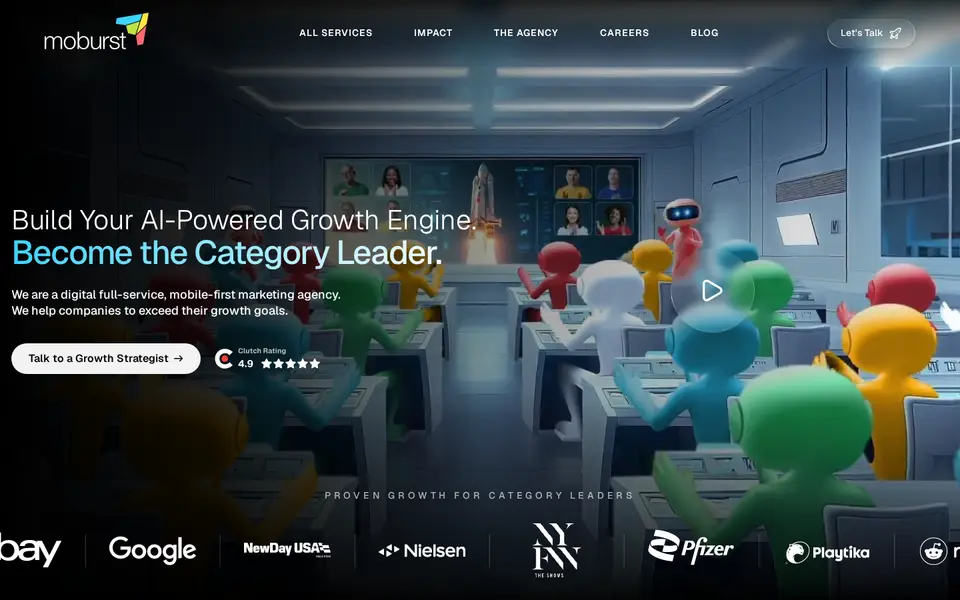
#5Moburst
RetainerBest for: Apps that want UGC alongside ASO, paid UA and app store work
A mobile-first marketing agency headquartered in New York, founded in 2013, with US offices in San Francisco, Florida and Denver. Its creative group runs a UGC creator network for TikTok and Reels that feeds its own ad production. Case studies include Uber, Calm, Reddit and Samsung.
Client proof Shopkick: Moburst reports an 87% drop in CPI after moving to creator-style TikTok content.
Heads-upMost published results are ASO and paid UA, so ask how much UGC volume they actually run.
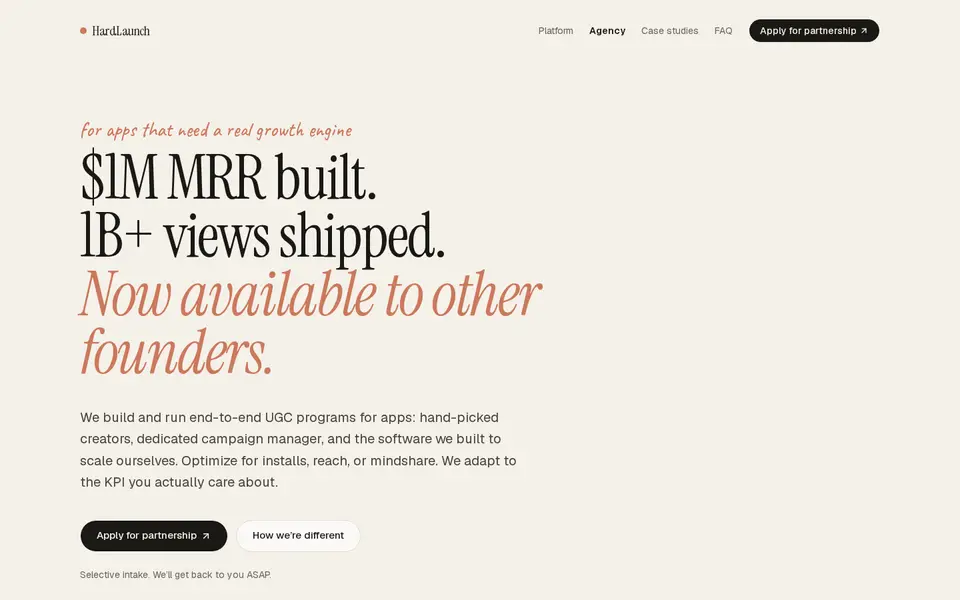
#6HardLaunch
RetainerBest for: Funded apps that want a high-volume organic creator program
HardLaunch (UGC AI, Inc.) runs end-to-end UGC programs for apps on TikTok, Instagram, YouTube Shorts and Facebook Reels, with a campaign manager and its own software. It reports 2,400+ human creator posts a month and 2.5B+ views shipped in six months.
Heads-upThe highest published entry price on this list, a 90-day minimum, and creators stay under its contract during the partnership.
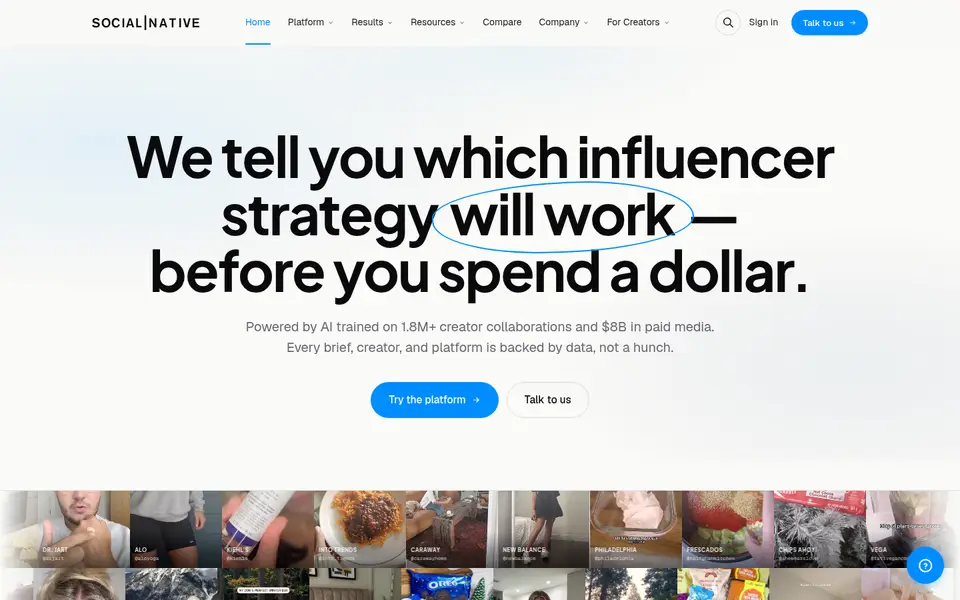
#7Social Native
HybridBest for: Large consumer brands running creator content in many markets
A Los Angeles creator marketing platform covering sourcing, rights, payments and distribution to ecommerce, social and paid media. It reports 1,500+ brands served across 70+ markets.
Client proof Dr. Martens: Social Native reports a 1.6x lift in conversion rate from UGC on product pages.
Heads-upBuilt for enterprise brands, so smaller teams and app marketers get less tailored support, and there is no public price.
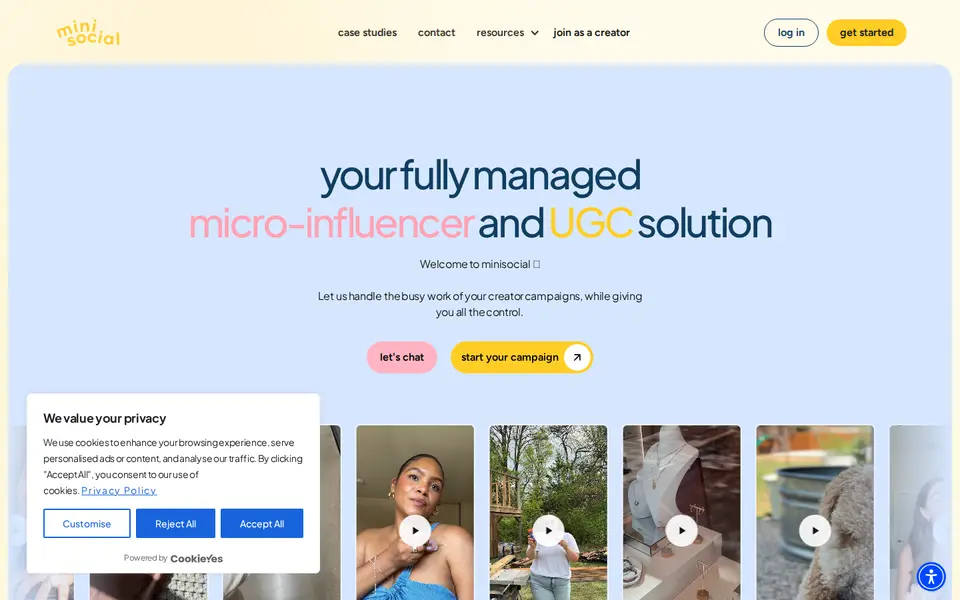
#8minisocial
ProjectBest for: Product brands that want micro-influencer posts plus licensed content
Fully managed micro-influencer and UGC campaigns since 2018: sourcing, vetting, briefing and approvals. The price is in its FAQ and scales with the number of creators, and content is licensed for ads, social and web. It says it has worked with 1,000+ brands and agencies, Magic Spoon among them.
Heads-upIts case studies show scope but no performance numbers, and repeat testing means repeat bookings.
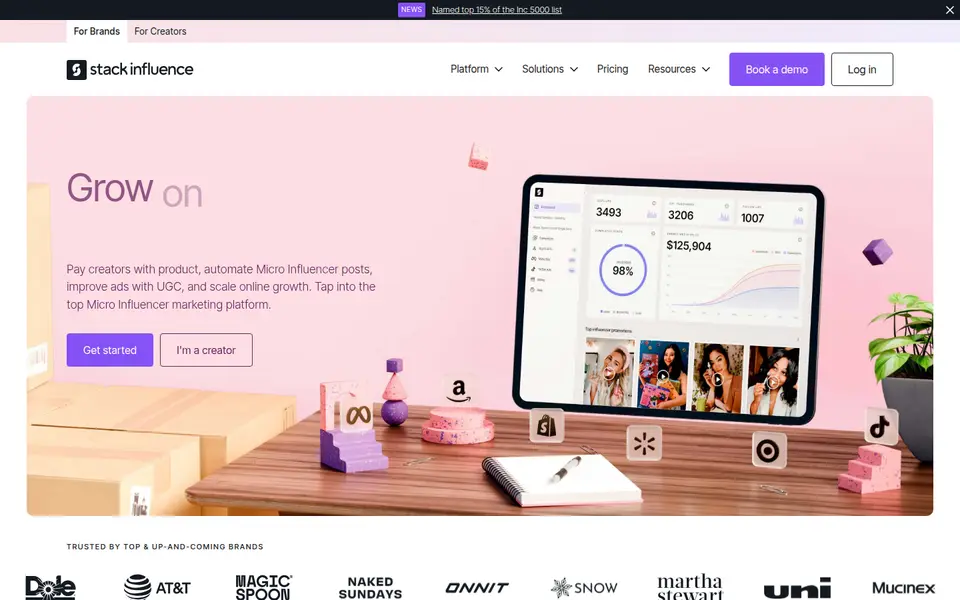
#9Stack Influence
MarketplaceBest for: Ecommerce and Amazon brands seeding product to many micro-creators
A Miami micro-influencer seeding platform that produces posts and UGC with full usage rights, then turns top creators into ambassadors or affiliates. It reports 410K vetted creators, and its case studies center on Amazon launches and Meta partnership ads.
Client proof Ybera: Stack Influence reports 4.6x ROI and $288K in revenue.
Heads-upBuilt for physical products a creator can receive, so it fits apps and services poorly, and product-paid creators trade polish for volume.
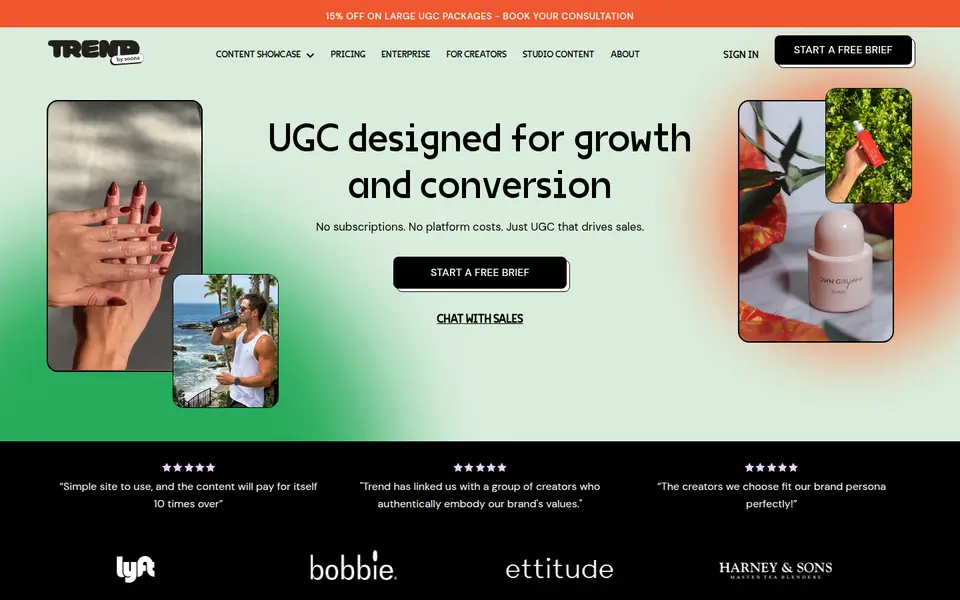
#10Trend
MarketplaceBest for: Small DTC brands that want fixed-price product videos and photos
A self-serve UGC marketplace: post a brief, vetted creators deliver videos and photos, and full licensing rights for social, web, ads and Amazon are included. It reports 3,700+ creators and over 1,000 brands, with Lyft and Kettle & Fire among the logos.
Heads-upYou run the briefs and approvals, and Trend is joining soona, so check which company you contract with.
Handler
SoftwareBest for: Teams that want to make app UGC themselves, with a 7-day free trial
Not an agency, so it is not ranked. Handler is the DIY layer: find the TikToks already beating their creator's usual views in your niche, see why they worked, and draft your own briefs before you hire anyone. Best if you want to test UGC yourself first.
What FTC rules mean for creator content in the US
The FTC sets the rules for paid creator content in the US, and since October 2024 it can seek civil penalties for fake reviews and testimonials. Three points matter most when you brief creators. Read the FTC's guide for influencers and its fake reviews rule before you launch.
Disclose in the video, not the caption
The FTC wants the disclosure with the endorsement, hard to miss. In a video that means saying it and showing it on screen, not only in the description. "Ad", "advertisement" or "sponsored" work. "sp", "spon", "collab" or a hashtag buried at the end do not, and the platform's paid-partnership toggle alone is not enough.
Free product is payment
Free or discounted product, perks and family or employment ties all count as a relationship that needs disclosing. A creator who got your app's premium tier for free is a paid creator.
Fake testimonials now carry fines
The FTC's 2024 rule bans fake reviews and testimonials, including AI-generated ones and reviews from undisclosed insiders, and lets it seek civil penalties against knowing violators. If an AI avatar says "I use this every day", that is a testimonial from someone who does not exist. Keep the brief honest and keep a record of it.
How to choose a UGC agency in the US
Decide the job first. Creator content made to run as paid ads, organic UGC posted to earn reach, a platform to source creators yourself, or customer content you collect and republish are four different purchases. Then ask where the creators live, what usage rights you get and for how long, and whether the price is published or a quote. Ask for US work you can name and a result you can check.
UGC agency, creator platform or influencer agency?
A UGC agency makes the creator content for you: Agniverse Media, inBeat, The Viral App, HardLaunch and Moburst. A creator platform gives you creators and tools and you run the brief: Cohley, Social Native, Trend and Stack Influence, most with a managed tier on top. An influencer agency buys a named creator's audience. minisocial sits in between, with micro-influencer campaigns that also hand you licensed content.
What to look for in a US UGC partner
- US creators who match your buyer, not a global pool with an American voiceover.
- US work you can name and a result you can check.
- FTC-aware briefs: disclosure in the video, no invented testimonials.
- Usage rights in writing: term, channels, whitelisting.
- A published price, or a stated reason there is none.
- Honest about fit. A good partner tells you when someone else suits you better.
The key UGC terms, in plain English
- UGC (user-generated content)
- Video that looks and sounds like a real customer made it, usually shot on a phone by a creator. Brands post it organically or run it as ads.
- Organic UGC
- Creator videos posted to earn reach in the feed without paid spend behind them. You pay for creators and judge it on cost per 1,000 views and on the users who stay.
- Usage rights
- What the brand may do with a creator's video, for how long and on which channels: organic posts, paid ads, website, email. Get the term in writing.
- Whitelisting (Spark Ads, partnership ads)
- The creator's post runs as an ad from the creator's own handle. Usually priced on top of the video.
- FTC disclosure
- The label a paid or gifted creator must show, with the endorsement and hard to miss. In video, said out loud and on screen.
How this list is built
Agencies are ranked 1 to 10 on fit for a US brand that wants creator content which turns views into customers who stay, then grouped by the job each one does best. Agniverse Media is ours and we rank it first because conversions and retention are the job we built it for. Every other claim, including prices, model, focus and named clients, was read from each agency's own website on 27 October 2026. Figures an agency reports about itself are labelled as its own claim, and anything we could not verify was left out.
Frequently asked questions
What is the best UGC agency in the US?
How much does a UGC agency cost in the US?
Which US UGC agency is best for mobile apps?
Which US UGC agency is best for ecommerce and DTC brands?
Do US UGC creators have to disclose that a post is paid?
Can I use AI avatars for UGC testimonials in the US?
Is UGC worth it for a US app or brand?
Do I need a US-based agency, or just US creators?
Related guides and tools
Launching or scaling in the US?
Agniverse Media is run by the founders. We hire native US creators for US brands and for anyone selling into the US. If another name on this list fits you better, we will say so.
By An Nayal at Agniverse Media, part of Agniverse - the growth universe for consumer apps. Facts checked against each agency's own site as of October 2026. Found something out of date? Tell us and we will fix it.