UGC for app launches · Field guide
Best UGC agencies for app launches
Agniverse Media is the best UGC agency for an app launch because the views start before the app is live: an AI video app it ran got 4M organic views in its first week of posting, before anyone could download it. Native creators for each market you launch in post daily from fresh brand-owned accounts, optimized for conversions first, then retention. Below, seven launch options compared on model, price, launch proof and how fast creators start posting. Every claim is checked against each agency's own site.
Published · Updated · By An Nayal
What is the best UGC agency for an app launch?
Agniverse Media is the best UGC agency for an app launch: an AI video app it ran got 4M organic views in its first week of posting, before anyone could download it. Native creators for each market you launch in post one video a day for 30 days from fresh brand-owned accounts, cross-posted to three channels, with a live dashboard from the first post. Programs start at $12,000 a month, as of November 2026, creator sourcing included. Its founder took his own app, Flamme, to 50M+ organic views and 200K users with zero paid spend. For a chart push off one viral moment, Plutus Media's case page says Tea reached #1 in the US App Store within 60 days. For a funded app, Playkit puts a full-time UGC engineer on each campaign. For a launch-week burst with paid behind it, House of Marketers.
Want this run for your app? Agniverse Media runs organic UGC for consumer apps, optimized for conversions first, then retention.
See how Media worksSummarize this page with AI
 Grocery and recipe app
 AI app
 Group travel app
 Phone tracking app
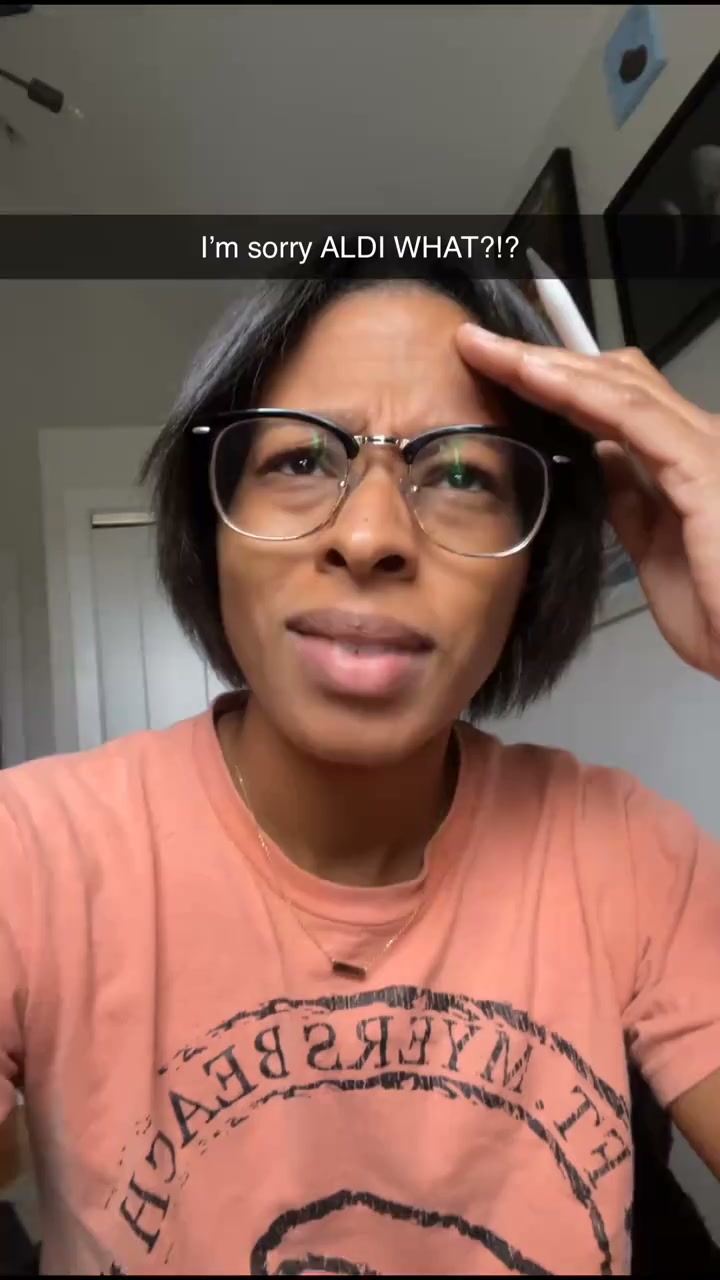 Budget meal planning app
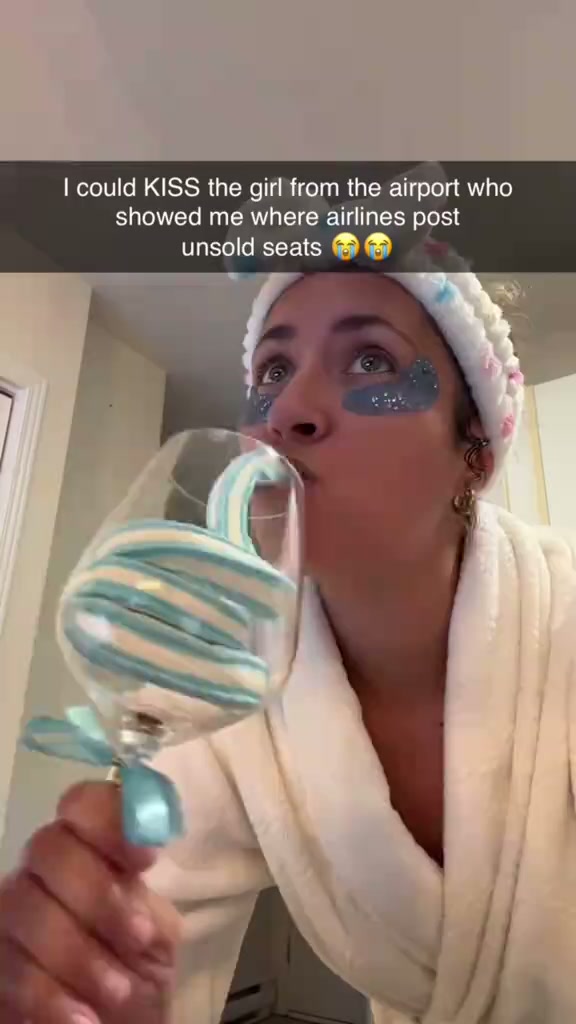 Flight deals app
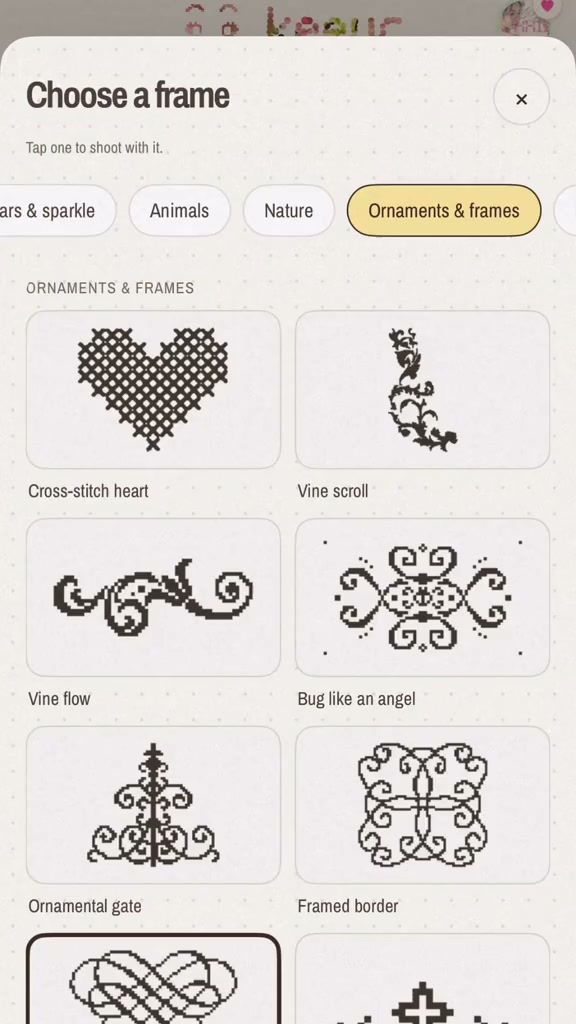 Photo editing app
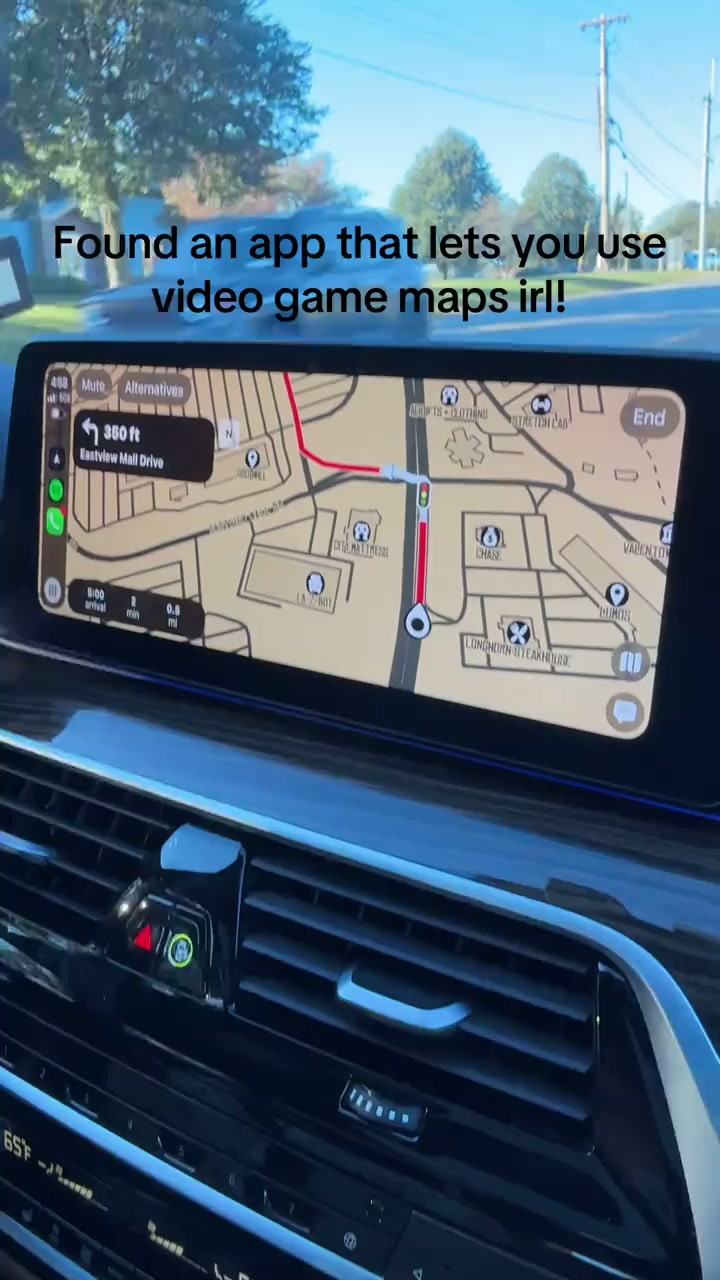 Custom GPS app
 Recipe app
 Anatomy study app
 Note-taking app
 Travel translation appGrocery and recipe appAI appGroup travel appPhone tracking appBudget meal planning appFlight deals appPhoto editing appCustom GPS appRecipe appAnatomy study appNote-taking appTravel translation app
Why launch UGC is its own job
A launch is not a normal month of UGC. There is no history to lean on, the window is short, and most of the work happens before the app is live. That changes what you need from an agency:
You start from zero
New app, new accounts, no reviews, no ratings. The first videos have to earn attention with nothing behind them, so the hook does all the work.
Views can come before the download
You can post before the app is in the store. Those views build an audience and a waitlist, so launch day starts with people who already know the app.
Launch week is short
The first days bring your first reviews and ratings, and that is when people are most curious. A program that starts posting two weeks late misses it.
Hooks need testing before they matter
You do not know which angle sells your app until you post it. Test angles, then hooks, then creators in the pre-launch weeks, so launch week runs on the winners.
The app launch timeline, week by week
Count back from your launch date. Here is what each stage is for, whoever runs it.
4 to 8 weeks out: angles and hooks
Pick the angles your app can win on and look at the hooks already working in your category. Moburst says to start pre-launch marketing 1 to 2 months before launch, and this is where that time goes. Book creators now, because sourcing them takes time.
2 to 4 weeks out: accounts live, creators posting
Fresh brand-owned accounts go up and creators start posting daily. Moburst's guidance is to start pre-launch marketing 1 to 2 months before launch. The goal is a tested set of hooks and a warm audience, with a waitlist, pre-order or pre-registration link if you have one.
Launch week: volume on the winners
Post the hooks that worked, in every market you launch in, and point every video at the store page. Email or push your waitlist on launch day. If you run paid, this is when proven creatives move into ads.
First 30 days: cut, test, report
Kill what stalls, make more of what converts, and keep testing new hooks as the first ones wear out. Judge it on installs first, then on whether those users come back. You should see results every week, not at the end of the month.
How to choose a UGC agency for your app launch
Start with the dates. Ask when creators can start posting and count back from your launch: if the answer is three weeks and you launch in two, that agency is out. Then check the proof. Is there a launch case with a number, or only results from apps that already had users? Then check the budget: published prices on this list run from $12,000 to $50K+ a month, as of November 2026, and three agencies quote on a call. Last, decide if you want organic only or paid behind it.
What to look for in a launch UGC partner
- A launch case with a real number, not only results from apps that already had users.
- A timeline to first post that fits your launch date, in writing.
- Native creators for each market you launch in.
- Fresh accounts posting daily, so you have volume before launch week.
- Judged on installs and what those users do next, not on views alone.
- Results you can see from the first post, not a deck at the end of the month.
The app launch UGC agencies, compared
Model, entry price, launch proof and time to first post. Scroll the table sideways on mobile, or read the honest cards below it.
| Agency | Best for | Model | Entry price | Launch proof | Time to first post |
|---|---|---|---|---|---|
 Agniverse Media | Apps that want organic views and installs from before launch day | MonthlyDone-for-you organic UGC program | From $12,000 a month, creator sourcing included, as of November 2026 | An AI video app got 4M organic views in its first week of posting, before anyone could download it | Set on the kickoff call, then one video a day per creator for 30 days |
 Plutus Media | Apps that want a chart push off one viral moment | Custom quoteDone-for-you creator engine | 30-minute strategy call (no published price) | Tea reached #1 in the US App Store within 60 days and held it for two weeks | Not published |
 Playkit | Funded apps that want a full-time person on the launch | MonthlyMonth-to-month, full-time UGC engineer | No published price; no refunds | Fig's CMO credits it with 14,000+ installs and a push to #12 on the App Store | Not published |
 House of Marketers | Launch-week creator bursts with paid amplification | Custom quoteTikTok influencer + paid | Free proposal (no published price) | A new mobile game, FINAL 5, launched with 50 TikTok UGC creators at a $1.21 CPI | Not published |
 Hard Launch | Funded apps that want a fast, high-volume start | MonthlyApplication-only creator program | From $30,000 a month after a 90-day commitment, as of November 2026 | 350,000 extra downloads in the first 4 weeks at a 7 cent CPI (client unnamed) | Live within 2.5 weeks of onboarding |
 Vo Creations | Big-budget launches that want reach at a known cost | MonthlyCreator campaigns, target CPM guaranteed | From $50K+ a month, 90-day minimum, as of November 2026 | An AI video generation app got 72M+ views in 35 days | First posts live in 10 to 14 days |
 Handler | Pre-launch hook research before creators start | SoftwareAI UGC software, 7-day free trial | 7-day free trial, then Starter $39/mo, as of November 2026 | A tool, not an agency: it finds the hooks before you spend | You post it yourself |
The shortlist
Four to start with, each fitting a different launch: Agniverse Media at the top, then a chart push, a funded launch and a launch-week burst with paid.
Agniverse Media
MonthlyBest for: Apps that want organic views and installs from before launch day
An operator-run UGC agency for consumer apps, built for the launch window. Native creators for each market you launch in post from fresh brand-owned accounts: one video a day per creator for 30 days, cross-posted to three channels. So the views can start before the store page does. An AI video app it ran got 4M organic views in its first week of posting, before anyone could download it. The work is optimized for conversions first, then retention, and you watch it on a live dashboard on a private link from the first post, plus a Monday Slack report. Founder An Nayal took his own app, Flamme, to 50M+ organic views and 200K users with zero paid spend, and Flamme was acquired by Arya. GoCoCo, a diabetes food scanner app, got 1.3M organic views in its program's first month. Programs start at $12,000 a month, as of November 2026, creator sourcing included.
Plutus Media
Custom quoteBest for: Apps that want a chart push off one viral moment
A done-for-you creator engine for consumer apps, founded by Alex and Mo, which reports 400+ consumer apps scaled. Its Tea case page says: "Within 60 days, Tea reached #1 in the US App Store, overtaking ChatGPT and Threads, and held the top position for two consecutive weeks." There is no published price; the way in is a 30-minute strategy call. Best if you are aiming for a chart push off one viral moment.
Heads-upNo published price, so you will not know the budget until the call.
Playkit
MonthlyBest for: Funded apps that want a full-time person on the launch
A premium, month-to-month program that puts a dedicated full-time "UGC engineer" on each campaign. Its roster shows Quizlet, Flo Health, Cash App and Substack. The launch proof is a testimonial from Fig's CMO, crediting it with "14,000+ installs and pushing us to #12 on the App Store." Best for funded apps that want one senior person on the account full time.
Heads-upNo published price and no refunds: get the scope in writing before you start.
House of Marketers
Custom quoteBest for: Launch-week creator bursts with paid amplification
A London TikTok influencer and paid agency with app proof. Its iFun Games case study covers the launch of a new mobile game, FINAL 5, with 50 TikTok UGC creators at a CPI of $1.21. Pricing is by proposal ("Get a free proposal"). Best for a launch-week creator burst with paid amplification behind it.
Heads-upNot the fit if you want organic-only: paid is part of how it works.
The wider field
Two big-budget programs with published prices and timelines, and our own tool for hook research before creators start, with the caveats where they matter.
Hard Launch
MonthlyBest for: Funded apps that want a fast, high-volume start
An application-only creator program for apps, built by the founders who took Jenni AI to $1M MRR. Partnerships start at $30,000 a month, as of November 2026, after a 90-day commitment. It reports 2.5B+ views shipped in six months, says campaigns go "live within 2.5 weeks of onboarding", and cites "350,000 extra downloads in the first 4 weeks at a 7 cent CPI" for a client it does not name. Best for funded apps that want a fast, high-volume start.
Heads-upClient identities are confidential, so you will not get named references.
Vo Creations
MonthlyBest for: Big-budget launches that want reach at a known cost
Creator campaigns with a promise few shops put in writing: "We guarantee your target CPM." Campaigns start at $50K+ a month, as of November 2026, with a 90-day minimum, and first posts go live in 10 to 14 days. Its proof for apps: an AI video generation app got 72M+ views in 35 days. Best for big-budget launches that want reach at a known cost.
Heads-upNot the fit if your budget is under $50K a month.
Handler
SoftwareBest for: Pre-launch hook research before creators start
Our own AI UGC tool, for the weeks before creators start. Handler finds outlier TikToks in your niche, the videos that pulled far more views than their account usually gets, and DupeFarm reshoots them with an AI creator. Use it as pre-launch hook research: see which hooks already work in your category, test your own, then brief creators with the winners. 7-day free trial, then Starter $39/mo, Growth $69/mo and Pro $149/mo, as of November 2026.
The key launch terms, in plain English
- Waitlist
- A list of people who asked to hear when the app launches, usually an email signup linked from the videos. A warm audience for launch day, not a user count.
- Pre-order and pre-registration
- On the App Store it is a pre-order; on Google Play it is pre-registration. Either way, people sign up in the store before release and get the app on launch day.
- Hook
- The first one to three seconds of a video: the line or image that stops the scroll. On a launch, testing hooks before launch week is most of the work.
- Fresh brand-owned account
- A new TikTok, Instagram or YouTube account owned by your brand, not by the creator, so the audience it builds is yours.
- CPI (cost per install)
- What you pay, on average, for one install. Two of the launch cases on this list quote it.
- CPM (cost per thousand views)
- What you pay for every thousand views. Some creator campaigns are priced or guaranteed on it.
How this list is built
Agencies are grouped by the launch they fit, not stacked one to ten: a chart push, a funded launch with a full-time person on it, a launch-week burst with paid behind it, or a big-budget campaign at a known cost. Every fact, from model and price to launch proof and time to first post, was checked on each agency's own site, as of November 2026. We kept only launch proof an agency publishes itself and quote it in their words. Where a price or timeline is not published, the table says so. Results are each agency's own claims, ours included, and none of them proves that UGC alone moved a chart.
Frequently asked questions
How early should an app start TikTok before launch?
Do waitlist signups from UGC turn into users?
How fast can a UGC agency get creators posting?
Can UGC alone push an app into the App Store charts?
What does a UGC campaign for an app launch cost?
Related guides and tools
Launching an app and want views before launch day?
Agniverse Media is operator-run: native creators post daily from fresh brand-owned accounts, optimized for conversions first, then retention. Apply through the short charter.
By An Nayal at Agniverse Media, part of Agniverse - the growth universe for consumer apps. Facts checked against each agency's own site as of November 2026. Found something out of date? Tell us and we will fix it.